
Trenchless Sewer Repair in Myrtle Beach and the Grand Strand
Pipe lining and pipe bursting that renew a failing sewer line with little or no digging, where the pipe allows it.
- Camera inspection first
- Written, itemized quotes
- Licensed and insured
Trenchless sewer repair fixes or replaces a sewer line without digging a trench along it: pipe lining cures a new pipe inside the old one, and pipe bursting pulls new pipe through as it breaks the old one apart. Myrtle Beach Sewer Line Repair does both in Myrtle Beach, Conway and across Horry County, working from a cleanout or two small pits. A camera inspection comes first, because some lines cannot be fixed this way, and we tell you when yours is one of them.
Call (843) 429-6659 to find out whether your line is a trenchless candidate.
Call nowChoose your area
Who owns the line, which utility to call and which permits apply differ by town. Pick yours:
Is your sewer line a candidate for trenchless repair?
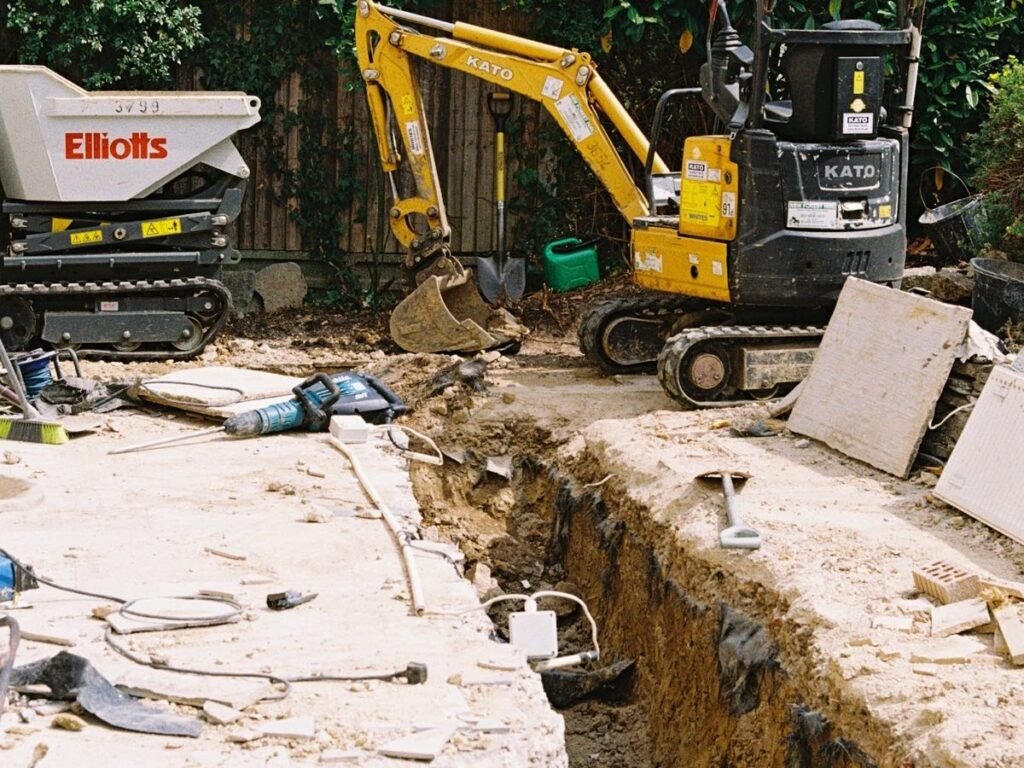
Often, if the pipe is cracked, leaking at the joints or full of roots but still continuous and at a steady slope. A collapse, a sag or a joint far out of line usually means digging up at least that section.
| Symptom | Likely cause | What we do |
|---|---|---|
| Roots return after every cleaning | Roots entering at clay or cast iron joints | Clean the line, then line it to seal the joints |
| Slow drains after rain, sand in the pipe | Groundwater seeping in at cracks and joints | Line it, or burst in new pipe if it is broken |
| Cracks and breaks along the run | Age, corrosion or settling | Burst in new HDPE pipe, or line it if it holds its shape |
| Rough, flaking cast iron | Corrosion and scale | Descale it, then line it if the walls are sound |
| Standing water in one stretch | A belly where the pipe sank | Dig and re-lay that stretch at the right slope |
| The camera stops at a crushed section | Collapse | Dig out the collapse, then line or burst the rest |
Pipe lining vs. pipe bursting
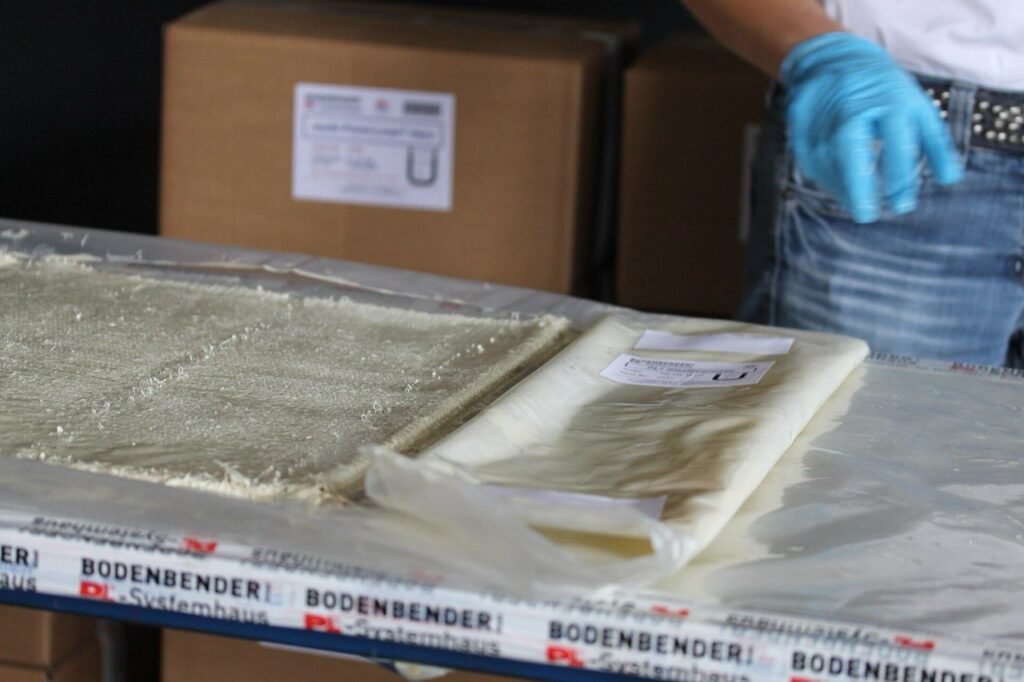
Lining renews pipe that still holds its shape by curing a resin liner inside it (cured-in-place pipe, or CIPP), usually from a cleanout. Bursting replaces pipe too broken to line by pulling new HDPE pipe through it from a pit at each end. South Carolina’s edition of the 2021 International Residential Code sets rules for both.
| Pipe lining (CIPP) | Pipe bursting | |
|---|---|---|
| Result | Jointless new pipe inside the old one | New seamless HDPE pipe |
| Suits | Cracks, roots and leaky joints in pipe that holds its shape | Broken pipe the bursting head can pass |
| Access | Usually a cleanout | A launch pit and a receiving pit |
| Size afterward | Same nominal size, a little smaller inside | Same nominal size, as the code requires |
| Size limit in SC’s code | Gravity lines 4 inches and up | Gravity lines 6 inches and under |
| Fixes sags | No | No |
| Branch connections | Reopened from inside with a cutter | Reconnected at a dug opening |
Pipe lining starts with cleaning; the code requires the old pipe to be descaled, cleaned and filmed first. The cured liner seals the joints roots grow through. See sewer pipe lining, and our guide to tree roots in sewer line for why cutting alone does not last.
Pipe bursting is trenchless sewer line replacement, and the code calls for new HDPE pipe meeting ASTM F714, the same nominal size as the old line. See pipe bursting.
When will trenchless sewer repair not work?
Trenchless will not work through a section the camera cannot pass, and it will not fix a sag or a wrong slope. Joints far out of line, some deformed materials and lines that need rerouting usually need digging too, at least for the bad section.
- Collapse. A liner needs a continuous host pipe, and a bursting head needs a path.
- Bellies and backslope. South Carolina’s code bars relining where the video shows defects such as backslope, too little slope, walls deteriorated through or complete separations; those sections are dug up and repaired with new pipe.
- Severe offsets can stop a liner from seating or a bursting head from passing.
- Some materials. Flattened Orangeburg usually cannot be lined, since a liner takes the shape around it, and neither can cast iron rusted through.
- Crowded routes. Bursting pushes old pipe outward, so a line close to another utility or a foundation may need another method.
Then the fix is a spot repair (sewer line repair in Myrtle Beach) or open-trench sewer line replacement of the bad section, sometimes with lining for the rest.
Camera first: how a trenchless job is sized
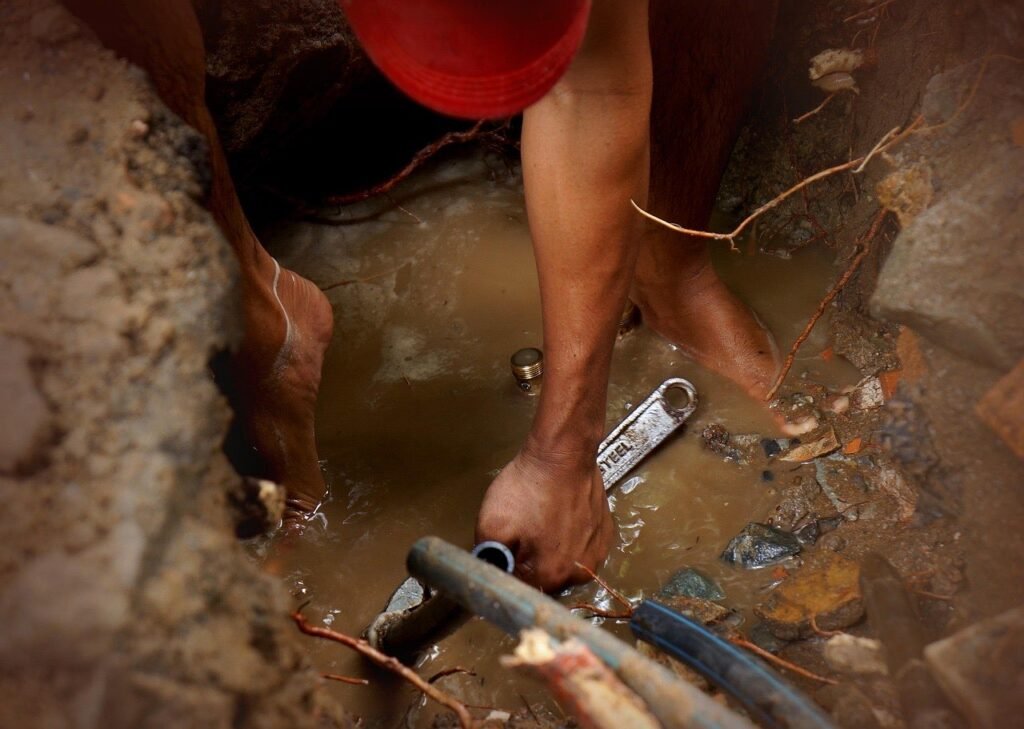
The camera shows the pipe’s diameter and material, the length between access points, bends, branch connections, sags, offsets and water running in at joints. Its transmitter lets us mark the route and depth on the ground, since SC811 does not mark private lines.
South Carolina’s code requires a recorded video of the old pipe before either method and of the finished pipe afterward. The building official must review the pre-lining video before issuing a relining permit, and approves the post-bursting video before the pressure test. You keep copies. Start with a sewer camera inspection.
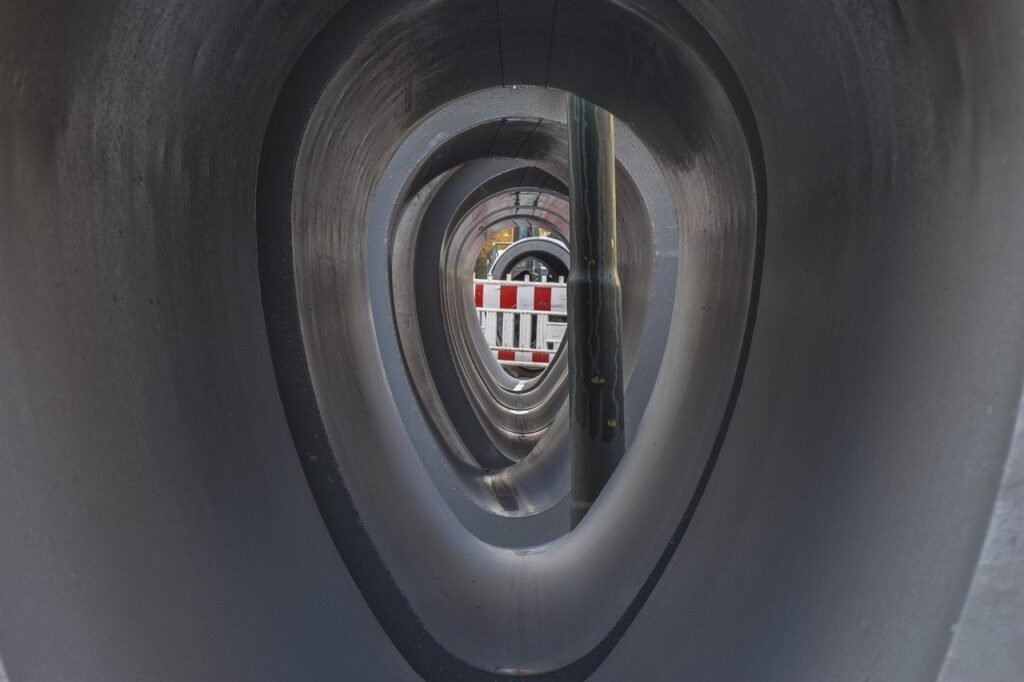
Access pits and cleanouts
Lining usually goes in through an existing cleanout; bursting needs a pit at each end, commonly near the house and near the property line. On bursting jobs, South Carolina’s code requires cleanout fittings wherever the old sewer lacked the ones it calls for, including one within 10 feet of where the building drain meets the building sewer.
In GSWSA areas, cleanouts also belong at the property line and 5 feet from the building. A cleanout set in an open pit usually adds little to the job.
What do groundwater and sand mean for trenchless repair?
High groundwater and loose sand mostly favor trenchless, because less wet ground gets opened. They still matter: water running into the pipe has to be controlled before a liner cures, and bursting pits in wet sand need pumping and bracing like any dig.
NRCS soil data put the water table within 2 feet of the surface on about 79.5% of Horry County’s mapped acreage for part of the year, and GSWSA sets new laterals 36 inches to 4 feet deep.
- Lining. Resin generally needs a pipe without water flowing in while it cures, so active leaks are typically held back first, often with a pre-liner. Once cured, the liner seals out water and sand.
- Bursting. Wet sand can slump into a pit, so pits are commonly pumped dry and braced; GSWSA’s standards for sewer installations require trenches to be kept free of water while pipe is laid. The new HDPE pipe is usually fused into one length, with no joints for groundwater to find.
- Muck found in a pit is replaced with crushed stone, as GSWSA’s standards require in trenches.
Do you need a permit for trenchless sewer repair?
Generally yes. South Carolina’s 2021 residential code treats replacing concealed sewer pipe, which is what bursting does, as new work that needs a permit and an inspection, and it sets out relining as a permitted process in which the building official checks the video first.
The permit comes from Horry County outside city limits, the city or town inside them, or Georgetown County in Murrells Inlet. Work over $500 needs a state-licensed plumber, though owner-occupants may do their own. We pull the permit and request SC811 locates first.
One more check in GSWSA areas: its standards call for Schedule 40 PVC on new laterals beyond the property line, while the code names HDPE for bursting, so we confirm which pipe GSWSA and the permit office will accept before quoting bursting.
How much does trenchless sewer repair cost?
Angi’s sewer line cost guide (updated August 3, 2026) puts trenchless repair at $60 to $250 per linear foot, including materials and labor, against $50 to $200 per foot for excavation. Those are national estimates; your total depends on length, depth, pits, connections and how much restoration trenchless saves.
The same guide lists CIPP lining at $90 to $250 per linear foot and pipe bursting at $60 to $200, while Angi’s trenchless guide (July 10, 2026) puts lining at $135 to $150, so even one publisher’s figures move.
On top of the per-foot price, cleaning or descaling, pits and the pumping they need, branch connections and the permit add their own lines. Our sewer line replacement cost guide has more detail, and your written quote prices digging alongside when it is a real option.
What happens when you call
- Utility first if sewage is backing up. GSWSA checks backups at no charge: (843) 234-8460, or (843) 443-8200 after hours. City and GCWSD customers call their utility.
- Camera inspection, with the route and depth marked.
- Written, itemized options: lining, bursting, a spot repair or digging.
- Permit and SC811 locates.
- Cleaning with a cable machine or hydro jetting; cast iron is descaled before lining.
- Lining or bursting. You stop using water during the work, and we tell you when drains are back.
- Final video and inspection, then pits are backfilled and restored as quoted.
Every job is done by licensed plumbers and covered by liability insurance.
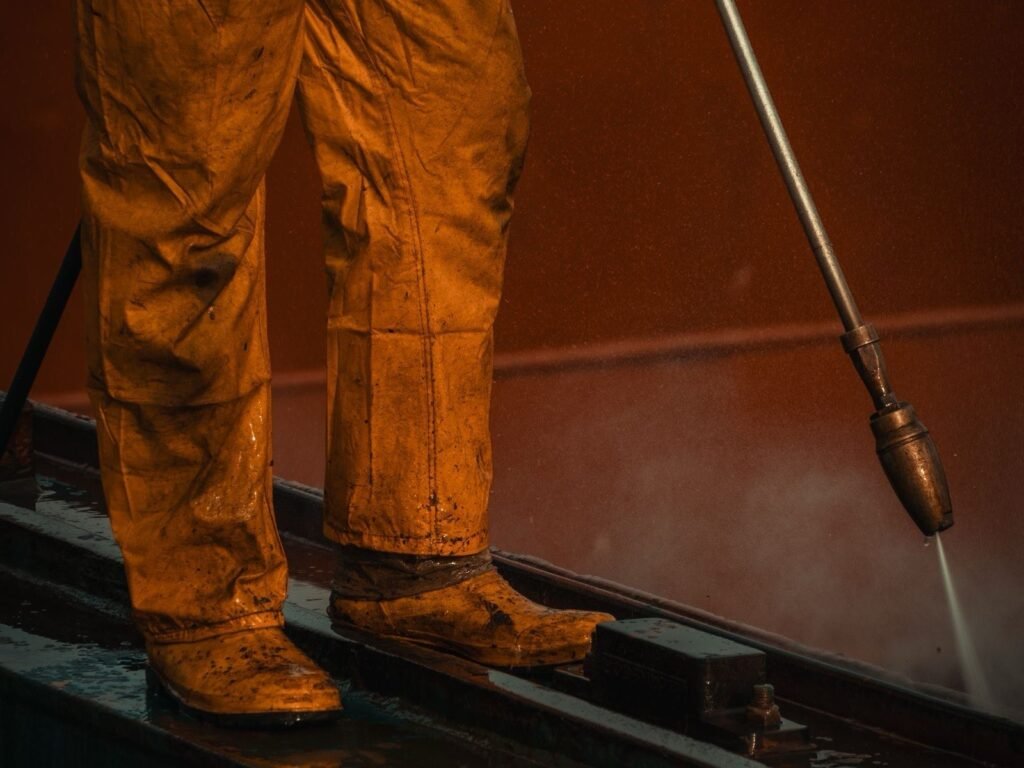
What a complete written quote includes
- Camera findings and video, with the distance to each defect
- The method and why it fits
- Length, diameter and depth, plus the liner type or pipe spec
- Number, location and depth of pits
- Branch connections reopened or reconnected
- Permit and inspection, including both videos
- SC811 locates, and locating of your private line
- Restoration of yard, driveway or sidewalk at each pit
- Cleanouts added
- Disposal of old pipe and soil
- Any utility fees
Trenchless sewer repair FAQ
Is trenchless sewer repair cheaper than digging?
Not always. Per foot it can cost as much or more, but it often costs less in total when a driveway, patio, trees or the street would otherwise be torn up and rebuilt.
Can lining or jetting fix a belly in my sewer line?
No. Jetting only clears what settles in the low spot, and a liner takes the old pipe’s shape, so a sag stays a sag. A belly usually needs that section dug up and re-bedded at the right slope.
What is trenchless sewer line replacement?
Usually pipe bursting: new HDPE pipe is pulled through the old line as a bursting head breaks it apart. Lining, by contrast, is a repair inside the old pipe.
How long does trenchless sewer repair take?
The lining or bursting itself is often done in a day on a typical house line, after cleaning. Permits and SC811 locates come first, and utilities have 3 full working days to mark their lines.
What will I see during a trenchless repair?
Typically a truck or trailer near the cleanout with hoses into the line, plus, for bursting, a pit near the house and one near the property line. Drains are off for part of the work, and you get the final video.
Can you line cast iron or Orangeburg pipe?
Cast iron, often, once it is descaled and if the walls are sound. Orangeburg that has flattened or blistered usually cannot be lined, so the camera decides between bursting and digging.
What lifespan are pipe liners rated for?
Angi’s trenchless guide (July 10, 2026) says sewer pipe liners are rated to last up to 50 years. Ask for the liner maker’s rating and the warranty terms in writing with your quote.
Related services
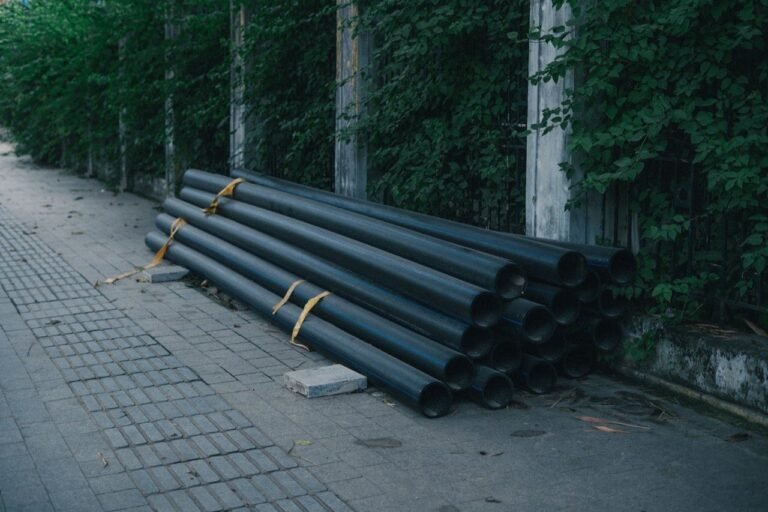
Pipe Bursting
A new seamless pipe pulled through the old one from two small pits.
Learn more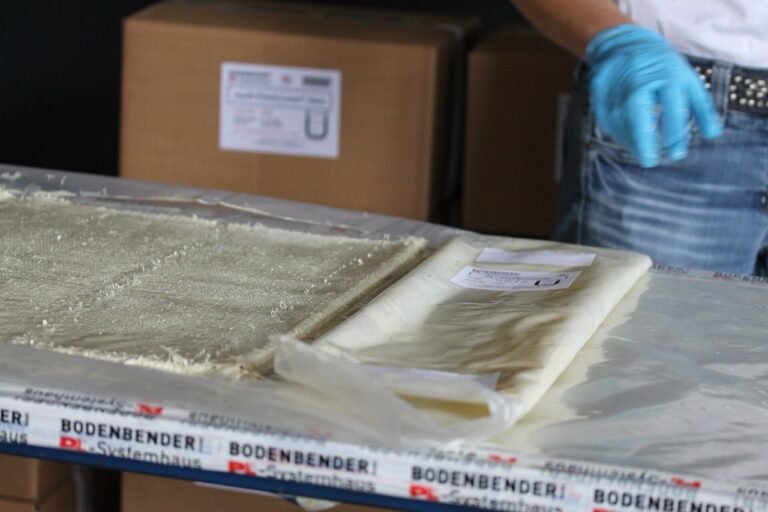
Sewer Pipe Lining
A new pipe cured inside the old one to seal cracks and joints.
Learn more
Sewer Line Replacement
Full or partial replacement, trenchless or excavated, with permits handled.
Learn morePhoto credits (Wikimedia Commons): Sewer Pipe Lining: Bdnbndr2020, CC BY-SA 4.0.
Sewer or water line trouble?
Call for a camera inspection and a written quote.
Call for trenchless sewer repair in Myrtle Beach, Conway or anywhere in Horry County.

Sewer and water line repair for Myrtle Beach, Conway and Horry County. Camera inspection first, written and itemized quotes, licensed plumbers.
Call (843) 429-6659