
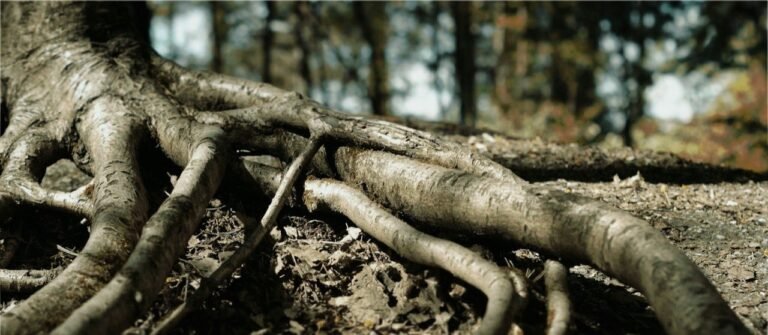
Tree Roots in Your Sewer Line: Signs and Fixes in Myrtle Beach
Tree roots in your sewer line? How roots get in, the warning signs, cutting vs jetting vs lining, and how to keep them out.
Tree roots get into a sewer line through joints and cracks that leak a little water, then grow into a mat that catches paper and grease until the line backs up. Cutting or hydro jetting clears them for a while, but they grow back through the same opening until it is sealed with a liner, a spot repair or new pipe. Myrtle Beach Sewer Line Repair clears roots and shows you on camera which fix your line needs, in Myrtle Beach, Conway and across Horry County.
Call (843) 429-6659 to have roots cleared and your sewer line checked with a camera.
Call nowHow do tree roots get into sewer lines?
Roots grow toward water and nutrients, and a sewer joint that seeps even a little offers both. Fine root hairs slip into a hairline crack or a gap at a joint, then thicken inside the pipe into a mat. Roots generally use an opening that is already there rather than breaking into sound pipe.
Common entry points:
- Clay pipe joints. Vitrified clay comes in short sections, so a line has many joints, and they can loosen with age and ground movement.
- Cast iron and Orangeburg. Cast iron can crack and its joints can separate, and Orangeburg fiber pipe, commonly installed from the 1940s to the early 1970s, tends to deform with age. Our guide to Orangeburg and cast iron sewer pipe covers both.
- Settled pipe. A line that sags or shifts in soft ground can open at the joints.
- Old repairs and transitions. The spot where new PVC meets old clay or cast iron, or a past repair joined with a rubber coupling, can let roots in. GSWSA’s standards for new service laterals call for Schedule 40 PVC beyond the property line and allow no rubber couplings.
Any tree or large shrub close to the line can do this. What matters is a leaking joint within reach of its roots.
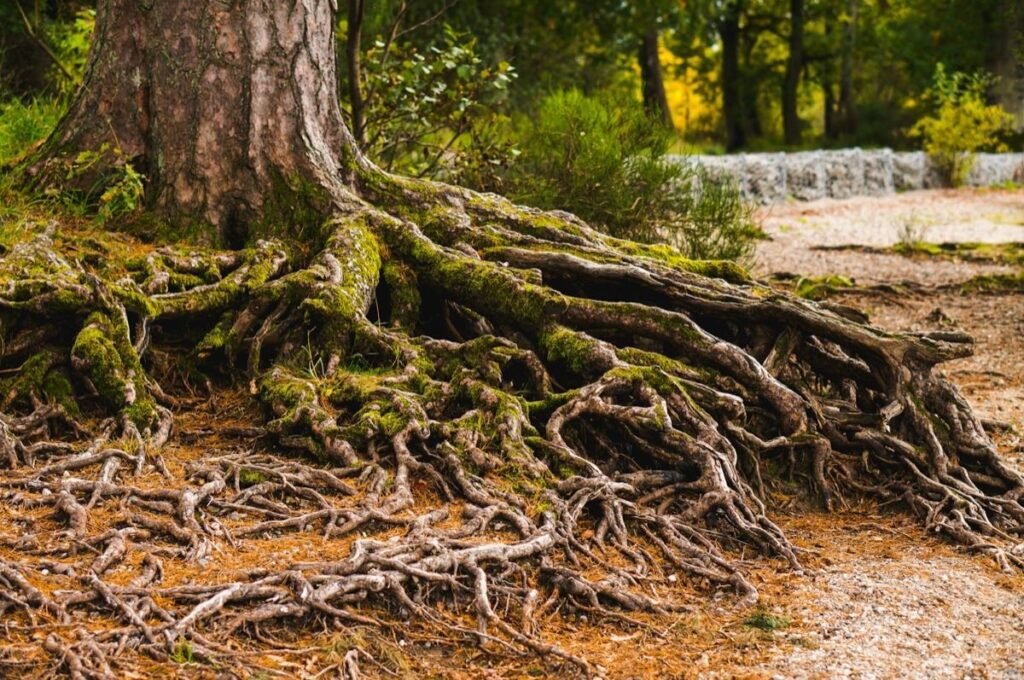
Signs of tree roots in your sewer line
Roots usually show up as a main line that slows down over weeks or months. Watch for:
- Several drains slowing at once, the lowest tub, shower or toilet first
- Toilets that gurgle when the washer or a tub drains
- Clogs that come back weeks or months after the line was cleared
- A drain cable that comes back wrapped in fine, hairlike roots
- Trees or large shrubs between the house and the street, near the line
Older homes are more likely to have joints roots can use. The U.S. Census Bureau (ACS 2020-2024) counts 56% of homes in Loris, 35% in Surfside Beach, 32% in Conway and 28% in Myrtle Beach as built before 1980, compared with about 1% in Carolina Forest. Lines that old are often clay, cast iron or Orangeburg unless they have been replaced.
A camera inspection confirms roots, shows how many joints are affected and reveals whether the pipe is cracked or broken.
What to do if you have tree roots in your sewer line
Ease off water use, rule out the utility’s line if sewage is backing up, and have the line cleared and filmed before you choose a repair. Hold off on chemicals while the line is blocked.
- Go easy on water while drains are slow, especially laundry and long showers.
- If sewage backs up, call your sewer utility first. In GSWSA areas that is (843) 234-8460, or (843) 443-8200 after hours. Our guide to a main sewer line clog covers the next steps.
- Do not pour root killer or drain openers into a backed-up line, and never mix products.
- Have the line cleared and filmed. Ask for the video and the location of each root-filled joint.
- Compare repairs in writing, with permits and yard restoration included.
Cutting vs. jetting vs. lining or replacement
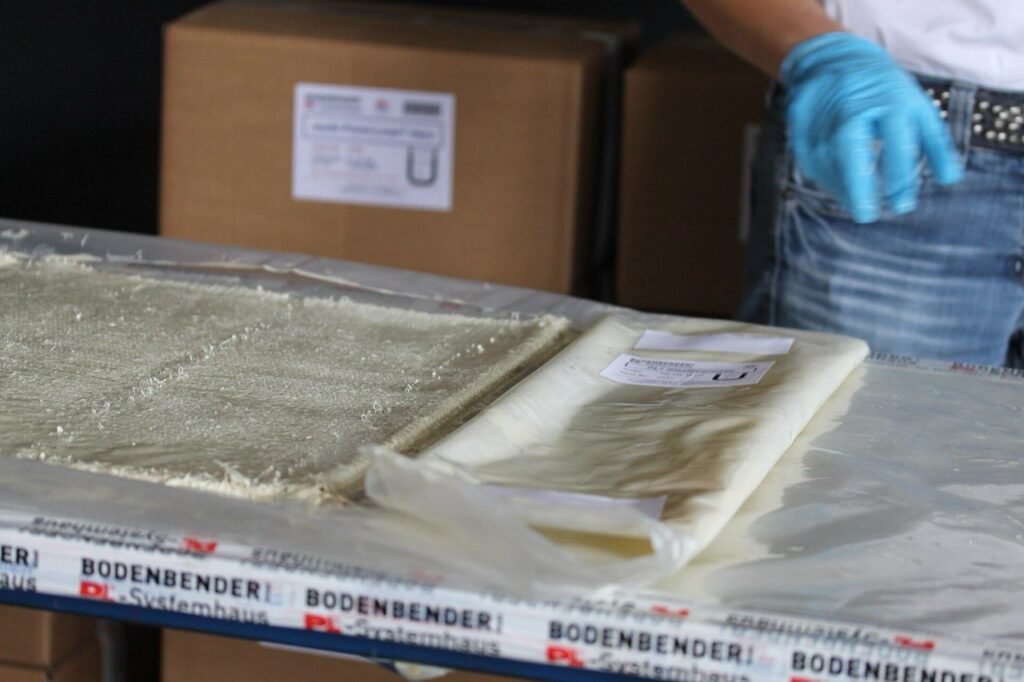
Cutting and jetting remove the roots that are in the pipe now; lining, a spot repair or replacement seals the openings so they cannot come back. The camera shows which repair fits.
| Option | What it does | How long it helps |
|---|---|---|
| Cable machine with a root-cutting head | Cuts a channel through the root mass | Until roots regrow through the same joints |
| Hydro jetting with a root-cutting nozzle | Shears roots off the whole pipe wall and flushes them out | Longer than cutting, but still temporary |
| Foaming root killer or copper sulfate | Kills the roots it touches and slows regrowth | Temporary; labels typically call for repeat treatments |
| CIPP lining or a point liner | Seals cracks and joints inside the old pipe | Permanent for the lined section |
| Spot repair | Replaces one bad joint or section with new pipe | Permanent for that section |
| Replacement or pipe bursting | New pipe for the whole run | Permanent |
Cutting and jetting
A cable machine is the usual first step when roots have backed up the line. It reopens the pipe quickly but leaves root stubs on the walls. Hydro jetting cleans the full width of the pipe and is the standard preparation before lining. We run a camera before jetting, because high pressure can make broken or fiber pipe worse. More about sewer line cleaning.
Root killers
Foaming root killers and copper sulfate crystals sold for sewer lines kill the roots they reach, but neither seals a joint, so roots return. Follow the label exactly, ask your sewer utility first whether it restricts root control products, and never combine them with drain openers or other chemicals.
Lining, spot repair or replacement
- Lining (CIPP). A resin-soaked liner is pulled into the old pipe and cured in place, sealing joints and cracks with little or no digging. It suits pipe that still holds its shape, and under a tree you want to keep it avoids digging through the root zone. See how sewer pipe lining works.
- Spot repair. One excavation replaces a single bad joint or section when the rest of the line is sound.
- Replacement or pipe bursting. For collapsed pipe, a belly or roots along the whole run, the line is replaced by open trench or by bursting the old pipe and pulling new HDPE pipe through it.
Under the 2021 residential code South Carolina uses, replacing concealed pipe is new work that needs a permit and inspection, while clearing a stoppage does not. We pull the permit, schedule the inspection, request SC811 locates for public utilities and trace your private line with the camera’s locator, since SC811 does not mark it.
Is root damage my responsibility or the utility’s?
On your side of the property line, usually yours. In GSWSA areas, the owner’s pipe generally runs from the house to a connection at the property line, where GSWSA’s lateral begins, so roots on that stretch are the owner’s to fix. Roots in GSWSA’s lateral, between the property line and the main, are generally GSWSA’s to fix.
In Murrells Inlet, GCWSD says owners are responsible for the sewer line from the home to the property line, and it names tree roots among the causes of clogged service lines.
GSWSA’s optional Service Line Maintenance program covers enrolled customers’ sewer lines from the right-of-way to the outside of the building, and its terms let GSWSA cut or remove vegetation whose roots directly affect those lines. It costs $2.85 a month for water and sewer; if the charge is not on your bill, you are not enrolled. In Myrtle Beach, North Myrtle Beach, Conway and Loris, ask the city where its responsibility ends.
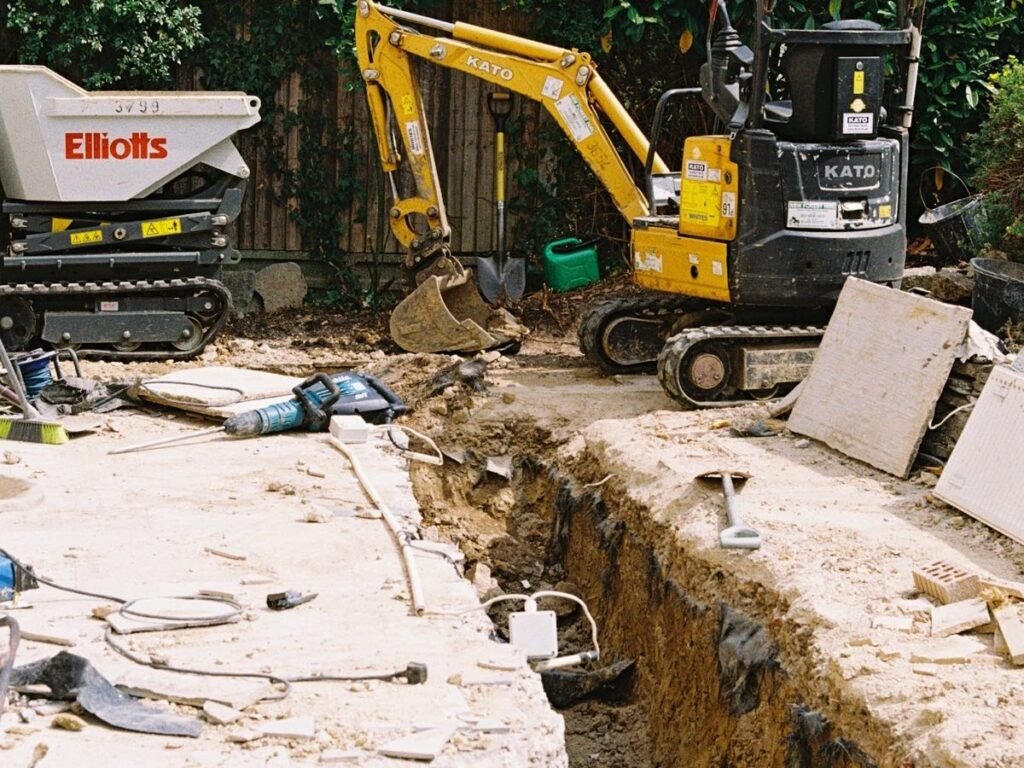
How to keep roots out of your sewer line
- Know where the line runs before you plant. Our camera locator can mark its route and depth. Call 811 before digging; it marks public utility lines, not your private sewer line.
- Give new trees room. Plant trees and large shrubs well away from the line, and ask a local nursery or arborist which species suit the spot.
- Clean on a schedule if you are not ready to repair. A line with known roots may need regular cutting or jetting, and the camera shows how fast they return.
- Seal the joints. Lining or replacing the damaged section is the only way to stop regrowth for good.
When to call a plumber
- The main line backs up, or keeps slowing down again after clearing.
- A cable or plunger brings up roots.
- You plan to plant, build a patio or pour a driveway over the line.
- You are buying a home with large trees near the sewer line.
Every job is done by licensed plumbers covered by liability insurance. For repair options and how we work, see sewer line repair in Myrtle Beach.
Tree roots in sewer line FAQ
How do I know if tree roots are in my sewer line?
Repeat clogs, several slow drains at once and gurgling toilets are the usual signs, and a cable that comes back with fine roots confirms it. A camera inspection shows how many joints are affected.
Will roots grow back after they are cut out?
Yes. Cutting and jetting remove the roots inside the pipe, but they regrow through the same joint or crack. Sealing the opening with a liner, a spot repair or new pipe stops them.
Can tree roots break a sewer pipe?
Roots generally enter through an existing crack or open joint, then widen it as they grow. Over time that can turn a seeping joint into a broken or collapsed section.
Will GSWSA pay for root damage to my sewer line?
If the roots are in GSWSA’s lateral between the main and the property line, that part is generally GSWSA’s to fix. On your side, its optional Service Line Maintenance program covers enrolled customers’ lines from the right-of-way to the building; otherwise roots there are generally yours.
Can roots get into PVC sewer pipe?
Much less often than clay or cast iron, because PVC has fewer joints and they are glued or gasketed. Roots can still enter through a crack, a failed joint or the transition to older pipe.
Keep reading
Related guides

Sewer Cleanout Cap: How to Find Your Sewer Cleanout in Myrtle Beach
Sewer cleanout cap: where to find it on a Grand Strand home, what it looks like, how to open it safely and when to add one.
Read guide
Main Sewer Line Clog in Myrtle Beach: Signs, Safe Fixes and Who to Call
Main sewer line clog? How to tell it from one slow drain, what to try safely, snaking vs hydro jetting, and who to call first.
Read guide
Backwater Valve Installation in Myrtle Beach: Do You Need One?
What a backwater valve does, when South Carolina’s code requires one, slab vs elevated homes, installation and upkeep.
Read guideSewer or water line trouble?
Call for a camera inspection and a written quote.
Call to clear roots from your sewer line and find the lasting fix.

Sewer and water line repair for Myrtle Beach, Conway and Horry County. Camera inspection first, written and itemized quotes, licensed plumbers.
Call (843) 429-6659