
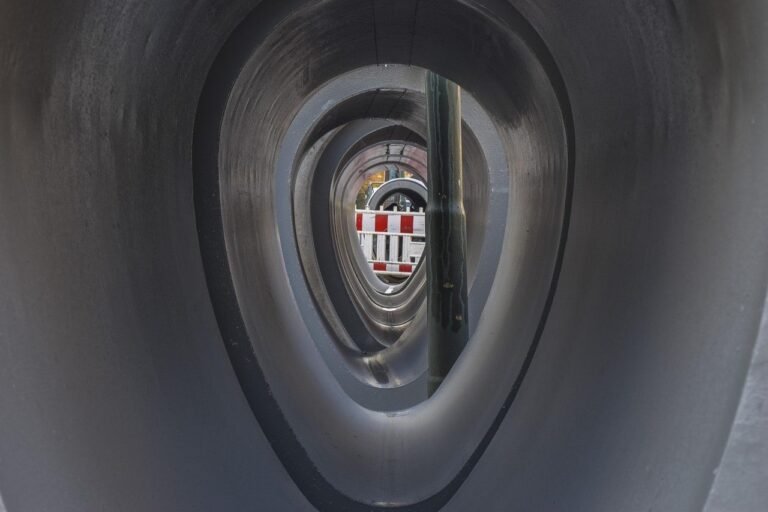
Sewer Camera Inspection in Myrtle Beach and Conway
See exactly what is wrong, where it is and how deep, before anyone quotes a repair.
- Camera inspection first
- Written, itemized quotes
- Licensed and insured
A sewer inspection runs a waterproof camera through the pipe between your house and the sewer main, so you can see roots, cracks, sags, sand or a collapse before anyone quotes a repair. Myrtle Beach Sewer Line Repair does sewer camera inspections in Myrtle Beach, Conway and across Horry County: we record the whole run, mark each problem on the ground, and you keep the video and a written summary. It is the first step before any repair we quote.
Call (843) 429-6659 to book a sewer camera inspection or a pre-purchase sewer scope.
Call nowChoose your area
Who owns the line, which utility to call and which permits apply differ by town. Pick yours:
Signs you need a sewer camera inspection
| Symptom | Likely cause | What we do |
|---|---|---|
| A clog returns weeks after the line was cleared | Roots at a joint, an offset joint catching paper, or a sag holding sand | Clear the line, then find and measure the defect before quoting a fix |
| Several drains slow or gurgling at once | A partial blockage in the building sewer or lateral | Inspect from the nearest cleanout toward the main |
| Sewer smell inside or in the yard | A cracked pipe, separated joint, broken cleanout cap or dry trap | Camera the line and check every cleanout cap |
| Drains slow after heavy rain | Groundwater or runoff getting in through cracks and joints | Look for water running in at joints and sand settling downstream |
| A soggy or sunken strip of lawn over the line | A broken pipe washing out the sand around it | Locate the break with the camera’s transmitter and mark its depth |
| You are buying a home or condo | Unknown pipe material and condition | A sewer scope inspection with video you can share |
For a smell with no obvious cause, start with our guide to sewer smell in the house.
What does a sewer camera inspection show?
A sewer camera inspection shows the inside of the line foot by foot: the pipe material, roots, cracks and bad joints, low spots where water stands, and places where sand or groundwater gets in. Each defect is recorded with its distance from the access point, so a repair can be aimed at the right spot.
- Roots at joints and cracks, from fine hairs to a mass that fills the pipe. The Georgetown County Water and Sewer District (GCWSD) names tree roots as one cause of clogged service lines.
- Offset joints, where one section has shifted and left a lip that catches paper.
- Bellies (sags), where water stands and solids settle. GSWSA’s standards plan for soft ground: muck or quicksand found in a sewer trench must be replaced with gravel or crushed stone.
- Cracks and holes, including cast iron corroded from the inside or out. NRCS rates about 68.8% of Horry County’s soil acreage at high corrosion risk for uncoated steel.
- Collapse, a crushed or flattened section the camera cannot pass. Orangeburg fiber pipe, commonly installed from the 1940s to the early 1970s, often deforms first; see Orangeburg pipe and cast iron sewer pipe.
- Sand and silt washed in through cracks or open joints. It settles in bellies and can build up until the line clogs.
- Groundwater infiltration at joints. NRCS puts the water table within 2 feet of the surface for part of the year on about 79.5% of Horry County’s mapped acreage, so many sewer lines sit in wet ground at times. GSWSA caps infiltration on new public sewer at 200 gallons per mile, per inch of diameter, per day.
- The pipe material: vitrified clay, cast iron, Orangeburg, ABS or PVC, which decides which repairs will work.
How we locate the line and mark its depth
A transmitter in the camera head sends a signal our receiver picks up above ground, so we can trace the line and mark each problem spot and its approximate depth with paint or flags.
SC811 says utility companies “only mark the lines they install and maintain,” and private lines are not marked. We request SC811 locates for the public utilities before any digging, and find your private line with the camera’s locator.
GSWSA’s standards set new laterals 36 inches to 4 feet below finished grade, but older lines, fill and regrading change that, so we measure instead of assuming. Accurate marks let a repair be one small pit instead of a trench.
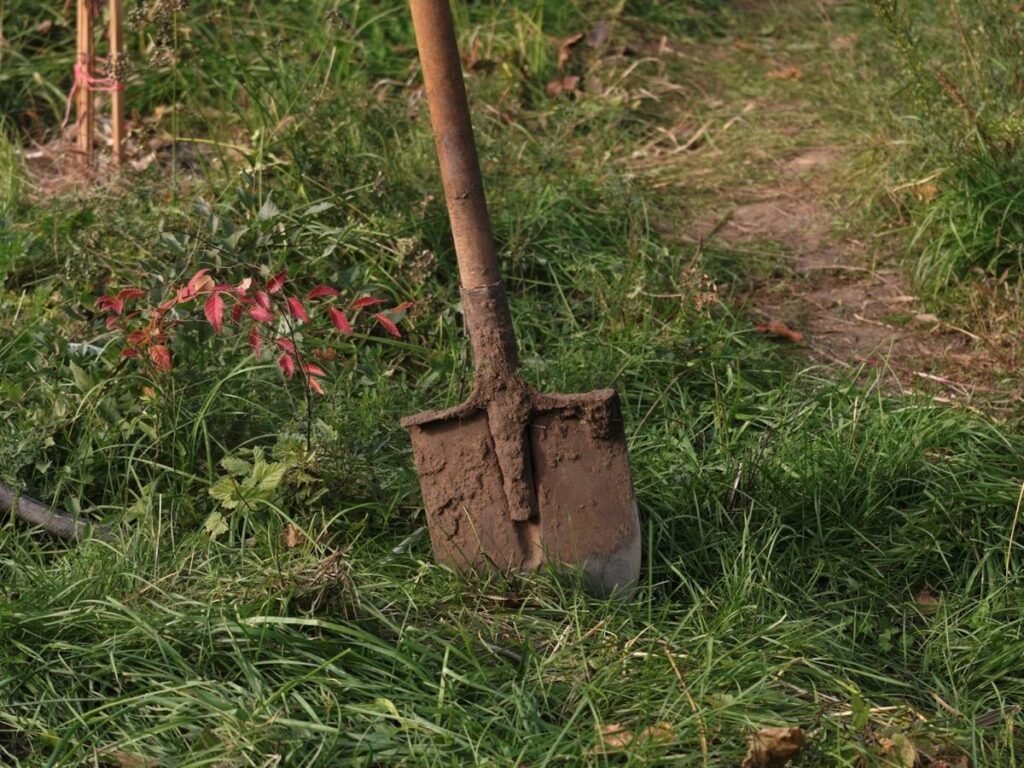
Where the camera goes in: sewer cleanouts
We feed the camera through a cleanout, a capped pipe that opens into the sewer line. Many homes have one near the house, and many GSWSA lots have one at the property line; without one, we can usually go in through a toilet opening.
- GSWSA’s Sewer System Standards (July 2026) call for cleanouts at the property line next to the main, 5 feet from the building, at bends over 45 degrees and at least every 75 feet on straight runs.
- South Carolina’s edition of the 2021 International Residential Code requires one where the building drain meets the building sewer or within 10 feet of that junction, at changes of direction over 45 degrees, and at least every 100 feet on building sewers under 8 inches.
- In Murrells Inlet, GCWSD’s standard detail shows a 6-inch cleanout in the road right-of-way and a 4-inch cleanout at least 5 feet from the house.
In most GSWSA areas the property-line cleanout sits about where your pipe meets the utility’s lateral, so the video can show which side a problem is on. Older homes may predate these rules; if yours has no usable access, sewer cleanout installation makes every later cleaning and inspection easier.
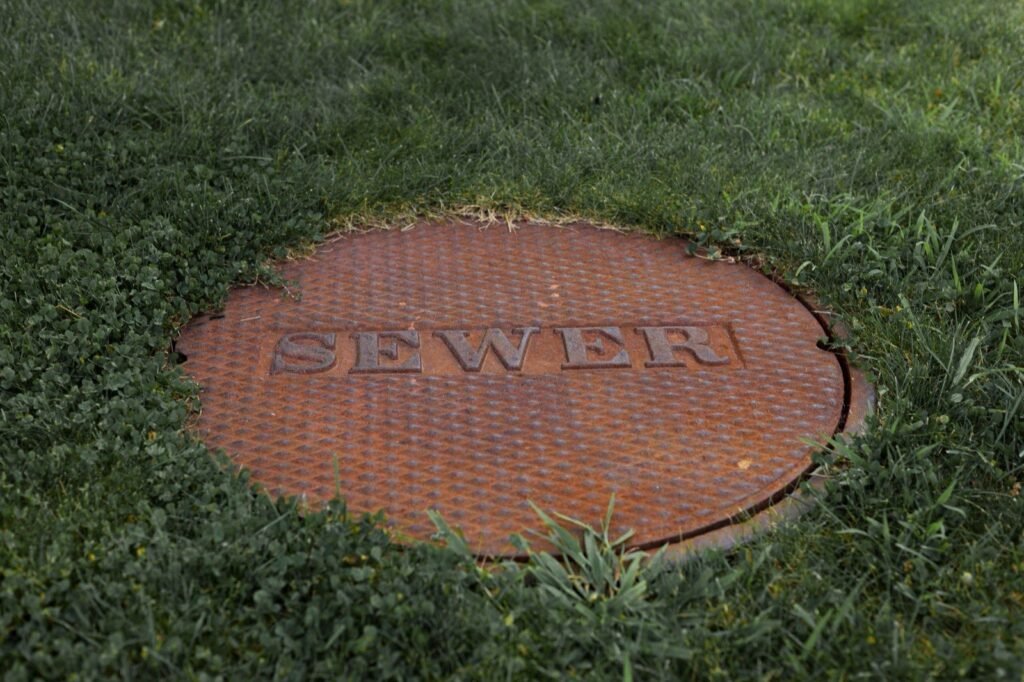
What happens during a sewer inspection
- Tell us what is happening, when the house was built and whose name is on the water bill (GSWSA, a city or GCWSD).
- Find the access point: a cleanout, or a toilet if there is none.
- Clear the line if needed. The camera cannot see through standing water, so a cable machine or hydro jetting may come first, priced before we start.
- Run and record toward the main, with a distance counter on screen.
- Locate and mark the route and each defect on the ground.
- Walk through the video with you and explain which repairs would fit.
Angi’s July 2026 camera inspection cost guide lists national prices by line length: $175 to $250 under 50 feet, $250 to $400 for 50 to 100 feet and $400 to $800 over 100 feet.
Every job is done by licensed plumbers and covered by liability insurance.
What you receive after a sewer camera inspection
- The full video, to keep and share with a seller, buyer, landlord or insurer.
- A written summary listing each defect, its distance from the access point and, where we marked it, its depth.
- The pipe material along the run and where it changes, such as clay or cast iron joined to PVC.
- Locate marks on the ground at each problem spot.
- Repair options, from sewer line cleaning to trenchless sewer repair or sewer line replacement, and a written quote if you ask for one.
When to get a sewer inspection
- You are buying a home or condo. A standard home inspection usually skips the sewer line; see our guide to a sewer scope before buying a home.
- The house is older. About 56.1% of homes in Loris, 35.4% in Surfside Beach and 32.3% in Conway were built before 1980, against 1.1% in Carolina Forest (U.S. Census Bureau, ACS 2020-2024). That is old enough for clay, cast iron or Orangeburg lines.
- After a hurricane, flood or surge. Hurricane Ian left upwards of three feet of sand on South Waccamaw Drive in Garden City in 2022 (NWS Wilmington).
- After the line is cleared, to confirm it is open and see the pipe under the roots or grease.
- Before concrete goes over the line, such as a driveway, patio or addition.
From video to repair: what a complete written quote includes
A complete written quote should list:
- Camera findings, with the video and the distance to each defect
- The method (spot repair, lining, pipe bursting or open trench) and why it fits
- Length and depth, and the pipe spec, such as the Schedule 40 PVC GSWSA requires for new laterals beyond the property line
- Permit and inspection, since South Carolina’s code treats replacing concealed pipe as new work
- SC811 locates for public utilities and locating of your private line
- Restoration of yard, driveway or sidewalk
- Cleanouts added
- Disposal of old pipe and debris
- Any utility fees
Price ranges are in our sewer line replacement cost guide.
Sewer inspection FAQ
How long does a sewer camera inspection take?
With a usable cleanout, the camera work on a typical house often takes about an hour. Clearing the line first or going in through a toilet adds time.
Do you have to dig to inspect a sewer line?
No. The camera goes in through a cleanout or a toilet opening. Digging only comes up if a repair is needed, and the locate marks keep it to one spot.
Does SC811 mark my sewer line?
Not the private part. SC811 says utilities “only mark the lines they install and maintain,” so the pipe from your house toward the street is not marked. We find it with the camera’s transmitter.
Can the video show whether the problem is mine or the utility’s?
Often. In most GSWSA areas the owner’s pipe ends at a property-line cleanout, and the video records each defect’s distance from it. If a problem is on the utility’s side, we tell you so you can report it; city utilities set their own boundaries.
Should I get a sewer inspection after a hurricane or flood?
Yes, if drains have slowed, the yard flooded or a surge carried sand onto the lot. The camera shows whether sand or a shifted joint is in the line before it causes a backup.
What does a sewer camera inspection cost?
Angi’s July 2026 camera inspection cost guide puts a 50 to 100 foot line at $250 to $400 nationally. Our price depends on access, length and any clearing needed first, and we quote it before we start; our sewer line replacement cost guide covers typical repair prices.
Is a camera inspection worth it before buying a house?
If you can, yes. A standard home inspection usually leaves out the sewer line, and the video gives you something specific to negotiate with. See our sewer scope inspection page for buyers.
Related services
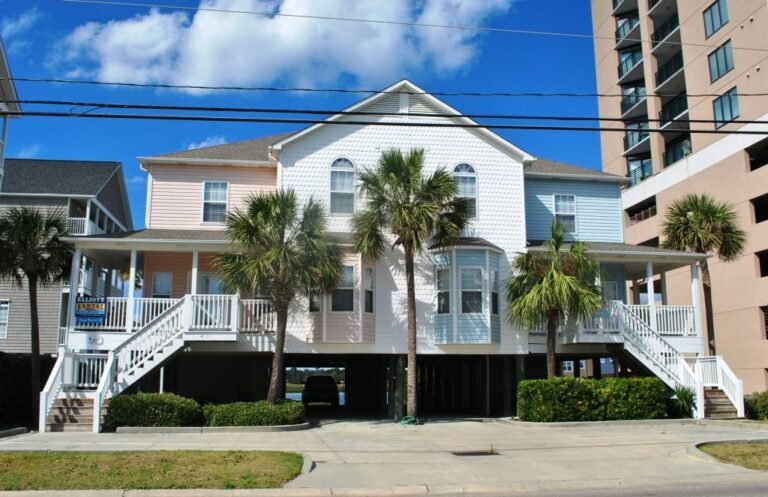
Sewer Scope Inspection
Know the line before you buy a home or condo.
Learn more
Sewer Line Cleaning
Main line clogs cleared, then checked so they stay cleared.
Learn more
Sewer Line Replacement
Full or partial replacement, trenchless or excavated, with permits handled.
Learn morePhoto credits (Wikimedia Commons): Sewer Scope Inspection: Elisa.rolle, CC BY-SA 4.0.
Sewer or water line trouble?
Call for a camera inspection and a written quote.
Call to book a sewer camera inspection in Myrtle Beach, Conway or anywhere in Horry County.

Sewer and water line repair for Myrtle Beach, Conway and Horry County. Camera inspection first, written and itemized quotes, licensed plumbers.
Call (843) 429-6659