
Septic Line Repair and Septic-to-Sewer Connections in Horry County
Repairs to the line between the house and the septic tank, and connections to public sewer where it is available.
- Camera inspection first
- Written, itemized quotes
- Licensed and insured
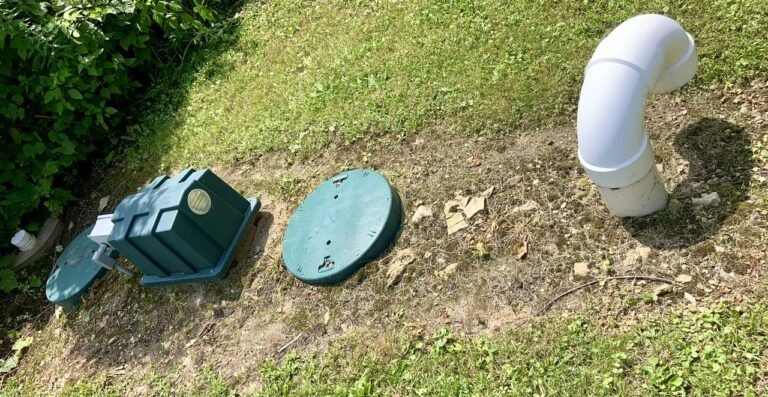
Septic line repair fixes the buried pipe that carries wastewater from your house to the septic tank when roots, settling, a crushed section or a failed joint at the tank has blocked or broken it. Myrtle Beach Sewer Line Repair inspects the line by camera from the cleanout to the tank inlet, then repairs or replaces it anywhere in Horry County, or connects the home to public sewer where available.
Call (843) 429-6659 to have the line between your house and your septic tank inspected.
Call nowChoose your area
Who owns the line, which utility to call and which permits apply differ by town. Pick yours:
Septic line problems: symptom, likely cause and what we do
| What you notice | Likely cause | What we do |
|---|---|---|
| Slow drains all over the house | A clog or sag in the line, or a full tank | Camera from the cleanout to the tank inlet |
| Gurgling when another fixture drains | A partly blocked line, or a tank not draining | Camera, then clear the line |
| Sewage in the lowest tub or shower | A blocked line, or a full tank or flooded field | Camera; water at the inlet points to the tank or field |
| Backups after heavy rain | A drain field in a high water table | Confirm the line is clear and check for sewer access |
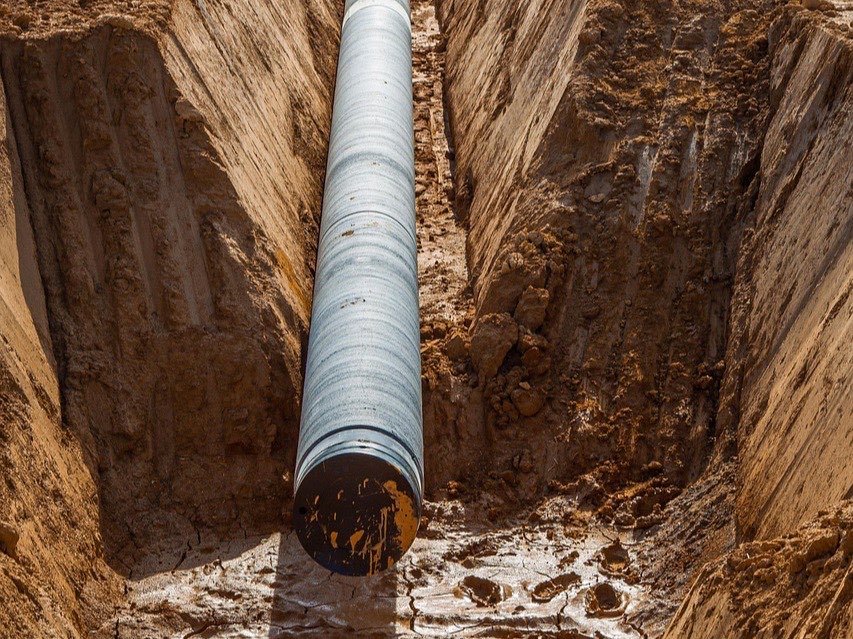
| Wet or smelly ground over the line | A cracked or separated pipe | Locate it with the camera, then spot repair |
| Alarm on a pump tank | A grinder pump or STEP fault | Grinder pump repair |
What is a septic line?
Usually it means the pipe from the house to the septic tank, which works like a sewer lateral but ends at the tank’s inlet. The pipe from the tank to the drain field belongs to the septic system itself, with the tank and the field.
We do not pump tanks or work on tanks and drain fields, which the South Carolina Department of Environmental Services (SC DES) licenses separately.
What happens when you call about a septic line
- Questions. Where is the tank, when was it last pumped, and does a public sewer run past the property? Active sewage backups are scheduled first.
- Camera inspection. A sewer inspection with our camera runs from the cleanout to the tank inlet and marks the route and depth, since SC811 does not mark private lines.
- Diagnosis. Roots, cracks, sags (bellies), crushed pipe and offset joints show on video, including the joint at the tank. Water standing at the inlet usually means the tank or field is not draining, so have the tank pumped before money goes into the line.
- Written options, itemized, for each repair that will work.
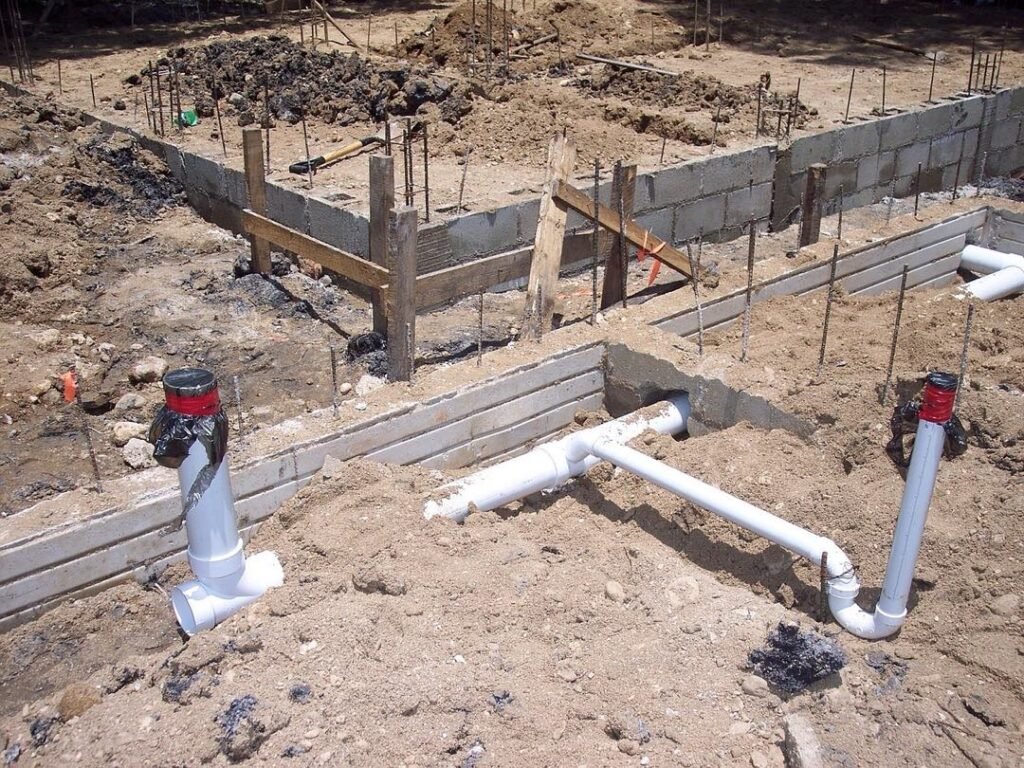
- SC DES and permits. Before replacing pipe at the tank, we contact SC DES with you, pull any building permit and request SC811 locates.
- Repair, test and restore, with a second camera run before backfill.
Septic line repair and replacement options
- Cleaning. A cable machine clears roots or buildup when the pipe is sound; roots that return point to a joint that needs repair.
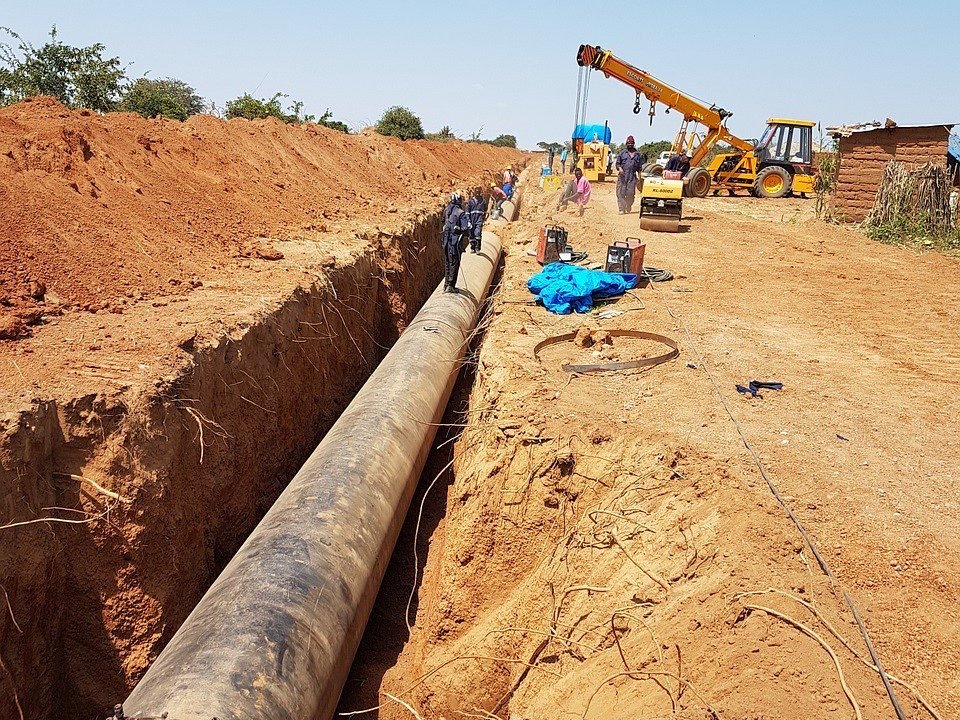
- Spot repair. One bad section, such as a separated joint at the tank or a crushed stretch under a driveway, is dug out, replaced and re-bedded.
- Replacement. Clay or Orangeburg fiber pipe, repeated sags or roots at many joints call for a new line, typically PVC, which the state’s residential code approves for building sewers. See sewer line replacement.
- Lining. A cured-in-place liner can seal cracks in pipe that still holds its shape.
Angi’s November 2025 septic tank repair guide puts a septic line repair at $1,500 on average nationally.
SC DES rules for septic repairs
South Carolina’s septic regulation, R.61-56, sets three rules:
- Notify first. Owners must notify SC DES before relocating or replacing a septic system or any of its parts, so the Department can decide whether a permit is needed.
- Sewer first where accessible. “Repairs to or replacement of failing onsite wastewater systems shall not be allowed where a wastewater treatment facility is accessible for connection.”
- Licensed installers, or the owner. Building or repairing a system takes an SC DES installer license, except for personal use at your own residence. Pumping takes a pumper/hauler license.

Why septic systems struggle in Horry County soils
Mostly because the ground is wet. The USDA Natural Resources Conservation Service rates 97.8% of Horry County’s rated soil acreage “very limited” for septic absorption fields, with depth to the saturated zone the limiting factor on 93.8%, and puts the water table within 2 feet of the surface on 79.5% of mapped acreage for part of the year.
SC DES requires at least 6 inches between the deepest effluent and the saturated zone for systems up to 1,500 gallons a day. When groundwater rises after heavy rain, a drain field can run out of room, and the house line backs up even when the pipe is sound.
Septic to sewer conversion: cost and steps
Converting means a new line from the house to a sewer tap, the utility’s connection fees and retiring the old system. GSWSA’s Rural Sewer Program, at (843) 443-8200, offers “an alternative to the headaches of septic systems,” and GSWSA’s published rates list these fees per residential equivalent unit (REU):
| GSWSA fee | Per REU |
|---|---|
| Sewer impact fee | $2,735 |
| Sewer tap fee | $1,020 |
| Sewer connection inspection | $80 |
| Sewer total | $3,835 |
| Water, if needed: impact, tap and meter base fees | $1,225, $790 and $630 |
Some areas add supplemental impact fees; confirm yours with GSWSA. In Murrells Inlet, GCWSD’s 2026-27 rates list a $1,893 sewer impact fee per REU plus a $120 sewer service administrative fee. HomeAdvisor’s June 2026 sewer line installation guide puts a septic-to-sewer switch at around $6,000 or more nationally, before local fees like these. Our plumbing work from the house to the tap is quoted separately; our sewer line replacement cost guide explains what drives it.
Not every lot drains by gravity. GSWSA’s standards include residential grinder pump stations and STEP (septic tank effluent pump) systems, its developer policy approves grinder stations case by case, and a pressure connection to a force main can need an SC DES construction permit. A typical home pumping unit holds about 70 gallons and stops without power; read about a grinder pump alarm. Compare septic vs sewer in Horry County.
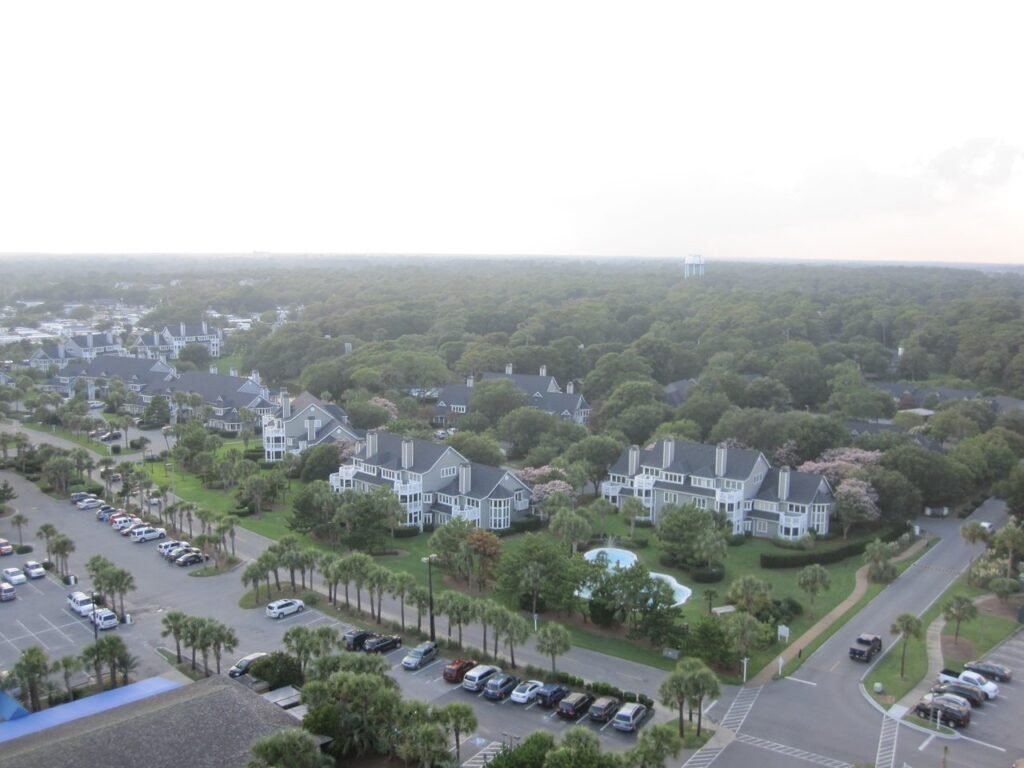
Briarcliffe Acres: septic lots and a small sewer district
In Briarcliffe Acres, the town’s 2025 Comprehensive Plan Update says most homes use septic systems, which is why lots must be large enough for drain fields. Eleven parcels have had public sewer since 2017, “after almost ten years of deliberation,” through grinder stations and a line the City of Myrtle Beach installed. Floodplain homes on Ocean View Drive, Palmetto Lane and Beach Drive had to connect within five years, or sooner if their septic failed, and all are connected. More on sewer line repair in Briarcliffe Acres.
What a complete written quote includes
- Camera findings and video, from the cleanout to the tank inlet or sewer tap
- The method, from cleaning to replacement
- Length, depth and pipe material
- SC DES contact, permit and inspection
- SC811 locates
- Restoration of yard, driveway or sidewalk
- Cleanouts added
- Disposal of old pipe
- Utility fees, such as GSWSA’s, as separate lines
Septic line repair FAQ
Who is responsible for the line from the house to the septic tank?
The property owner. South Carolina’s septic regulation makes owners keep the system, including tanks, lids, piping and pumps, in good working order.
Can a failing septic system be repaired if sewer is available?
No. R.61-56 does not allow repairing or replacing a failing septic system where a wastewater treatment facility is accessible for connection, so the fix is a sewer connection.
Do I need a permit to replace a septic line?
Owners must notify SC DES before relocating or replacing system components, and the Department decides whether a permit is needed. Replacing buried pipe also generally needs a building permit, which we pull.
How much does septic to sewer conversion cost?
GSWSA’s published sewer fees for one unit total $3,835: a $2,735 impact fee, a $1,020 tap fee and an $80 inspection, plus any water or supplemental fees. Our plumbing work is quoted in writing.
Will I need a grinder pump to connect to sewer?
Only if the house cannot drain to the sewer by gravity or the sewer is a pressure system. Ask your utility, including who owns and maintains the pump.
How do I unclog a septic line?
A drain cable through the cleanout can clear a soft clog. Never pour or mix chemical drain openers, never lean into a septic tank, whose gases can kill, and call 811 before digging.
Do you pump septic tanks?
No. We work on the line from the house to the tank, sewer connections and water lines. If the camera points to the tank, have it pumped by an SC DES-licensed pumper first.
Related services

Grinder Pump Repair
Home grinder and sewage pump alarms, failures and replacements.
Learn more
Sewer Camera Inspection
Video of the whole line, locate marks and a written summary.
Learn more
Sewer Line Replacement
Full or partial replacement, trenchless or excavated, with permits handled.
Learn morePhoto credits (Wikimedia Commons): Grinder Pump Repair: Jung Pumpen GmbH, CC BY-SA 4.0.
Sewer or water line trouble?
Call for a camera inspection and a written quote.
Call to inspect or repair your septic line, or to price a sewer connection.

Sewer and water line repair for Myrtle Beach, Conway and Horry County. Camera inspection first, written and itemized quotes, licensed plumbers.
Call (843) 429-6659