
Sewer Pipe Bursting in Myrtle Beach
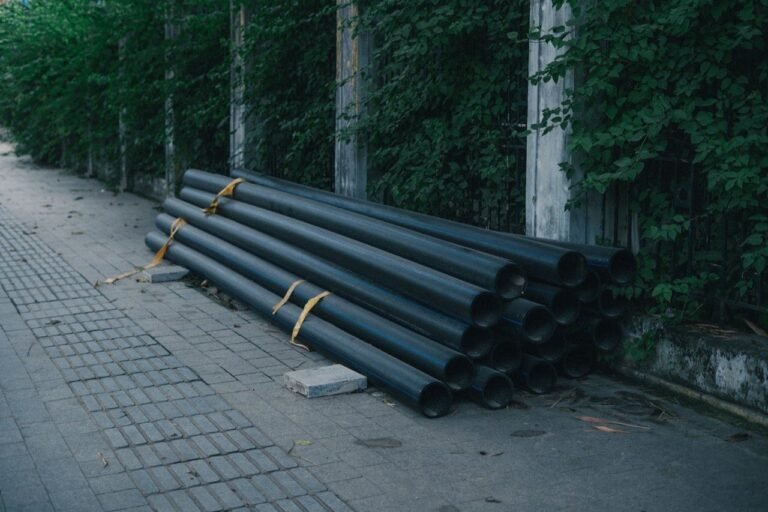
A new seamless pipe pulled through the old one, from two small access pits instead of a trench across the yard.
- Camera inspection first
- Written, itemized quotes
- Licensed and insured
Sewer pipe bursting replaces a broken sewer line without a trench: a cone-shaped head is pulled through the old pipe, cracking it outward, while new fused HDPE pipe follows behind it. Myrtle Beach Sewer Line Repair bursts clay, cast iron and Orangeburg laterals in Myrtle Beach, Conway and across Horry County, usually from two small pits, after a camera inspection shows the line can take it.
Call (843) 429-6659 to find out whether your sewer line can be burst instead of dug up.
Call nowChoose your area
Who owns the line, which utility to call and which permits apply differ by town. Pick yours:
Signs your sewer line may need pipe bursting
| Symptom | Likely cause | What we do |
|---|---|---|
| Roots back within months of each cleaning | Roots in joint after joint of clay or cast iron | Camera it, then quote bursting and lining |
| Flattened, out-of-round pipe on camera | Orangeburg fiber pipe failing | Burst it, digging a pit where the cable cannot pass |
| Holes or a cracked bottom in cast iron | Corrosion of old iron pipe | Replace the run with HDPE |
| Sand keeps settling in the line | Wet sand entering at cracks | Check for voids, then replace |
| The camera stops at a crushed section | Collapse | Dig a pit there, then burst the rest |
| Water stands in one stretch | A belly (sag) | Re-lay that stretch at the right slope |
How does sewer pipe bursting work?
A head slightly larger than the old pipe is pulled from an entry pit to an exit pit, breaking the pipe outward and drawing the new pipe in behind it. The International Pipe Bursting Association (IPBA), a division of NASSCO, describes two methods:
- Static bursting. A hydraulic unit in the exit pit pulls the head through on rods or a cable, without hammering; a splitter opens pipe that will not shatter, such as PVC.
- Pneumatic bursting. An air-driven hammer in the head cracks the pipe blow by blow while a winch keeps it centered. It is louder.
The entry pit lets the new pipe bend into line; the exit pit holds the braced puller. IPBA puts typical lateral bursts at 50 to 150 feet. In most GSWSA areas your pipe ends at a property-line cleanout, so the burst usually runs from near the house to that cleanout; city utilities set their own boundaries.
HDPE pipe and fused joints
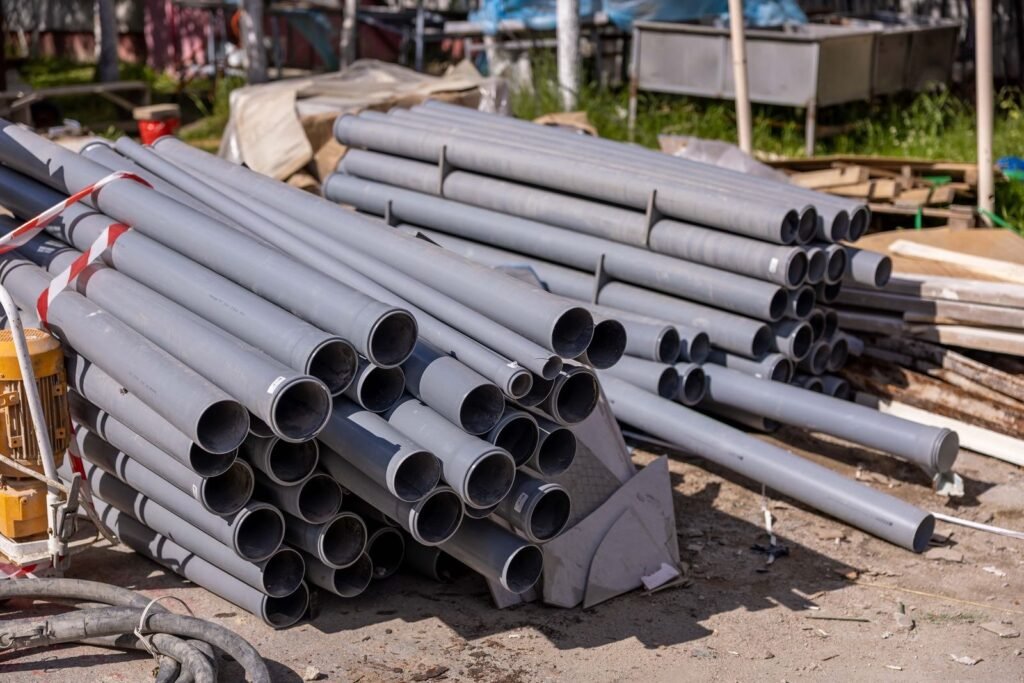
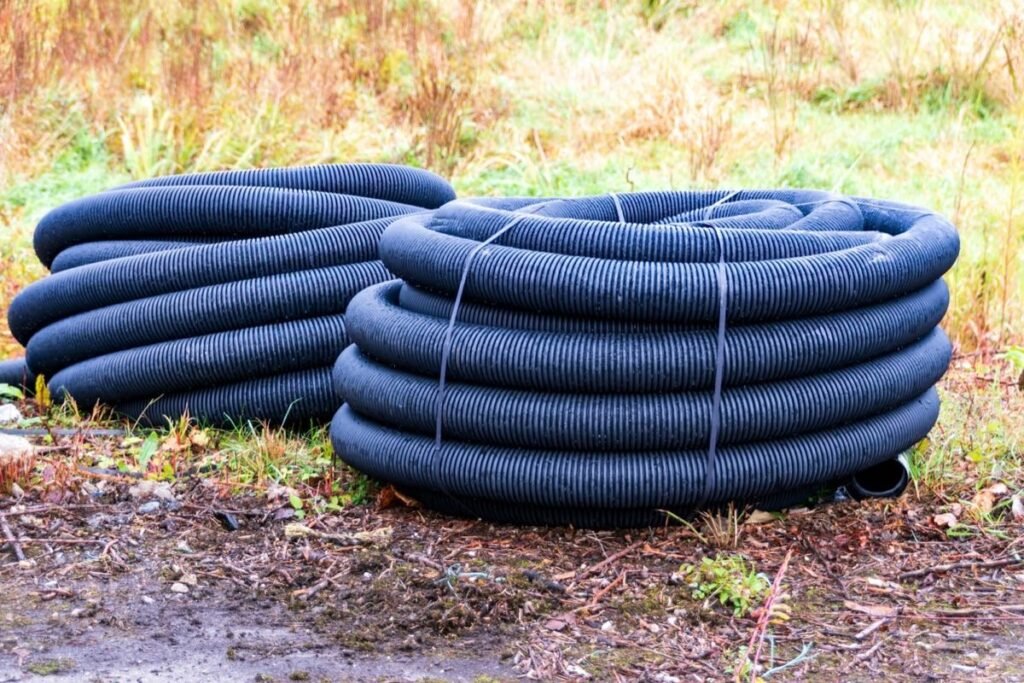
South Carolina’s edition of the 2021 International Residential Code calls for HDPE pipe meeting ASTM F714 when a building sewer is replaced by bursting. The Plastics Pipe Institute’s butt fusion procedure (TR-33) melts both pipe ends on a heater plate at 400 to 450°F, then presses and holds them until cool. Done properly, PPI says the joint is as strong as the pipe or stronger, with no gasket for roots to enter.
GSWSA’s standards for new laterals call for Schedule 40 PVC beyond the property line, so in GSWSA areas we confirm HDPE is acceptable before quoting.
When is pipe bursting the right choice?
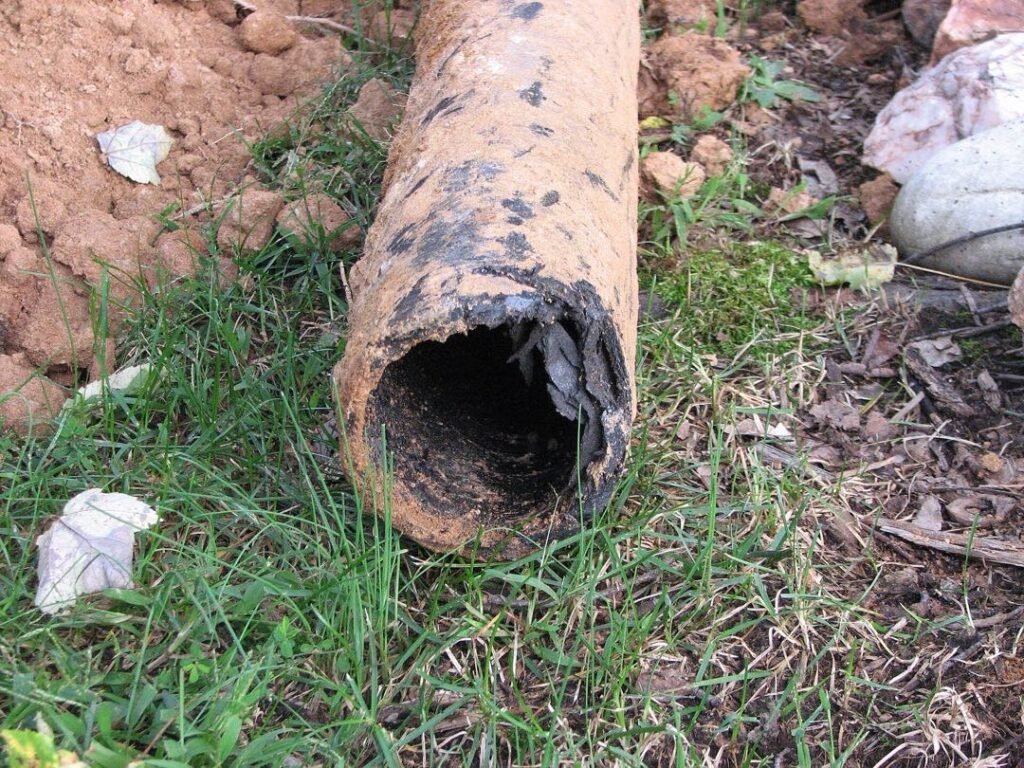
Bursting fits a line broken along much of its length but still passable, especially under a driveway, patio, tree or landscaping. IPBA rates clay, cast iron and Orangeburg as good candidates because they crack; Orangeburg fiber pipe, commonly installed from the 1940s to the early 1970s, often fails by going out of round. See Orangeburg pipe and cast iron sewer pipe.
Homes from that era are common locally: 56.1% of Loris homes and 32.3% of Conway homes predate 1980 (U.S. Census Bureau, ACS 2020-2024).
When pipe bursting will not work
Bursting follows the old pipe and pushes soil outward, so we check four limits first:
- Bellies. IPBA says line and grade cannot be controlled during a burst, and soft ground under the pipe can deepen a sag.
- Nearby utilities. IPBA’s rule of thumb is at least two replacement-pipe diameters of clearance, with lines in that zone exposed first.
- Shallow lines. With little cover, the displaced soil can heave the surface.
- Bends and collapses. A 45 or 90 degree fitting usually stops a burst; a crushed spot the rods cannot pass needs a pit.
Then open-trench sewer line replacement is the usual fix, or sewer pipe lining for pipe that still holds its shape.
Pipe bursting in sand and a high water table
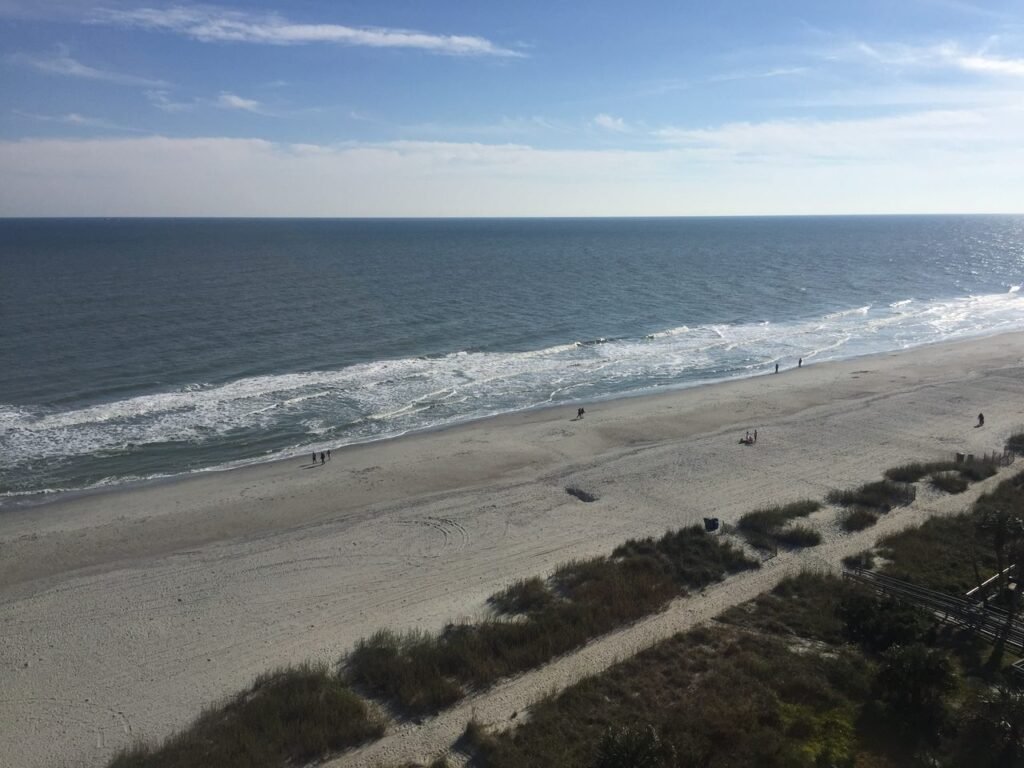
Wet sand makes a burst harder, not impossible; much of the extra work is in the pits. NRCS puts the water table within 2 feet of the surface for part of the year on about 79.5% of Horry County’s mapped acreage, while GSWSA sets new laterals 36 inches to 4 feet deep.
IPBA counts soils below the water table and angular sands among the harder conditions: loose sand can settle, and the head tends to drift toward voids where sand has washed out. Dewatering is often limited to the pits, and where muck or quicksand turns up, GSWSA’s standards call for gravel or crushed stone.
Can pipe bursting upsize a sewer line?
On public mains, yes; IPBA describes single, double and triple upsizes. A house sewer is normally size for size, because South Carolina’s residential code says the replacement “shall be of the same nominal size as the existing piping.” One house rarely needs more: GSWSA sizes new laterals at 4 inches for up to nine residential equivalent units.
Does pipe bursting need a permit?
Yes. South Carolina’s code treats replacing defective concealed drain pipe as new work needing a permit, and its pipe-bursting section (P3010) requires recorded video before and after, cleanouts where the old line lacked them, the building official’s approval of the final video, and a 15-minute water test at a 10-foot head.
Depending on the address, Horry County, the town or city, or Georgetown County issues it; we pull it and schedule the inspections. SC811 marks only public lines, so we trace your private line with the camera’s locator.
How much does pipe bursting cost?
HomeAdvisor’s sewer line cost guide (updated June 19, 2026) puts pipe bursting at $60 to $200 per foot nationally, an estimate rather than a Grand Strand quote. Length, pit depth, dewatering, restoration and the permit move a local price; see our sewer line replacement cost guide.
If GSWSA’s optional Service Line Maintenance charge is on your bill, call GSWSA first; it covers lines from the right-of-way to the building. In Murrells Inlet, GCWSD’s 2022 protection plan terms say members who call a plumber before calling GCWSD pay the repair bill.

Our sewer pipe bursting process
- Sewer camera inspection to record the line and mark its route.
- Written, itemized quote, with any alternative alongside.
- Permit and SC811 locates, with close crossings exposed.
- Pits and fusion, dewatering if needed.
- The burst, static or pneumatic.
- Rest, reconnect and add cleanouts. IPBA says new pipe should rest for its maker’s recommended time before reconnection.
- Video, test, inspection and restoration. You keep the video.
Drains are off while the line is disconnected. Every job is done by licensed plumbers and covered by liability insurance.
What a complete written quote for pipe bursting includes
- Camera findings and video
- The method and why it fits
- Length, depth and pit locations
- HDPE pipe size and standard
- Permit and inspection
- SC811 and private-line locates
- Dewatering
- Restoration of yard, driveway or sidewalk
- Cleanouts added
- Disposal of debris
- Any utility fees
Compare methods on our trenchless sewer repair page, or start with sewer line repair in Myrtle Beach.
Pipe bursting FAQ
How long does sewer pipe bursting take?
The burst is usually the short part; the permit, SC811’s three full working days for public locates, fusing, the rest period and the inspection set the schedule.
Can pipe bursting fix a belly in my sewer line?
Not reliably. IPBA says grade cannot be controlled during a burst, and soft ground can deepen a sag, so we re-lay that stretch at the right slope.
Can a sewer line be too shallow for pipe bursting?
Yes. IPBA warns of surface heave when the cover is too shallow for the expansion, so near slabs and walkways we may dig that stretch instead.
Will pipe bursting damage my foundation or other utilities?
It can if planned badly. IPBA advises at least two replacement-pipe diameters of clearance from other pipes; vibration is unlikely to harm anything more than a few feet away.
Does pipe bursting work on Orangeburg and cast iron pipe?
Usually. IPBA calls both good candidates because they crack, though a flattened or crushed spot may need its own pit.
How much does pipe bursting cost?
HomeAdvisor’s sewer line cost guide (updated June 19, 2026) puts it at $60 to $200 per foot nationally; your written quote itemizes the rest.
Is pipe bursting better than sewer pipe lining?
Neither wins everywhere. Bursting replaces pipe too broken to line; lining needs less digging but only works on pipe that still holds its shape.
Related services
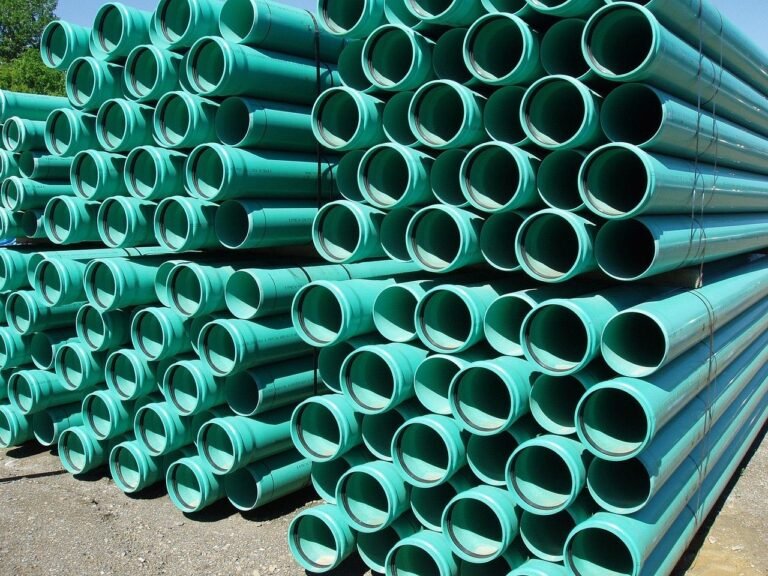
Trenchless Sewer Repair
Pipe lining and pipe bursting with little or no digging.
Learn more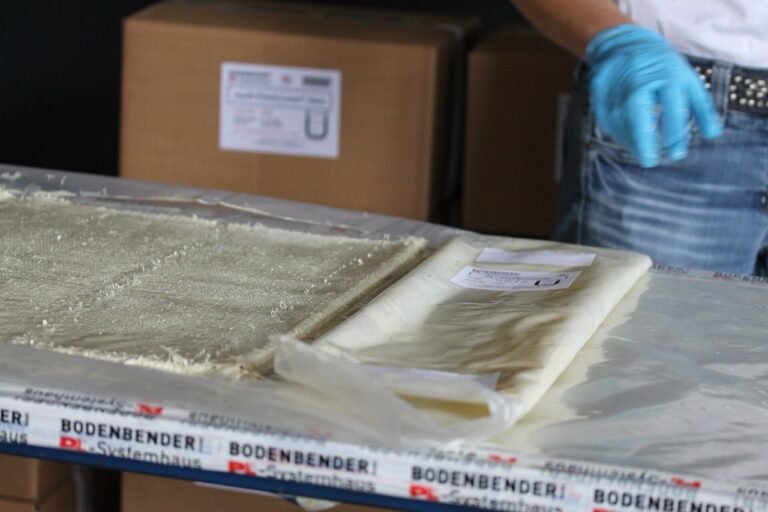
Sewer Pipe Lining
A new pipe cured inside the old one to seal cracks and joints.
Learn more
Sewer Line Replacement
Full or partial replacement, trenchless or excavated, with permits handled.
Learn morePhoto credits (Wikimedia Commons): Sewer Pipe Lining: Bdnbndr2020, CC BY-SA 4.0.
Sewer or water line trouble?
Call for a camera inspection and a written quote.
Call to book a camera inspection and find out whether sewer pipe bursting will work on your line.

Sewer and water line repair for Myrtle Beach, Conway and Horry County. Camera inspection first, written and itemized quotes, licensed plumbers.
Call (843) 429-6659