
Sewer Pipe Lining (CIPP) in Myrtle Beach
A new pipe formed inside the old one that seals cracks, joints and root entry without digging up the yard.
- Camera inspection first
- Written, itemized quotes
- Licensed and insured
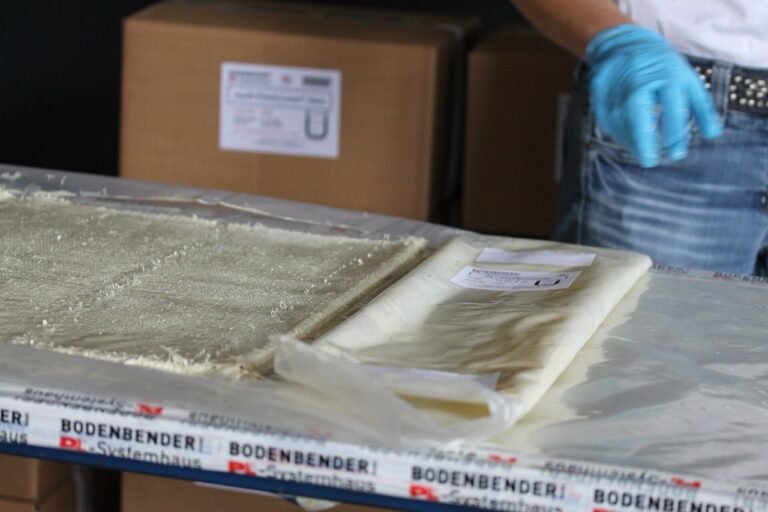
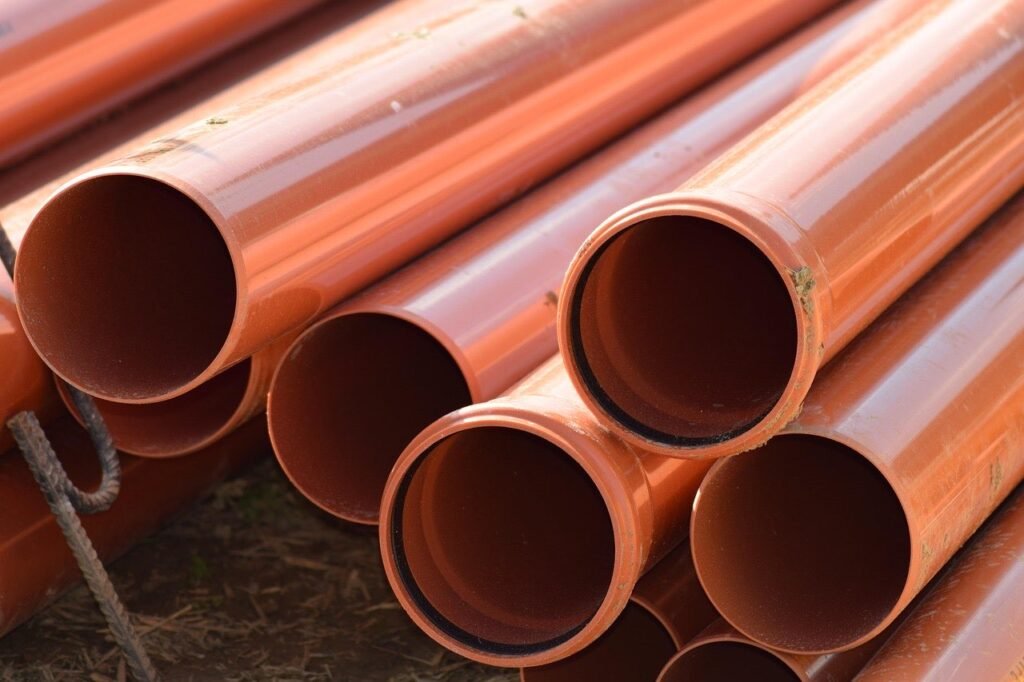
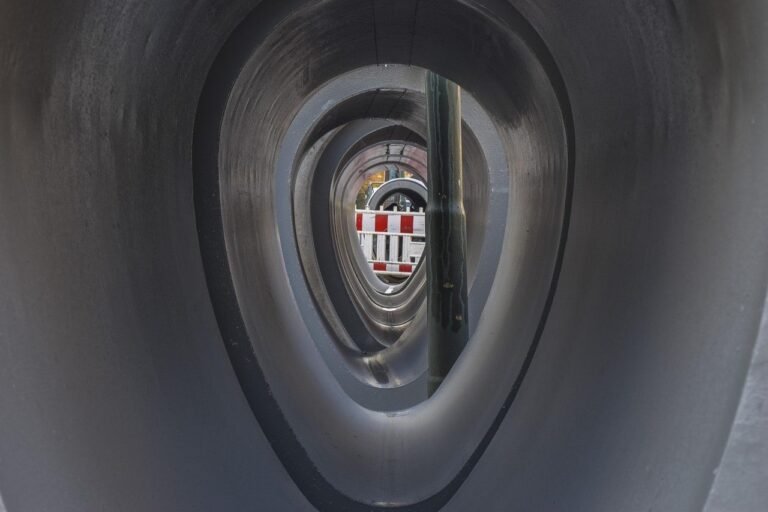
Photo: Bdnbndr2020, CC BY-SA 4.0, via Wikimedia Commons
Sewer pipe lining, also called cured-in-place pipe (CIPP), builds a new pipe inside your old one: a resin-soaked fabric tube goes in, usually through a cleanout, presses against the old walls and cures hard, sealing cracks and the joints roots grow through. Myrtle Beach Sewer Line Repair lines sewer laterals in Myrtle Beach, Conway and across Horry County when a camera inspection shows the pipe still holds its shape.
Call (843) 429-6659 to find out whether your sewer line can be lined instead of dug up.
Call nowChoose your area
Who owns the line, which utility to call and which permits apply differ by town. Pick yours:
Signs your sewer line can be lined
| Symptom | Likely cause | What we do |
|---|---|---|
| Roots back months after cutting | Roots entering at joints | Clean to bare wall, then line |
| Drains slow after heavy rain | Groundwater leaking in at joints | Line those joints or the whole run |
| Sand in the line or cleanout | Wet sand entering open joints | Clean, check the slope, then line |
| One cracked joint in sound pipe | A local defect | A point liner |
| Scaled cast iron snagging paper | Corrosion inside the pipe | Descale, then line if the wall is sound |
| A flattened or crushed section | Collapse | Dig it out or burst new pipe through |
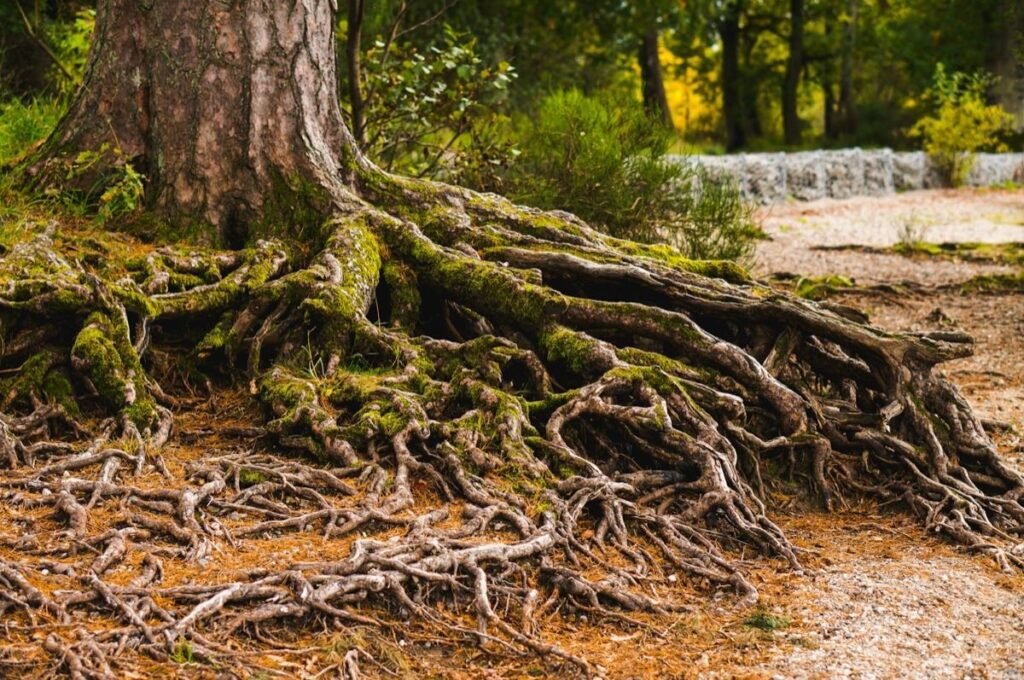
More on tree roots in sewer lines.
What is CIPP pipe lining?
CIPP is a fabric tube saturated with thermosetting resin. It is pulled or inverted into the old pipe, expanded against its walls and cured into a new pipe with little or no digging, as NASSCO’s Lateral Committee described it in a 2019 handout for the International Code Council.
- The tube: felt, fiberglass or woven fabric.
- The resin: epoxy, polyester, vinyl ester or silicate.
- Installation: inversion, where air or water pressure turns the tube inside out into the pipe, or pull-in-place, where it is pulled in and inflated.
How is a pipe liner cured?
The resin hardens at ground temperature or with heat or light: ambient, hot water, steam or UV, all on NASSCO’s list of lateral curing methods. Which one fits depends on the resin system, the run and the access.
- Hot water: circulated, then cooled to 100°F or less before the water is released, so the liner stays tight-fitting (NASSCO).
- Steam: blown through with air, leaving little condensate.
- UV light: a light train is pulled through the air-inflated liner.
For heat cures, NASSCO calls temperature sensors at the liner a must and recommends a written cure schedule, so ask how yours is monitored.
Cleaning and camera work come first
South Carolina’s edition of the 2021 International Residential Code requires the pipe to be descaled, cleaned, flushed and recorded on video before relining.
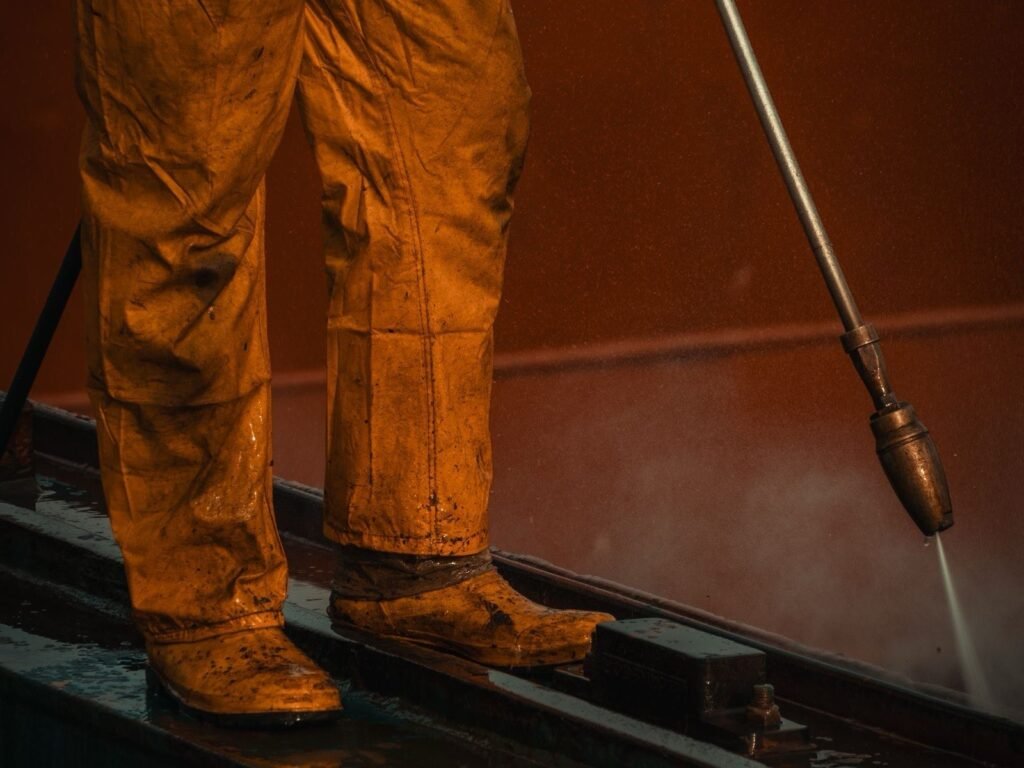
- Hydro jetting scours out grease, sand and fine roots.
- Root cutting clears root masses at the joints.
- Descaling grinds rust scale off cast iron down to sound metal.
The code’s video must also note cleanouts, fittings, approximate depth and pipe length at least every 25 feet.
Point liner or full-length liner?
A point liner, or sectional repair, seals one defect such as a cracked joint and suits pipe that is sound elsewhere. A full-length liner seals every joint along the run, for roots or leaks from end to end. NASSCO notes point repairs are also used to fix a bad spot before a full liner goes in.
Wet ground can tip the choice toward a full liner: central Myrtle Beach’s most extensive soil, Leon fine sand, has water within about 6 inches of the surface at times (NRCS), and open joints let it in.
Reinstating branch connections after lining
A liner covers any branch that joins the pipe, so each opening is cut back open from inside afterward. Cutting robots for small pipe can carry their own camera; MaxLiner rates its Micro S Light for 3- to 10-inch pipe and markets it for reopening lateral connections after lining.
When sewer pipe lining is the wrong fix
South Carolina’s code bars relining where the video shows defects such as “backslope or insufficient slope, complete pipe wall deterioration or complete separations”; those sections are dug up and repaired with new pipe.
- Bellies: the liner follows the sag, so solids keep settling there.
- Collapse: with the wall gone, there is nothing to cure against.
- Severe offsets: a joint knocked far out of line or fully separated; the code names root invasion and improper support as causes of separations.
Excavation re-lays a belly, and pipe bursting or excavation replaces collapsed or offset pipe.
Resin odor and ventilation
Curing resin can smell; polyester and many vinyl ester resins contain styrene, which people notice at very low levels. NASSCO’s April 2023 styrene guideline says to give residents the schedule, keep drain traps filled and in repair, and ventilate rooms where a trap is dry, damaged or missing.
Before we start, fill seldom-used drains with water and tell us if anyone at home is sensitive to odors. We ventilate the work area and say when the cure is complete.
Sewer lining permits in South Carolina
Relining a building sewer needs a permit. The state code’s relining section (P3011) covers gravity drain pipe 4 inches and larger and requires:
- The building official’s check of the pre-lining video before the permit is issued.
- A flush, flow test and recorded video after the cure.
- Written certification from the permit holder that the liner went in per the maker’s instructions.
The permit comes from Horry County, your town or city, or Georgetown County for Murrells Inlet, and we file it and book the inspection.
How much does sewer pipe lining cost?
HomeAdvisor’s sewer line cost guide (updated June 19, 2026) puts CIPP lining at $90 to $250 per foot, a national figure and not a Grand Strand quote. Length, cleaning, branches to reopen, access and the permit set a local price. See our sewer line replacement cost guide.
If GSWSA smoke testing flagged your lateral, call GSWSA at 843-234-8473 before paying for a repair: its smoke-test guidance says it “will generally make all repairs found even on the customers service lateral.”
Our sewer pipe lining process
- Sewer camera inspection to confirm the line can be lined and measure it.
- Written, itemized quote naming the tube, resin, cure method and any digging.
- Permit, with the pre-lining video for the building official.
- Cleaning by jetting, root cutting or descaling, then a recorded camera pass.
- Wet-out, installation and cure, by the methods on your quote.
- Reinstatement of branches and trimming at the cleanout.
- Flush, flow test and final video, which you keep.
Drains stay off until the cure is complete. Every job is done by licensed plumbers and covered by liability insurance.
What a complete written quote for sewer lining includes
- Camera findings and video
- The method and why it fits
- Length and depth of the lined section
- Liner tube, resin and cure method
- Cleaning method
- Branch connections to reinstate
- Permit and inspection
- SC811 locates, if digging is needed
- Restoration of yard, driveway or sidewalk
- Cleanouts added
- Disposal of debris
- Any utility fees
Lining is one of two methods on our trenchless sewer repair page; see also sewer line repair in Myrtle Beach.
Sewer pipe lining FAQ
What is the new liner made of?
A felt, fiberglass or woven fabric tube saturated with resin such as epoxy, polyester or vinyl ester, cured hard and jointless. Your quote names the exact materials.
Will lining fix a belly in my sewer line?
Generally, no. A liner takes the shape of the old pipe, and South Carolina’s code bars relining over backslope or insufficient slope; that stretch is usually dug up and re-laid.
Do I need a permit to line a sewer pipe in South Carolina?
Yes. Under the state’s 2021 residential code, the building official checks the pre-lining video before issuing the permit, and the job ends with a flow test, final video and written certification.
How long does a sewer liner last?
Angi’s trenchless cost guide (updated July 10, 2026) says sewer pipe liners are rated to last up to 50 years; actual life depends on the resin, cleaning and cure.
How soon can I use water after the pipe is lined?
Once the liner has cured and passed the flush and flow test the state code requires before the final video. We tell you when.
Can roots grow through a pipe liner?
Generally not through the liner itself: roots enter at joints and cracks, and a cured liner has none along its length. Its ends and reopened branches are the spots to check on the final video.
How much does sewer pipe lining cost?
HomeAdvisor’s sewer line cost guide (updated June 19, 2026) puts CIPP lining at $90 to $250 per foot nationally; your quote itemizes the rest.
Sewer or water line trouble?
Call for a camera inspection and a written quote.
Call to book a camera inspection and find out whether your sewer line can be lined.

Sewer and water line repair for Myrtle Beach, Conway and Horry County. Camera inspection first, written and itemized quotes, licensed plumbers.
Call (843) 429-6659