
Main Sewer Line Clog in Myrtle Beach: Signs, Safe Fixes and Who to Call
Main sewer line clog? How to tell it from one slow drain, what to try safely, snaking vs hydro jetting, and who to call first.
A main sewer line clog backs up the whole house, not one drain: several fixtures slow down at once, toilets gurgle, and water rises in the lowest tub or shower when you flush. Stop using water, and if sewage is coming up, call your sewer utility first, because the blockage may be in its line. If the clog is on your side, Myrtle Beach Sewer Line Repair clears it and checks the line with a camera, in Myrtle Beach, Conway and across Horry County.
Call (843) 429-6659 to have a main sewer line clog cleared and the cause found on camera.
Call nowSigns of a main sewer line clog vs. one clogged drain
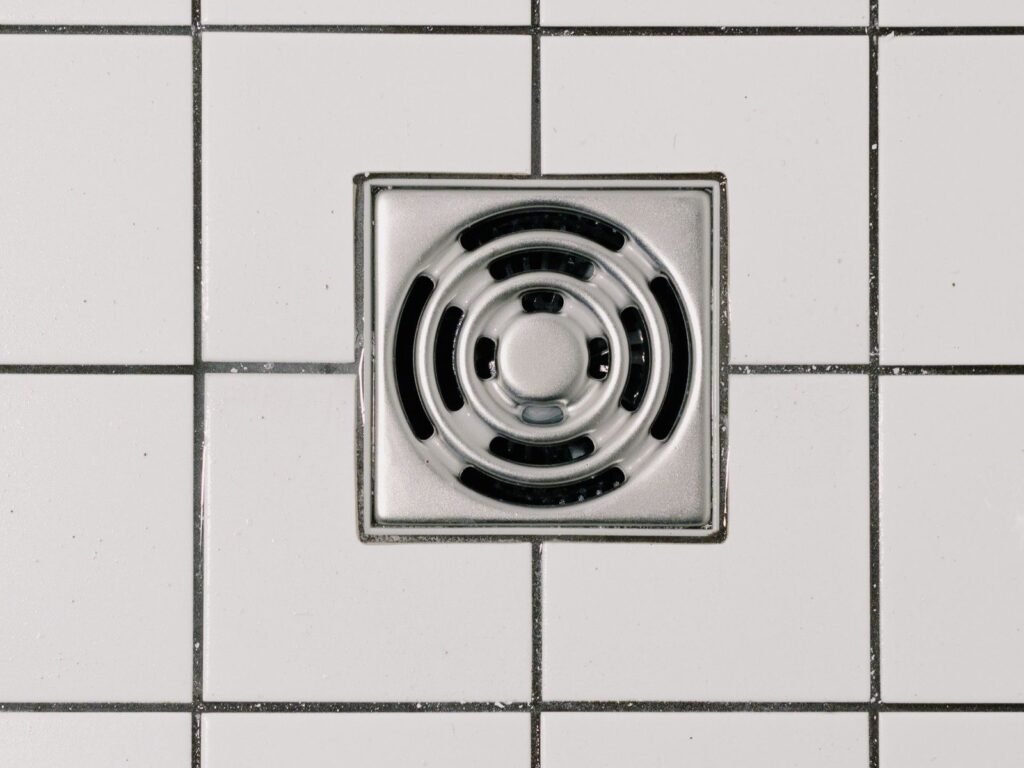
Every drain in the house empties into one building sewer, which runs under the yard to the public main. A clog in one sink affects only that sink. A clog in the main line affects every fixture upstream of it, and the water backs up out of the lowest opening first.
| What you notice | Main line or one drain? | What it usually means |
|---|---|---|
| One sink, tub or toilet is slow; everything else drains | One drain | A clog in that fixture’s trap or branch pipe |
| Several fixtures slow down at the same time | Main line | A blockage in the building drain or sewer line |
| Water comes up in the tub or shower when you flush | Main line | Waste is backing up to the lowest opening |
| A toilet gurgles when the washer drains | Main line, or a vent problem | Air is being pushed back through the traps |
| Water standing in the outdoor cleanout | Main line | A blockage between the cleanout and the street |
| Clogs keep coming back after clearing | Main line | Roots, a sag, grease buildup or broken pipe |
On a slab or raised home, watch the ground-floor tub, shower and toilet first.
Who do I call first when the main line backs up?
Call your sewer utility before a plumber when sewage is backing up, because the blockage may be in the public line, which the utility clears. GSWSA’s rule is “Call GSWSA before you call your plumber.” Its staff investigate sewer backups day and night at no charge and tell you whether the problem is in their line or yours.
- GSWSA (Surfside Beach, Garden City, Socastee, Carolina Forest, Forestbrook, Little River, Longs and most of unincorporated Horry County): (843) 234-8460, or (843) 443-8200 after hours.
- GCWSD (Murrells Inlet): (843) 237-9727, or (843) 546-8408 after hours. If you are enrolled in its Service Line Protection Program, the terms say a customer who calls a plumber before calling GCWSD pays the repair bill.
- City of Myrtle Beach, North Myrtle Beach, Conway and Loris: the city runs the sewer, so call the number on your water bill.
Meanwhile, stop running water. Keep children and pets away from sewage, and stay out of a flooded room with outlets or appliances.
What causes a main sewer line to clog on the Grand Strand?
Main line clogs usually start with what goes down the drain, such as grease, wipes and paper towels, or with what gets into the pipe, such as roots, sand and silt. A sag or a broken section makes either one worse. A camera shows which you have.
- Grease. GSWSA’s grease program says cooking grease poured down drains hardens into grease balls, from marble to cantaloupe size, and it calls household grease in sinks and disposals a major cause of sewer stoppages.
- Wipes and paper towels. GSWSA has asked customers not to flush wet wipes or kitchen towels because they do not break down as easily as toilet paper.
- Tree roots. Fine roots find leaking joints and grow into mats that catch paper. Our guide to tree roots in your sewer line covers the fixes.
- Sand and silt. About four in five acres of Horry County have a water table within 2 feet of the surface at some point in the year (NRCS soil data), and soils near the coast are often sandy. A cracked lateral in wet, sandy ground can take in sand and silt, much as GSWSA says storm runoff leaks into sewers through defects.
- Bellies. A belly is a sag where the pipe has settled and waste collects. Soft ground and poor bedding commonly cause them; GSWSA’s standards require muck, quicksand and soft clay under new sewer pipe to be replaced with crushed stone.
- Old pipe. Scale inside cast iron, deformed Orangeburg fiber pipe and open clay joints all narrow the line.
How to clear a main sewer line clog safely
If the utility’s side is clear and the clog seems soft, a flange plunger on the lowest toilet sometimes pushes it through, and the outdoor cleanout shows you where the blockage sits. Stop at any point if you are not comfortable around sewage, sewer gas or power tools.
- Stop all water use in the house.
- Find the cleanout, usually a capped pipe outside near the foundation; GSWSA areas may have a second one near the property line. See how to find your sewer cleanout.
- Gear up. Wear gloves and eye protection, and keep flames away, since sewer gas is flammable.
- Open the cap slowly and stand to one side. In a backed-up line, sewage can rush out when the cap breaks loose. Never heat a stuck plug with a torch or hammer on an old cast iron fitting.
- Read the cleanout. Standing water means the blockage is downstream, toward the street, so have your utility check before anyone else. A dry cleanout while drains back up means the clog is between the house and the cleanout.
- Plunge the lowest toilet with a flange plunger if the clog is on the house side. If water just rises somewhere else, stop.
- Rent a drum auger only if you are comfortable with power tools. Get a demonstration, wear the gloves the shop recommends, use a GFCI outlet and never grab a spinning cable. Stop if the cable binds, brings up roots or will not pass.
What not to do with a main line clog
- No chemical drain openers. They are made for small sink clogs, sit in standing water and do nothing to roots, sand or grease mats. They also leave a caustic pool for whoever opens the line next.
- Never mix drain chemicals or follow one product with another, because some combinations react violently or release toxic gas. If you already used one, tell your plumber which product.
- Do not keep flushing or run the washer to test whether the clog cleared.
- Do not dig for the line without calling 811. SC811 marks only public utility lines, not your private sewer line, and operators have three full working days to respond.
Snaking vs. hydro jetting: which clears a main line?
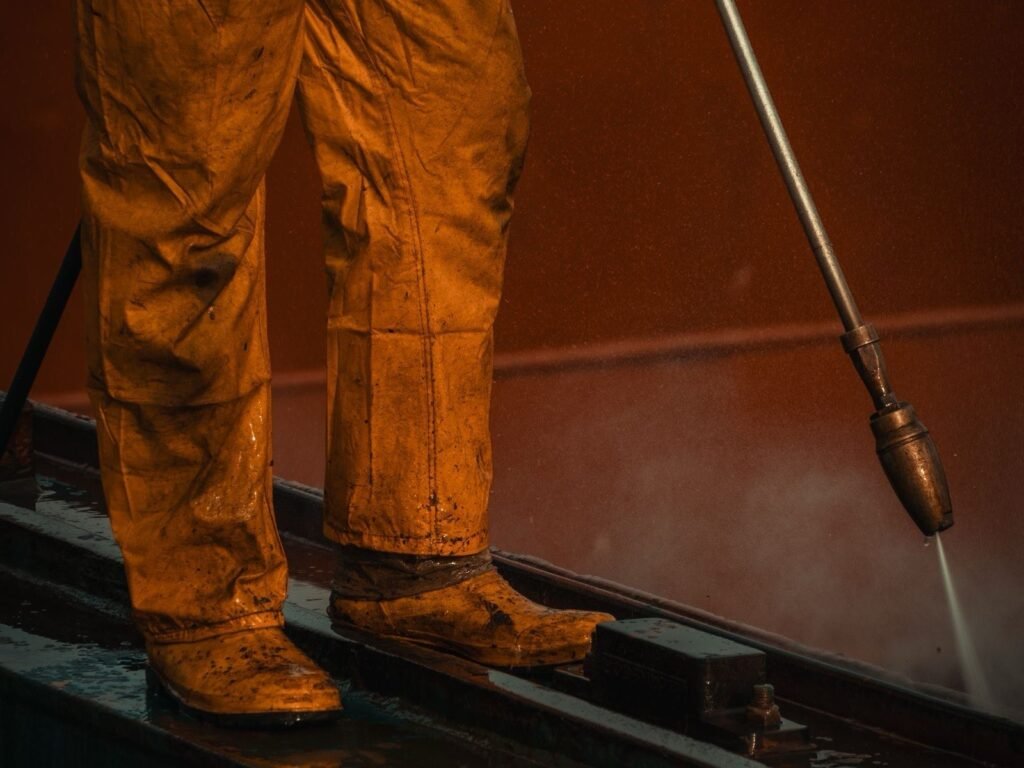
A cable machine, or snake, opens most clogs quickly by punching through the blockage and cutting roots, so it is usually the first step. Hydro jetting scours the full width of the pipe with high-pressure water, removing the grease, sand and root hair a cable leaves behind. We jet only when the camera shows the pipe can take it.
| Method | What it does well | Limits |
|---|---|---|
| Cable machine (snake) | Opens most blockages fast; root-cutting heads cut through roots | Leaves grease on the walls and root stubs at the joints |
| Hydro jetting | Interchangeable nozzles scour grease, sand, silt and fine roots off the whole pipe wall | Needs a sound pipe and cleanout access; high pressure can worsen broken or fiber pipe |
Angi’s October 2026 main sewer line clog guide puts clearing one at $380 on average nationally, with snaking $100 to $250 and hydro jetting $350 to $600. More on sewer line cleaning and hydro jetting.
Why a camera check after clearing matters
Clearing a main line fixes the symptom, not the cause. A camera run right afterward shows whether roots are coming through a joint, a belly is holding water, a crack is letting in sand, or Orangeburg pipe is deforming, so you know whether the clog will be back.
The camera’s locator marks each defect’s location and depth on the ground, since SC811 does not mark private sewer lines. If the line needs a repair, you get a written, itemized quote first, and we pull any permit and schedule the inspection. Compare the repair options on our page about sewer line repair in Myrtle Beach.
How to keep your main line from clogging again
- Grease goes in the trash. GSWSA suggests scraping plates and pans into the garbage, freezing grease until trash day and soaking up small amounts of oil with a paper towel.
- Only toilet paper goes in the toilet. Put wipes, paper towels and hygiene products in a bin, and leave a note by each toilet in a rental.
- Fix the cause. Roots and broken joints come back until the pipe is lined, repaired or replaced, and a line with a belly may need regular cleaning until then.
When to call a plumber
- Sewage is backing up and your utility has confirmed its line is clear.
- Several fixtures are slow and plunging the lowest toilet did not help.
- The clog returns within weeks of being cleared.
- A cable brings up roots or stops at something hard.
- There is no usable cleanout, or you would rather not handle sewage.
Active sewage backups are scheduled first, and every job is done by licensed plumbers covered by liability insurance.
Main sewer line clog FAQ
How do I know if my main sewer line is clogged?
Several fixtures slow down at once, toilets gurgle when other drains run, and water comes up in the lowest tub or shower when you flush. A clog in one fixture affects only that fixture.
Can I clear a main sewer line clog myself?
Sometimes. A flange plunger on the lowest toilet can move a soft clog, and a rented drum auger through the cleanout clears many paper and grease clogs. Roots, sand, broken pipe and clogs that keep returning need professional equipment and a camera.
Who do I call first if sewage backs up in Myrtle Beach?
Your sewer utility. In GSWSA areas, call (843) 234-8460, or (843) 443-8200 after hours; GSWSA investigates at no charge. In the City of Myrtle Beach, North Myrtle Beach, Conway and Loris, call the city number on your water bill.
Do I need a permit to clear a main sewer line?
No. South Carolina’s 2021 residential code exempts clearing stoppages from permits. Replacing a section of concealed pipe is new work that needs a permit and inspection.
Keep reading
Related guides

Sewer Cleanout Cap: How to Find Your Sewer Cleanout in Myrtle Beach
Sewer cleanout cap: where to find it on a Grand Strand home, what it looks like, how to open it safely and when to add one.
Read guide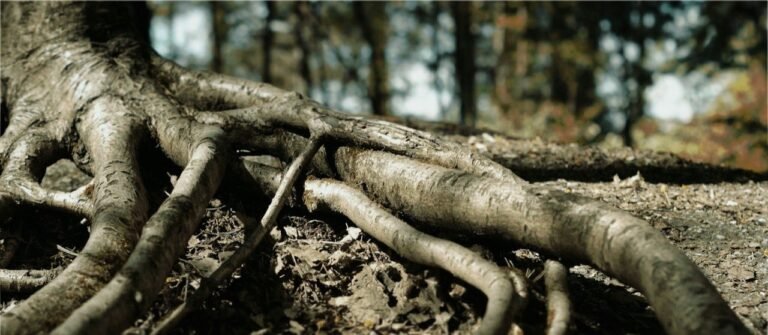
Tree Roots in Your Sewer Line: Signs and Fixes in Myrtle Beach
Tree roots in your sewer line? How roots get in, the warning signs, cutting vs jetting vs lining, and how to keep them out.
Read guide
Backwater Valve Installation in Myrtle Beach: Do You Need One?
What a backwater valve does, when South Carolina’s code requires one, slab vs elevated homes, installation and upkeep.
Read guideSewer or water line trouble?
Call for a camera inspection and a written quote.
Call to have your main sewer line cleared and checked with a camera.

Sewer and water line repair for Myrtle Beach, Conway and Horry County. Camera inspection first, written and itemized quotes, licensed plumbers.
Call (843) 429-6659