
Sewer Backup Help: Myrtle Beach, Conway and Horry County
Stop using water, call your sewer utility, then call us. What to do, in order, on the Grand Strand.
- Camera inspection first
- Written, itemized quotes
- Licensed and insured
A sewer backup happens when wastewater cannot leave through your building sewer, so it comes up through the lowest drain in the house, usually a ground-floor shower, tub or toilet. If it is happening now in Myrtle Beach, Conway or elsewhere in Horry County, stop using water and call your sewer utility first. If the blockage is in your own line, Myrtle Beach Sewer Line Repair clears it, finds the cause with a camera and fixes it, and active backups are scheduled first.
Call (843) 429-6659 once your sewer utility has checked its side of the line.
Call nowChoose your area
Who owns the line, which utility to call and which permits apply differ by town. Pick yours:
Call your sewer utility first
Your utility can tell you whether the blockage is in its main or lateral, which it fixes, or in your own pipe. GSWSA’s rule is “Call GSWSA before you call your plumber,” and it says staff are available at any hour, every day, to investigate sewer backups: “There is no charge to the customer for this service.”
| Where you live | Sewer utility | Who to call |
|---|---|---|
| Surfside Beach, Garden City, Socastee, Carolina Forest, Forestbrook, Little River, Longs and most of unincorporated Horry County | Grand Strand Water and Sewer Authority (GSWSA) | (843) 234-8460; after hours (843) 443-8200 |
| Myrtle Beach | City of Myrtle Beach | The number on your water bill |
| North Myrtle Beach | City of North Myrtle Beach | Public Works and Water & Sewer, (843) 280-5500; after hours, the number on your bill |
| Conway | City of Conway | The number on your water bill |
| Loris | City of Loris | After hours, (843) 756-4004, option 2 (other city pages list (843) 421-5391) |
| Murrells Inlet | Georgetown County Water and Sewer District (GCWSD) | Office (843) 237-9727; after hours (843) 546-8408 |
Annexed lots and private systems can differ, so check whose name is on your water bill. Atlantic Beach does not run its own water or sewer, and most Briarcliffe Acres homes are on septic, with no sewer utility to call. In Murrells Inlet, GCWSD’s Service Line Protection Program terms add: “If a customer contacts a plumber prior to contacting GCWSD, the customer will be responsible for the repair bill.”
What to do during a sewer backup, in order
- Stop using water: no flushing, showers, laundry or dishwasher. Tell guests or renters too.
- Keep people and pets out of the affected rooms.
- Make it electrically safe. If water is near outlets or appliances, turn off power at the main breaker only if you can reach it without standing in water; otherwise call an electrician (CDC).
- Call your sewer utility, using the table above.
- Photograph everything before cleanup, and keep receipts.
- Call us if the problem is on your side. We clear the line, then find out why it happened.
- Clean up only once the drains flow again, following the basics below.
What your sewer backup symptoms usually mean

| Symptom | Likely cause | What we do |
|---|---|---|
| Toilet bubbles or the tub gurgles when the washer drains | A partial blockage: grease, wipes, roots or sand in a sag | Clear the line from a cleanout, then camera it to find the cause |
| Sewage comes up in the lowest shower or tub when you flush | A full blockage downstream in your line or the lateral | After the utility checks its side, clear and inspect your line |
| Neighbors are backing up too | A blockage or failure in the public main or a pump station | The utility’s job; GSWSA takes pump-station alarm reports at (843) 234-8460 |
| Backups during heavy rain or tidal flooding | Runoff and groundwater entering sewer pipes, or a full main | Limit water use, then camera the line for cracks and open joints |
| Drains stop during a power outage in a grinder pump home | The pump tank (about 70 gallons on a typical GSWSA unit) is full and the pump has no power | Stop using water, ask your utility who maintains the pump, and see grinder pump repair |
What happens when you call us
- Utility first. If you have not called your sewer utility yet, we will ask you to.
- Active backups are scheduled first. Tell us where the sewage is coming up and whether you have a cleanout, a grinder pump or a septic tank.
- Clear the line from a cleanout with a cable machine or a jetter suited to the pipe; see sewer line cleaning.
- Find the cause with a sewer camera inspection, and mark it on the ground.
- A written, itemized quote for any repair: camera findings and video, method, length and depth, permit and inspection, SC811 locates, restoration, cleanouts added, disposal and any utility fees. Our sewer line replacement cost guide explains the price drivers.
- The repair, with permits pulled and inspections scheduled by us.
Every job is done by licensed plumbers and covered by liability insurance. For a collapsed or broken line, see emergency sewer repair.
Sewer backup cleanup: safe basics
Treat everything the backup touched as contaminated. The CDC’s guidelines for cleaning safely after a disaster say to keep children and pets away until cleanup is done and to wear rubber boots, rubber gloves and goggles if sewage is involved. For more than a small spill on a hard floor, a professional cleanup company is the safer choice.
- Throw away anything you cannot clean or dry quickly, including drywall and insulation that sewage touched, carpet and padding, mattresses and upholstered furniture.
- Clean hard surfaces with hot water and detergent. If you use bleach, open windows and doors first, and “Never mix bleach with ammonia or any other cleaner.”
- Dry the house within 24 to 48 hours if possible, with fans and open windows.

Does insurance cover a sewer backup?
It depends on the cause and the policy. Flood insurance covers some storm-driven backups but not clogs, homeowners policies often need an added endorsement, and GSWSA offers an optional plan for the lines outside the house. Document the damage before cleanup starts.
- Flood insurance. FloodSmart, the NFIP’s site, says a policy “would cover water damage to your home from a sewer that backed up during a heavy rainstorm” but “would not cover damage from a sewer backup caused by clogged pipes.”
- Homeowners insurance. GCWSD warns that “Most homeowners insurance policies do not cover the cost of repairs” to an owner’s own lines. Damage inside the house often needs a water backup endorsement, so ask your agent.
- GSWSA’s Service Line Maintenance program covers water and sewer lines from the right-of-way to the outside of the building, including damage from “a sewer back-up in service lines beyond the perimeter of the customer’s building,” for $2.85 a month (water and sewer, first unit) or $2.60 for sewer only. A GSWSA-selected adjuster sets the payment “prior to any repairs being made,” so enrolled customers should call GSWSA first. No charge on your bill means you are not enrolled; sign up at (843) 443-8202.
More in our sewer line insurance guide.
Storms, flooding and grinder pumps
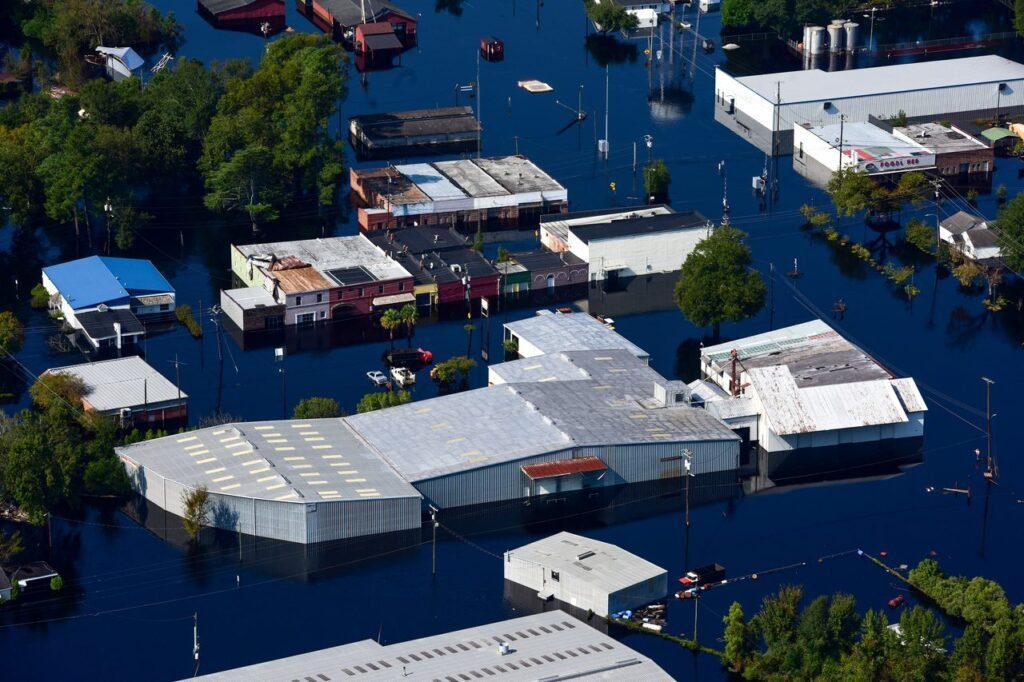
GSWSA notes that “in wet weather, storm-related runoff may leak into the sewer system,” and its hurricane advice is to “flush your commodes only when necessary until the storm passes.” Hurricane season runs June 1 to November 30.
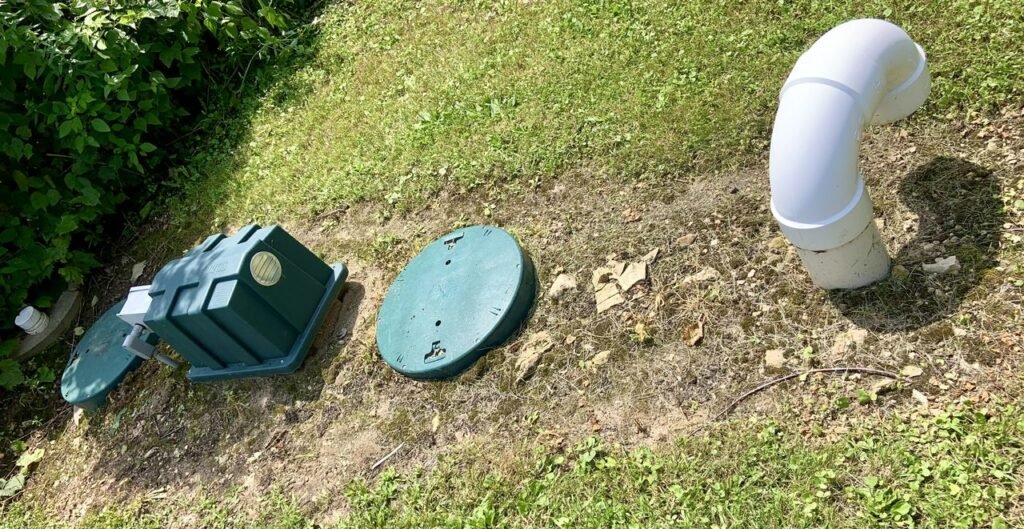
Grinder pump homes have less margin: GSWSA says a typical home unit “will not pump without power,” so keep water use to a minimum until power is back. See flood sewer backups during hurricanes and our grinder pump alarm guide.
How to prevent another sewer backup
- Backwater valve. South Carolina’s edition of the 2021 IRC (P3008.1) requires one where fixture flood-level rims “are below the elevation of the manhole cover of the next upstream manhole in the public sewer.” Surfside Beach’s flood guidance also tells residents to “Install check valves in sewer traps to prevent floodwater from backing up into the drains of your home.” More on backwater valve installation.
- Grease in the trash. Let cooking grease cool in a container and throw it away; it hardens in pipes.
- Only toilet paper in toilets. “Flushable” wipes, paper towels and feminine products do not break down like toilet paper.
- Roots under control with scheduled cleaning until the line is lined or replaced.
- A cap on every cleanout. A missing or broken cap can let rainwater, sand and debris into the line.
Sewer backup FAQ
Is the city or GSWSA responsible for a sewer backup?
It depends on where the blockage is. The utility handles its main and lateral, while in most GSWSA areas, and under GCWSD’s rules, owners are responsible from the house to the property line. City utilities set their own boundaries.
Does homeowners insurance cover sewer backup cleanup?
Often only if you added a water backup endorsement, and policies vary, so read yours. Photograph the damage before cleanup and call your insurer early.
Does flood insurance cover a sewer backup?
Sometimes. FloodSmart says an NFIP policy would cover water damage from a sewer that backed up during a heavy rainstorm, but not damage from a backup caused by clogged pipes.
What causes a sewer backup?
Usually a blockage in the building sewer or lateral: roots, grease, wipes, sand in a sag, or a broken pipe. When several homes back up at once, the public main or a pump station is the likely cause.
Why does my shower back up when I flush the toilet?
The shower is often the lowest drain, so when the line downstream is blocked, flushed water comes up there first. That usually points to a blockage in the main line out of the house.
Why do my drains back up when it rains?
Rain and high groundwater can get into sewer pipes through cracks, open joints and missing cleanout caps, and mains can run full in a storm. A camera inspection shows whether your line is letting water in.
Is it safe to clean up a sewer backup myself?
A small spill on a hard floor, yes: wear rubber boots, gloves and goggles, and use detergent once the drains flow. Soaked carpet, drywall or a large backup is a job for a cleanup company.
Related services

Emergency Sewer Repair
Sewage coming up? Active backups are scheduled first.
Learn more
Sewer Line Cleaning
Main line clogs cleared, then checked so they stay cleared.
Learn more
Sewer Camera Inspection
Video of the whole line, locate marks and a written summary.
Learn morePhoto credits (Wikimedia Commons): Emergency Sewer Repair: Senior Airman Megan Floyd/U.S National Guard, public domain.
Sewer or water line trouble?
Call for a camera inspection and a written quote.
Call for help with a sewer backup in Myrtle Beach, Conway or anywhere in Horry County.

Sewer and water line repair for Myrtle Beach, Conway and Horry County. Camera inspection first, written and itemized quotes, licensed plumbers.
Call (843) 429-6659