

Flood Sewer Backup in Myrtle Beach: Why Storms Push Sewage Into Homes
Flood sewer backup in Myrtle Beach: why storms push sewage into homes, what to do before, during and after, and safe cleanup.
Photo: Senior Airman Megan Floyd/U.S National Guard, public domain, via Wikimedia Commons
Storms push sewage into homes when the sewer fills faster than it can drain: rain and groundwater leak into the pipes, pump stations lose power, and surge or river water spreads over streets and yards, so sewage rises until it escapes through the lowest drain in the house. In Myrtle Beach, Conway and the rest of Horry County, call your utility first when that happens; Myrtle Beach Sewer Line Repair handles the private line once the utility’s side checks out.
Call (843) 429-6659 if the utility has checked its side and sewage is still coming up in your home; active backups are scheduled first.
Call nowFlood sewer backup signs and what to do

| What you see | Likely cause | What to do |
|---|---|---|
| Toilets gurgle or drains slow while it pours | Mains filling with stormwater | Cut water use and flush only when necessary |
| Sewage at a shower, tub or floor drain, and neighbors have it too | Main or pump station overloaded | Stop all water use and call the utility |
| Power out at a home with a grinder pump | The pump cannot run; its tank holds about 70 gallons | Use as little water as possible until power returns |
| Backup in your house only, after the water goes down | Sand, silt or a break in your own line | Utility check first, then a camera inspection |
| Missing or cracked cap on the yard cleanout | An open hole into your sewer line | Replace the cap; never use it to drain a flooded yard |
Why do floods cause sewer backups?
A sewer is sized for wastewater, not for a hurricane. When storm and groundwater get in or a pump station stops, the pipes fill and sewage rises until it finds an outlet, such as a house drain lower than the street’s manholes.
- Stormwater inflow. GSWSA’s smoke-testing guide explains that in wet weather, runoff leaks in through manholes and pipe defects, adding flow the system was not designed to handle and risking overflows.
- Groundwater infiltration. NRCS soil data puts the water table within 2 feet of the surface, at least part of the year, on roughly four in five acres of Horry County. When the ground is saturated, water seeps into cracked pipe and open joints and can carry sand and silt in with it.
- Pumps without power. On flat ground, sewage often depends on pumps. GSWSA asks residents to report a pump station alarm to (843) 234-8460, and a home grinder pump, which holds about 70 gallons, will not pump without power.
- Surge and river flooding. When surge or the Waccamaw River covers streets and yards, floodwater can pour into manholes and cleanouts, and treatment plants can be overwhelmed too.
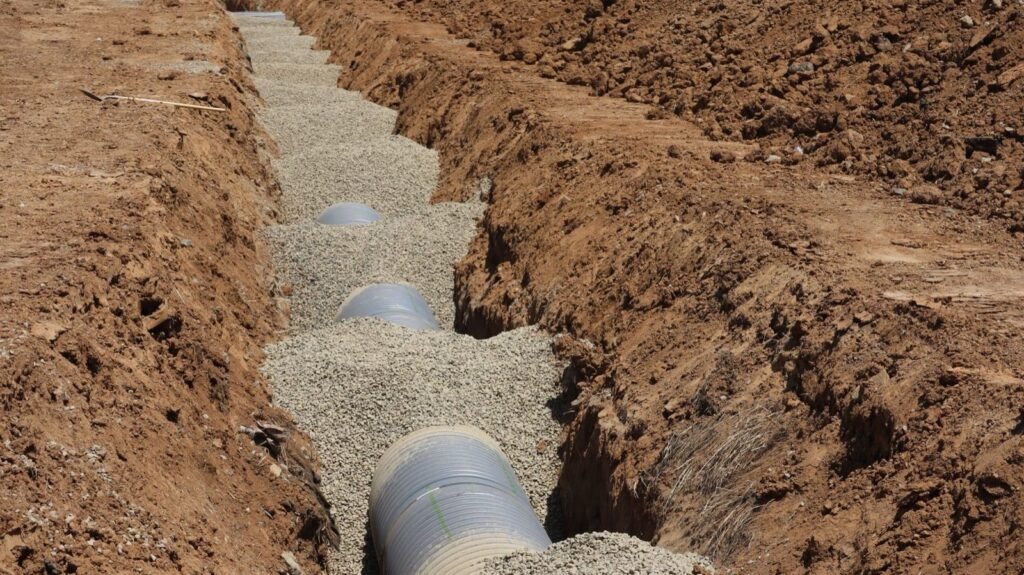
Grand Strand storms that flooded homes and sewers

Horry County’s 2026 hazard mitigation plan lists federal declarations for storms from Hugo in 1989 to Debby and Helene in 2024. National Weather Service reports show what recent storms did here:
| Storm | What happened locally |
|---|---|
| Florence, 2018 | The Waccamaw River at Conway crested at a record 21.16 feet, more than three feet above its Matthew crest, and nearly 1,000 homes and businesses near the river flooded. On September 26, raw sewage flowed from the Conway Wastewater Treatment Plant into a tributary of the Waccamaw. A station near Loris recorded 23.63 inches of rain, a South Carolina tropical cyclone record. |
| Matthew, 2016 | The Waccamaw near Conway crested at 17.87 feet, a record at the time, and flooding spread along the Intracoastal Waterway into Socastee. |
| Ian, 2022 | Ian brought a 3 to 6 foot storm surge. In Garden City, surge breached the dunes and left debris lines about 4 feet above ground in the first floors of some beachfront homes, and upwards of three feet of sand was deposited on South Waccamaw Drive. |
| Debby, 2024 | Up to 19.03 inches of rain fell along the Waccamaw in Horry County. The river near Conway crested at 14.9 feet almost two weeks after the storm. |
| October 2025 coastal storm | During king tides, significant flash flooding hit parts of Horry and Georgetown counties on October 12, with rescues from vehicles. |
Florence also sent up to three feet of water into homes at Aberdeen Country Club in Longs and the Bradford Creek neighborhood off Highway 544, and the Silver Fox Landing development near the Waterway had water up to eight feet deep. Horry County Emergency Management counted 361 damaged homes in Conway alone.
Debby carries the lesson for inland homes: the Waccamaw can crest almost two weeks after the rain stops, so sewer trouble near the river can outlast the storm.
Before the storm: protect your drains
Hurricane season on the Grand Strand runs June 1 to November 30, according to GSWSA. Before a storm is named:
- Save your utility’s number. GSWSA backups: (843) 234-8460, or (843) 443-8200 after hours. GCWSD (Murrells Inlet) after hours: (843) 546-8408. Loris: City Hall at (843) 756-4004, option 2 after hours. North Myrtle Beach: 843-280-5500. Myrtle Beach and Conway: the number on your city utility bill.
- Check the yard cleanout cap. Replace it if it is missing or cracked; an open cleanout lets floodwater and sand into your line.
- Store water. GSWSA advises a gallon of drinking water per person per day for at least five days, plus about 25 gallons of sanitary water for a family of four; a filled bathtub works.
- Plan for the grinder pump. Its tank holds about 70 gallons, and the pump stops when the power does. Our grinder pump alarm guide explains what to do.
- Protect low fixtures. A backwater valve closes when the main pushes sewage back toward the house. The Town of Surfside Beach’s flood advice is to install check valves so floodwater cannot back up into your drains.
- Buy flood insurance early. FloodSmart says a new NFIP policy generally takes effect 30 days after purchase.
- Scope an older line. A sewer camera inspection before the season shows cracks, open joints and roots that let groundwater and sand in.

During the storm: use as little water as you can
GSWSA’s hurricane advice is to “flush your commodes only when necessary until the storm passes” and normal water and sewer service returns. Hold off on laundry, the dishwasher and long showers too.
- Grinder pump homes: in an outage, keep water use to the minimum. GSWSA warns that a pump without power raises the chance of sewer backing up inside the home.
- Watch the lowest drain. If sewage appears, stop all water use, keep everyone away and call the utility.
- Leave the cleanout cap on, even if the yard floods.
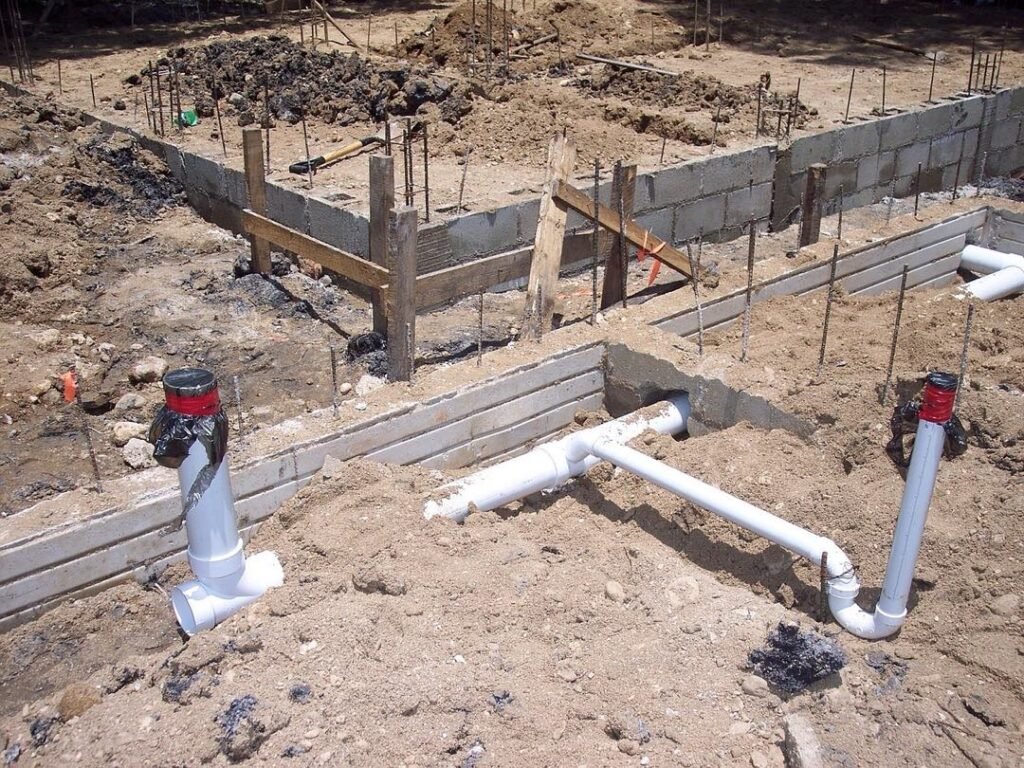
After the storm: who to call and what to check
Call the utility before you call a plumber. GSWSA’s rule is “Call GSWSA before you call your plumber,” and its crews check backups at any hour at no charge, then fix the problem if it is on GSWSA’s side.
- Photograph everything before you clean: water lines on walls, damaged floors and belongings, and the cleanout.
- Let the utility check its side. If neighbors back up too, the main or a pump station is the likely cause.
- If only your house backs up, the blockage is probably in your line. Sand, silt and debris can wash into a cracked or open line, and saturated ground can shift pipe.
- Scope before you replace. A camera shows whether the line needs cleaning or repair; our page on sewer line repair in Myrtle Beach explains the repair options.
Sewer backup cleanup: safety basics
Treat anything sewage touched as contaminated. CDC’s cleanup guidance calls for rubber boots, rubber gloves and goggles when sewage is involved, and for drying the home within 24 to 48 hours if possible. This is general guidance; for a large backup, talk to your insurer before you start.
- Keep children and pets out until cleanup is finished.
- Mind the power. CDC says to turn off power at the main breaker if circuits got wet, but never to switch power or use electric tools while standing in water.
- Throw out what you cannot clean and dry quickly, such as mattresses, carpet and padding, rugs and upholstered furniture, and remove drywall and insulation soaked by sewage or floodwater.
- Disinfect hard surfaces. Never mix bleach with ammonia or any other cleaner, and never use bleach in a closed space.
- Skip chemical drain openers. They will not clear a flooded main and can splash back on you; never mix two products.
- Wash up with soap and water when you finish, and wash work clothes separately in hot water and detergent.
Does insurance cover a flood sewer backup?
It depends on the cause. FloodSmart says an NFIP flood policy covers water damage from a sewer that backed up during a heavy rainstorm, but not damage from a backup caused by clogged pipes, and most homeowners policies do not cover flood at all.
- Homeowners policies: the National Association of Insurance Commissioners lists sewer backup among common optional add-ons, so ask your agent whether yours includes it.
- Outside the house: NFIP does not cover property outside the building, such as landscaping or septic systems.
- GSWSA customers: its optional Service Line Maintenance plan reimburses damage caused by an enrolled customer’s service line, including backups in lines outside the building.
- GCWSD customers: the district’s 2022 protection plan terms exclude natural disasters.
Once the utility clears its side, our sewer backup service page explains how we find and fix the problem in your line.
Flood sewer backup FAQ
Why does sewage come up my drains when it floods?
Stormwater and groundwater get into the sewer, pump stations can lose power, and the pipes fill. Sewage then rises until it finds an outlet, and a shower, tub or floor drain lower than the street’s manholes is often the first one.
Who do I call when sewage backs up during a storm?
Your utility first. In GSWSA areas call (843) 234-8460, or (843) 443-8200 after hours; GSWSA investigates backups at no charge and fixes problems on its side. Elsewhere, call your city, or GCWSD at (843) 546-8408 in Murrells Inlet.
Should I flush the toilet during a hurricane?
Only when necessary. GSWSA asks customers to flush only when necessary until the storm passes and normal water and wastewater service returns.
What happens to a grinder pump when the power goes out?
It stops. GSWSA says a typical home pumping unit holds about 70 gallons and will not pump without power, so use as little water as possible until power is back.
Does flood insurance cover sewer backup?
Sometimes. FloodSmart says an NFIP policy covers water damage from a sewer that backed up during a heavy rainstorm, but not from a backup caused by clogged pipes.
Can I clean up a sewer backup myself?
A small, contained spill, yes, wearing rubber boots, rubber gloves and goggles, with children and pets kept away. Dry the area within 24 to 48 hours if possible and throw out porous items you cannot clean and dry quickly.
Keep reading
Related guides
Backwater Valve Installation in Myrtle Beach: Do You Need One?
What a backwater valve does, when South Carolina’s code requires one, slab vs elevated homes, installation and upkeep.
Read guide
Grinder Pump Alarm Going Off? What to Do in Myrtle Beach and Horry County
Grinder pump alarm going off? What it means, the first steps, GSWSA’s power outage advice and who to call in Myrtle Beach and Horry County.
Read guide
Sewer Cleanout Cap: How to Find Your Sewer Cleanout in Myrtle Beach
Sewer cleanout cap: where to find it on a Grand Strand home, what it looks like, how to open it safely and when to add one.
Read guidePhoto credits (Wikimedia Commons): Grinder Pump Alarm Going Off? What to Do in Myrtle Beach and Horry County: Jung Pumpen GmbH, CC BY-SA 4.0.
Sewer or water line trouble?
Call for a camera inspection and a written quote.
Call when the storm has passed and your drains still back up; we start with a camera inspection and a written quote.

Sewer and water line repair for Myrtle Beach, Conway and Horry County. Camera inspection first, written and itemized quotes, licensed plumbers.
Call (843) 429-6659