
Septic vs Sewer in Horry County: How to Tell and When to Switch
Septic vs sewer in Horry County: how to tell which you have, SC DES repair rules, GSWSA connection fees and what switching to sewer involves.
Septic vs sewer comes down to where your wastewater goes: into a tank and drain field on your own lot, or through a lateral to a public main run by GSWSA or a city. In Horry County, a sewer charge on your bill means public sewer, and South Carolina won’t allow a failing septic system to be repaired or replaced where sewer is accessible for connection. Myrtle Beach Sewer Line Repair fixes house-to-tank lines and connects homes to sewer when it arrives.
Call (843) 429-6659 to trace your line with a camera or plan a septic-to-sewer connection.
Call nowHow to tell if you have septic or sewer
Check your bill: a sewer charge from GSWSA or the City of Myrtle Beach, North Myrtle Beach, Conway or Loris means public sewer, and no sewer charge usually means septic. A water bill alone proves nothing, so confirm it on the ground.
- Read the bill closely. In Briarcliffe Acres, the City of Myrtle Beach maintains the water lines, yet most homes are on septic.
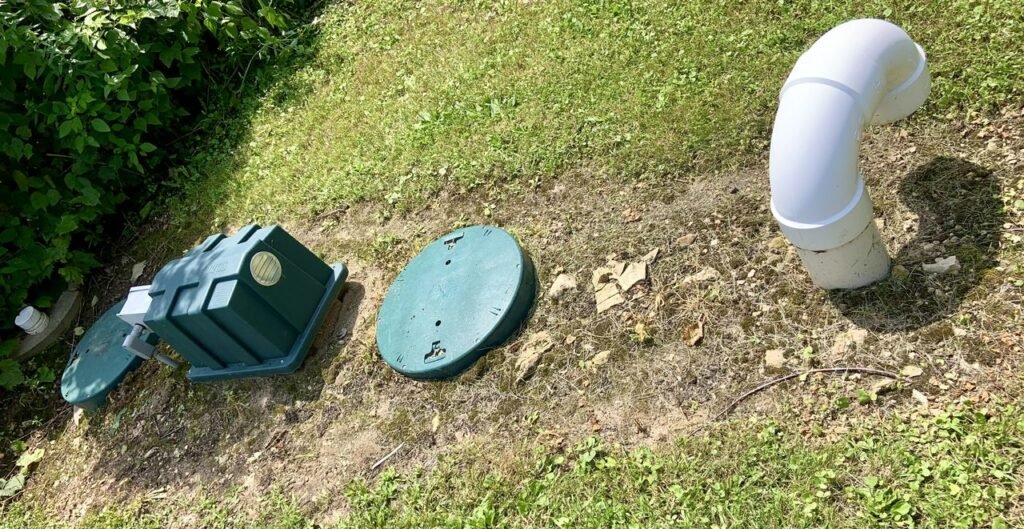
- Walk the yard. Tank lids, risers or an open, treeless patch where a drain field could sit point to septic, though lids are sometimes buried.
- Follow the cleanout. Sewer laterals head toward the street, and GSWSA’s standards put a cleanout at the property line on newer connections. A line turning toward the backyard often ends at a tank.
- Check the paperwork. Purchase disclosures and septic permits from SC DES (formerly DHEC) usually name the system.
- Trace it. A sewer camera inspection with a locator follows the pipe to a tank or a main. SC811 doesn’t mark private lines, so the locator is how yours gets marked.
Already on sewer with a slow or backed-up line? That’s a job for sewer line repair in Myrtle Beach.
Septic vs sewer at a glance
| Topic | Public sewer | Septic system |
|---|---|---|
| Where wastewater goes | Through your lateral to a public main and treatment plant | Into your tank, then out to your drain field |
| Who you pay | GSWSA or your city, monthly | No sewer bill; you pay for pumping and repairs |
| What you maintain | In most GSWSA areas, the pipe from the property-line connection to the house | The whole system: tank, lids, piping, gravel and any pump |
| Who may do the work | A state-licensed plumber for jobs over $500, or the owner-occupant | An SC DES-licensed installer, or the owner at their own home |
| Routine upkeep | Keep grease and wipes out; clean the line when it slows | Pumping every three to five years, per DHEC guidance cited by Briarcliffe Acres; state law doesn’t require it |
| When it fails | Repair or replace the pipe | Where sewer is accessible, connect instead of repairing |
Ownership of a sewer lateral differs by utility; our guide to who is responsible for sewer line repair compares them.
What South Carolina’s septic rules say
Septic systems fall under regulation R.61-56, enforced by the SC Department of Environmental Services (SC DES), which took over from DHEC on July 1, 2024. Four parts matter most:
- No repairs where sewer is accessible. A failing system may not be repaired or replaced where a wastewater treatment facility is accessible for connection, and the same goes for new permits. Ask SC DES and your utility whether that applies to your lot.
- Notify SC DES first. Owners must notify the agency before relocating or replacing a system or any part of it, and it may require a permit to construct and an approval to operate.
- Licensed work. Building or repairing a system takes an SC DES installer license unless you’re working on your own home, and pumping takes a pumper/hauler license.
- Room above the water. Systems up to 1,500 gallons a day need at least 6 inches between the deepest effluent and the saturated zone, plus setbacks such as 75 feet from a private well or the tidal critical-area line and 25 feet from drainage ditches.
Why septic struggles in Horry County soil
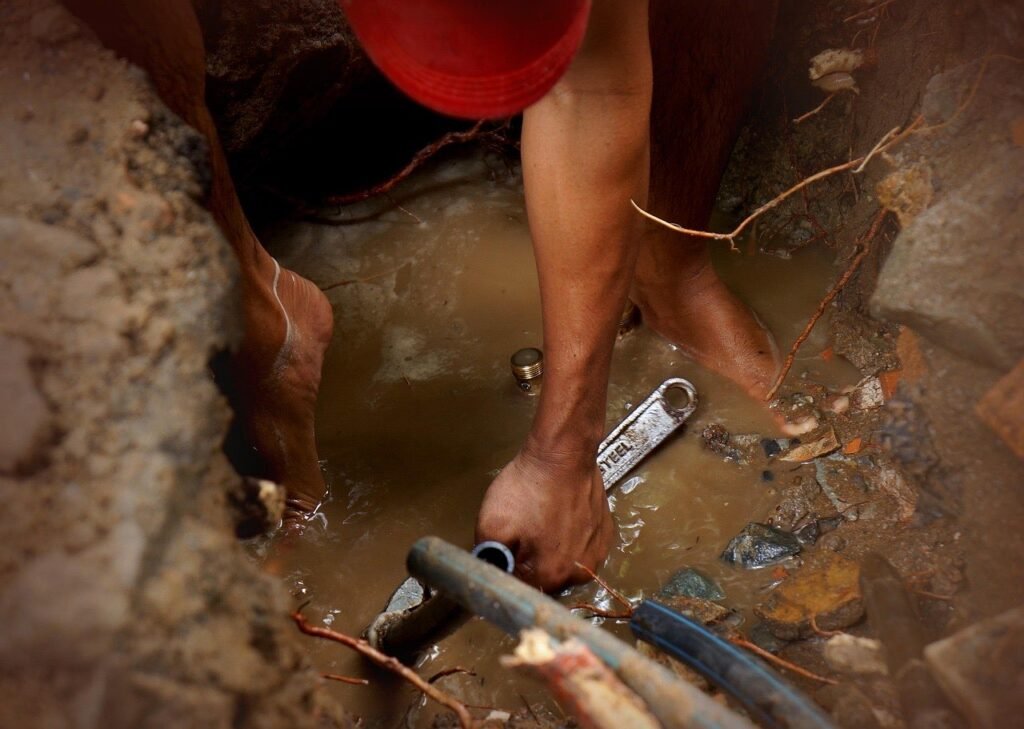
Because the ground stays wet. The USDA Natural Resources Conservation Service (NRCS) rates 97.8% of rated Horry County soil acreage “very limited” for septic absorption fields, with depth to the saturated zone the limiting factor on 93.8%.
NRCS data put the water table within about 2 feet of the surface on 79.5% of the county’s mapped acreage at its shallowest point in the year, and only 14.7% of the county is well or excessively drained. Against the state’s 6-inch rule, that leaves many lots little room for a drain field. GSWSA’s rural sewer page says the same: residents struggled with failing septic systems, and some couldn’t build on land unsuitable for septic.
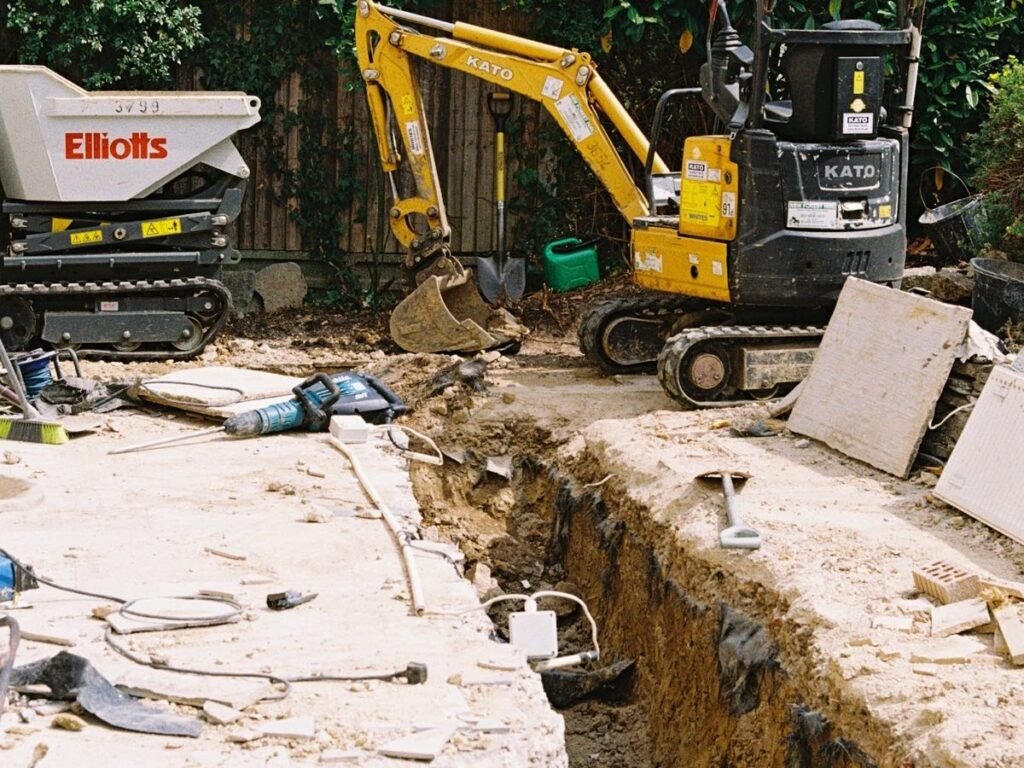
How common is septic in Horry County?
The latest official count is from 1990, when 21,377 of Horry County’s 89,960 homes (23.8%) used a septic tank or cesspool and 75.4% had public sewer, according to the Census Bureau. That was the last census to ask, so no official figure shows how many homes use septic today.
Georgetown County was at 39.3% septic that year and South Carolina at 40.6%. Horry County has since grown to 217,419 housing units (American Community Survey, 2020-2024), and septic remains the norm in places such as Briarcliffe Acres.
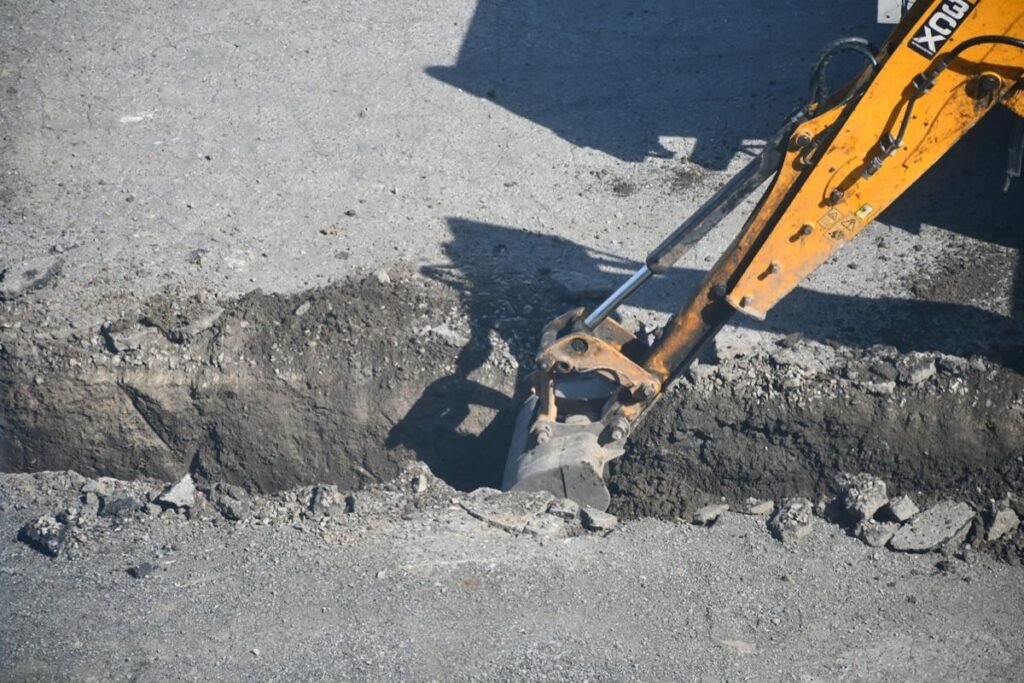
Briarcliffe Acres: a local septic-to-sewer example
The town’s 2025 comprehensive plan says most homes are on individual septic systems, which is why it requires large lots for drain fields. After almost ten years of deliberation, a Municipal Improvement District (Ordinance 2016-06) brought City of Myrtle Beach sewer to 11 parcels in 2017. Floodplain homes on Ocean View Drive, Palmetto Lane and Beach Drive had five years to connect, or less if their septic failed, and all are now connected, through grinder stations and a sewer line the city installed. A past estimate for town-wide sewer came to $4.7 million. More on sewer line repair in Briarcliffe Acres.
Switching from septic to sewer
Start with the utility. In unincorporated Horry County that is usually GSWSA, whose Rural Water and Sewer Program describes sewer as “an alternative to the headaches of septic systems.” Its Community Services Coordinator, at (843) 443-8200, can tell you whether a main can reach your lot.
- Confirm service and fees with GSWSA or your city, including whether the lot can drain by gravity.
- Notify SC DES before abandoning or replacing any part of the septic system, and ask what it requires for the old tank.
- Permit and locates. We pull the permit, request SC811 locates for public utilities and mark your private line with the camera’s locator.
- Lay the new line. GSWSA calls for Schedule 40 PVC beyond the property line, 36 inches to 4 feet deep, with cleanouts at most 75 feet apart, at bends over 45 degrees, 5 feet from the building and at the property line. Muck or quicksand in the trench is replaced with crushed stone.
- Inspect and restore. GSWSA inspects the connection, then the trench is backfilled and the yard restored.
When gravity won’t work. Lots too low or too far from a main may need a pump. GSWSA’s standards include residential grinder pump stations and STEP (septic tank effluent pump) systems, and a pressure connection to a force main can need its own SC DES construction permit. Grinder pumps bring an alarm and rules of their own; see what a grinder pump alarm means. Until sewer reaches you, our septic line repair work covers the pipe from the house to the tank.
Septic to sewer conversion cost
Utility fees are the one part of the bill published locally; GSWSA’s sewer fees come to $3,835, and some areas add a supplemental impact fee.
| Published fee | GSWSA | GCWSD (Murrells Inlet, 2026-27) |
|---|---|---|
| Sewer impact fee | $2,735 per unit | $1,893 per unit |
| Sewer tap or service fee | $1,020 tap | $120 administrative fee |
| Sewer connection inspection | $80 | Not listed |
| Water, if also needed | $1,225 impact, $790 tap, $630 meter base | $1,169 impact, $1,561 for a 3/4-inch tap |
The cities of Myrtle Beach, North Myrtle Beach, Conway and Loris set their own fees. HomeAdvisor’s June 2026 sewer line installation guide says switching from septic to sewer runs around $6,000 or more nationally, before local fees. The private side depends on the lot: the length and depth of the new line, driveways or landscaping to restore, groundwater in the trench, any grinder pump or STEP system, the permit and whatever SC DES requires for the old tank. We price it in a written, itemized quote after a camera inspection, and our sewer line replacement cost guide explains what drives a new line’s cost.
Septic vs sewer FAQ
How do I know if my house is on septic or sewer in Horry County?
Check your bill: a sewer charge from GSWSA or a city utility means public sewer. If no one bills you for sewer, look for tank lids, check your purchase paperwork or have the line traced with a camera.
Can I repair my septic system if sewer is available?
Not if the system is failing and sewer is accessible for connection. SC DES rules bar repairing or replacing a failing system in that case, so the fix is connecting to sewer.
How much does it cost to switch from septic to sewer in Horry County?
GSWSA’s published sewer fees total $3,835 (impact fee, tap and inspection) before any supplemental impact fee. The new private line, any grinder pump or STEP system and work on the old tank are extra and vary by lot; HomeAdvisor’s June 2026 guide puts the switch at around $6,000 or more nationally, before utility fees.
Do I need a permit to fix a septic system in South Carolina?
You must notify SC DES before relocating or replacing a system or its parts, and it may require a permit. The work needs an SC DES-licensed installer unless you’re doing it at your own home.
Is Briarcliffe Acres on septic or sewer?
Mostly septic. Since 2017, 11 parcels in a Municipal Improvement District have been on City of Myrtle Beach sewer through grinder stations.
Keep reading
Related guides
Backwater Valve Installation in Myrtle Beach: Do You Need One?
What a backwater valve does, when South Carolina’s code requires one, slab vs elevated homes, installation and upkeep.
Read guide
Grinder Pump Alarm Going Off? What to Do in Myrtle Beach and Horry County
Grinder pump alarm going off? What it means, the first steps, GSWSA’s power outage advice and who to call in Myrtle Beach and Horry County.
Read guide
Sewer Cleanout Cap: How to Find Your Sewer Cleanout in Myrtle Beach
Sewer cleanout cap: where to find it on a Grand Strand home, what it looks like, how to open it safely and when to add one.
Read guidePhoto credits (Wikimedia Commons): Grinder Pump Alarm Going Off? What to Do in Myrtle Beach and Horry County: Jung Pumpen GmbH, CC BY-SA 4.0.
Sewer or water line trouble?
Call for a camera inspection and a written quote.
Call to trace your line or plan a septic-to-sewer connection anywhere in Horry County.

Sewer and water line repair for Myrtle Beach, Conway and Horry County. Camera inspection first, written and itemized quotes, licensed plumbers.
Call (843) 429-6659