

Sewer Smell in Your House: Causes and Fixes in Myrtle Beach
Sewer smell in your house? Dry traps, wax rings, vents, cleanout caps and cracked pipes, how to check each, and when to call.
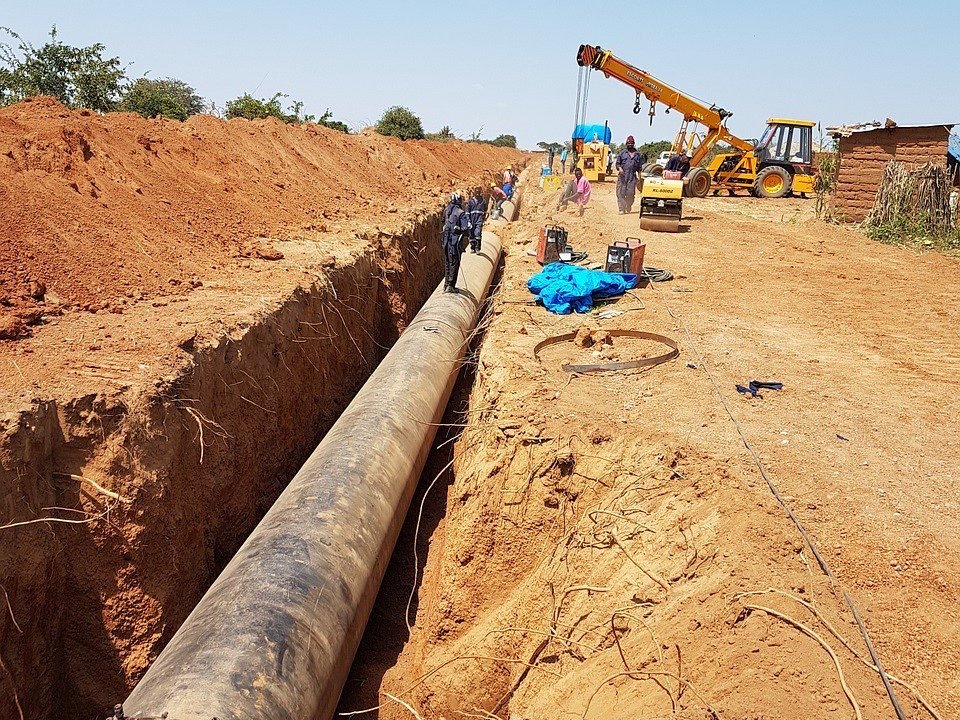
Photo: Elisa.rolle, CC BY-SA 4.0, via Wikimedia Commons
A sewer smell in the house means sewer gas is slipping past something that should block it, usually a dried-out drain trap, a failed toilet wax ring, a blocked or cracked vent, a loose cleanout cap or a cracked drain line. You can check the first three yourself in an afternoon. If the smell keeps coming back, Myrtle Beach Sewer Line Repair finds the source with a camera inspection, in Myrtle Beach and across the Grand Strand.
Call (843) 429-6659 if a sewer smell keeps coming back and you want the source found.
Call nowIs sewer gas dangerous?
It can be, so treat a strong or lasting smell seriously. OSHA lists “sewer gas” as another name for hydrogen sulfide, the rotten-egg gas, and calls it extremely flammable and highly toxic. Its exposure table links even low levels, breathed for long periods, to headaches, nausea and eye irritation.
At high concentrations it can deaden your sense of smell within minutes, so a fading smell is not proof the gas is gone.
- Get everyone outside and call 911 if anyone feels dizzy, faint or short of breath.
- Smell it near a gas appliance? Gas companies add a rotten-egg odorant to natural gas, so it may be a gas leak. State utility regulators advise leaving without touching light switches and calling the gas company or 911 from outside.
- Otherwise, open windows, keep flames away and work through the checks below.
Why does my house smell like sewer?
Find where the smell is strongest, then match it to the table. GSWSA’s smoke testing guide names the same weak points we look for: a drain trap that has dried out, a washing machine drain with no trap, a cracked pipe, or a disposal or dishwasher that was not installed correctly.
| Where you smell it | Likely cause | What to try first |
|---|---|---|
| A spare shower, guest bath or floor drain | Dry trap | Run water for a minute |
| Around the base of a toilet | Failed wax ring or a loose toilet | Check for rocking, stains or water at the base |
| Sinks gurgle, or the smell follows a flush | Blocked or damaged vent, or a stuck air admittance valve | Check the roof vents from the ground |
| The laundry room when the washer drains | Washer standpipe with no trap | Look for a U-shaped trap below the standpipe |
| Under the kitchen sink | Dishwasher or disposal connection that bypasses the trap | Check that both connect above the trap |
| Outside near the foundation or over the yard | Missing or cracked cleanout cap, or a broken sewer line | Find the cleanout and check the cap |
| Through the house, with slow drains or gurgling | Partial clog, or a cracked drain or sewer line | Camera inspection |
Dry traps in vacation homes, rentals and spare bathrooms
Every drain has a trap, a U-shaped bend that holds a plug of water between your house and the sewer. The residential code South Carolina uses (the 2021 IRC) calls for a water seal of 2 to 4 inches in each fixture trap. Leave a drain unused for weeks and that water evaporates, so sewer gas comes straight up.
That matters on the Grand Strand: the U.S. Census Bureau (ACS 2020-2024) counts 48% of North Myrtle Beach homes and about 19% of all Horry County homes as seasonal or recreational. Spare showers and garage floor drains dry out in year-round homes too.
GSWSA’s advice is to run water in rarely used drains monthly. For a second home or a rental:
- Run every sink, tub and shower for about a minute when you arrive, and flush every toilet.
- Pour a few cups of water into floor drains and the washer standpipe.
- Ask your property manager or cleaner to do the same on each visit.
- If a floor drain keeps drying out, ask about a trap primer or barrier-type seal, which the code accepts for traps prone to evaporation.
If the smell is gone within a day, the trap was the problem.
Wax rings, vents and cleanout caps
When the traps are full and the smell stays, a seal somewhere else has failed.
- Toilet wax ring. The ring seals the toilet to the flange in the floor. A toilet that rocks, or a stain or seep at the base, means the seal is broken; resetting it on a new ring, and fixing a loose flange, stops the smell.
- Plumbing vents. Vents let air into the drain pipes so draining water does not siphon the traps dry, and they carry sewer gas out above the roof. In GSWSA smoke tests, smoke rising from roof vents is the healthy result. A vent blocked by leaves or a nest can make drains gurgle, and a cracked vent pipe in a wall or attic leaks gas indoors.
- Air admittance valves. These one-way vent valves, often under kitchen island sinks, should stay shut except when letting air in. One that sticks open lets odor into the cabinet.
- Cleanout caps. A missing or cracked cap on the outdoor cleanout lets sewer gas out next to the house and rainwater in. Our guide on how to find your sewer cleanout shows where it is and what the cap looks like.
Simple checks you can do safely
Work through these in order, and stop at any step that ends the smell.
- Refill every trap. Run water in each fixture, floor drain and the washer standpipe, then wait a day.
- Check each toilet. Push gently against the bowl with your knee and look for water or stains at the base.
- Look under sinks. Each sink needs a trap, tight slip nuts and a secure dishwasher hose.
- Walk outside. Check that the cleanout cap is on and intact, and look for soggy or smelly ground over the line.
- Check the vents from the yard. Binoculars help. Do not climb onto the roof.
Skip drain chemicals and air fresheners. They do not fix a broken seal, and mixing drain products can release toxic gas.
When do you need a sewer camera inspection?
Book a camera inspection when the smell survives the simple checks, comes with slow drains or gurgling, gets worse after heavy rain, or shows up outside over the sewer line. Those signs point to a crack, an offset or root-filled joint, or a broken section that only a camera can see.
We feed the camera in through the cleanout and record the line toward the street. Its locator lets us mark each defect’s location and depth on the ground, which matters because SC811 marks only public utility lines, not your private sewer line. You get the video and a written, itemized quote. See how a sewer inspection works.
Age is a clue: the Census Bureau counts 56% of Loris homes and 32% of Conway homes as built before 1980, when clay, cast iron and Orangeburg fiber lines were commonly used.
If the smell comes with a backup, see our guide to a main sewer line clog. If sewage is coming up into the house, call your sewer utility before a plumber. GSWSA’s rule is “Call GSWSA before you call your plumber”: (843) 234-8460, or (843) 443-8200 after hours, and it investigates backups at no charge.
What GSWSA smoke testing tells you
GSWSA uses smoke testing to find cracks and broken joints where storm runoff leaks in during wet weather, in both the main and the service laterals that connect to homes. A crew of three or four, with identification and marked vehicles, blows smoke into a manhole and watches where it comes out.
- The smoke itself. GSWSA says it is not harmful to people, pets or plants and is not flammable. It can set off a smoke alarm; open windows, and GSWSA says to call 911 if you have any doubt.
- Smoke inside means a gap, usually a dry trap, an untrapped washer drain or a cracked pipe. GSWSA’s warning is plain: “if smoke can enter your home then dangerous sewer gases can also.” A crew member will help you find where it got in.
- Who fixes what. GSWSA says it “will generally make all repairs found even on the customers service lateral.” Plumbing inside the building is generally the owner’s to fix.
- Questions: GSWSA’s smoke testing line is 843-234-8473.
Other sewer utilities, from the City of Myrtle Beach to GCWSD in Murrells Inlet, may test differently, so ask yours.
When to call a plumber
- The smell is still there a day or two after every trap has been refilled.
- A toilet rocks or leaks at the base.
- Drains gurgle, several fixtures are slow, or the smell follows heavy rain.
- You smell sewage outside, see wet ground over the line, or the cleanout cap is broken.
- A smoke test put smoke inside your home.
Every job is done by licensed plumbers covered by liability insurance. Once the cause is known, see your options for sewer line repair in Myrtle Beach.
Sewer smell FAQ
Why does my house smell like sewer only sometimes?
An on-and-off smell usually comes from a trap that dries out between uses, a partly blocked vent, or a toilet seal that leaks only when the toilet is flushed. The timing usually points to the cause.
Can a sewer smell make you sick?
It can. OSHA links prolonged exposure to hydrogen sulfide, which it also calls sewer gas, to headaches, nausea and eye irritation, even at low levels. Get fresh air, and call 911 if anyone feels dizzy or faint.
Why does my vacation home smell like sewer when I arrive?
The drain traps most likely dried out while the house sat empty. Run water in every fixture and floor drain; GSWSA recommends running water in rarely used drains monthly.
Does a sewer smell mean my sewer line is broken?
Not usually. Dry traps, wax rings and vents cause many sewer smells. A smell that survives those checks, or comes with slow drains, calls for a camera inspection.
Keep reading
Related guides
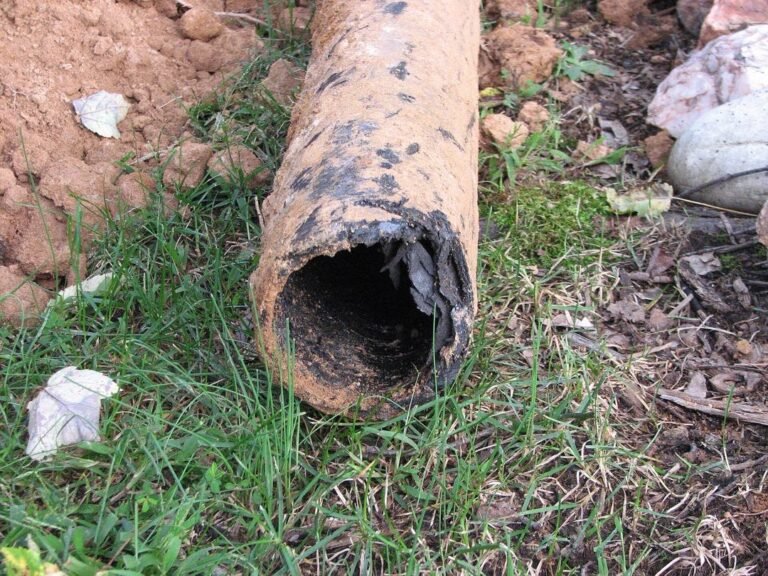
Orangeburg Pipe and Cast Iron Sewer Pipe in Myrtle Beach Homes: How They Fail and What Replaces Them
Orangeburg pipe and cast iron sewer pipe: how each fails, what lifespan sources say, and how to tell what is under a Grand Strand home.
Read guide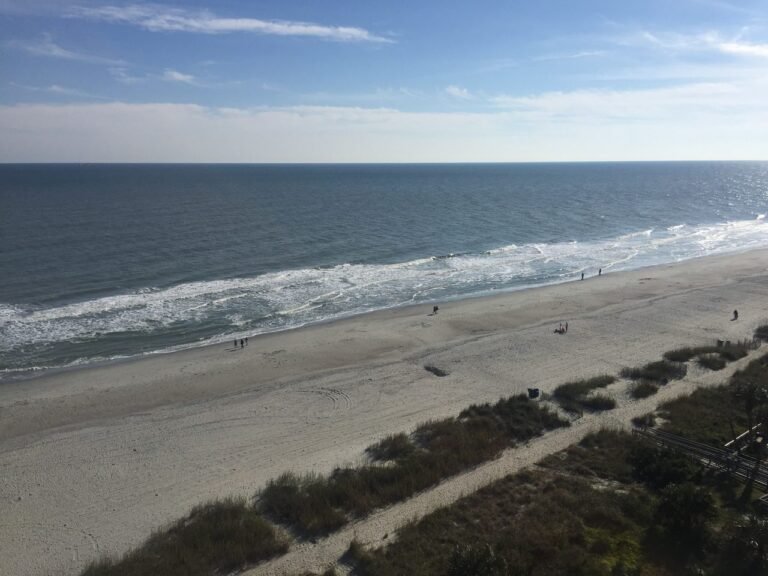
Why Sewer Lines Fail on the Grand Strand: Water Table, Sand, Storms and Age
Why sewer lines fail on the coast: Grand Strand water tables, sand, corrosive soil, storms and older pipe, and what a camera inspection shows.
Read guide
Sewer Scope Inspection Cost: Should You Get One Before Buying a Myrtle Beach Home?
Sewer scope inspection cost, who should get one before buying a Grand Strand home, and how to negotiate a sewer repair.
Read guidePhoto credits (Wikimedia Commons): Orangeburg Pipe and Cast Iron Sewer Pipe in Myrtle Beach Homes: How They Fail and What Replaces Them: thurdl01 (Flickr), CC BY 2.0; Why Sewer Lines Fail on the Grand Strand: Water Table, Sand, Storms and Age: 28bytes, CC BY-SA 4.0.
Sewer or water line trouble?
Call to have a lasting sewer smell traced to its source.
Camera inspection first, written and itemized quotes, and trenchless options where they fit.

Sewer and water line repair for Myrtle Beach, Conway and Horry County. Camera inspection first, written and itemized quotes, licensed plumbers.
Call (843) 429-6659