
Why Sewer Lines Fail on the Grand Strand: Water Table, Sand, Storms and Age
Why sewer lines fail on the coast: Grand Strand water tables, sand, corrosive soil, storms and older pipe, and what a camera inspection shows.
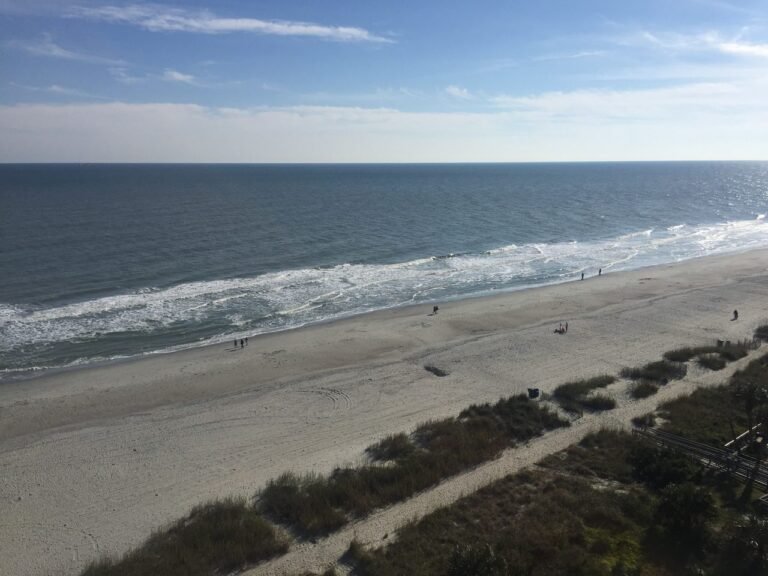
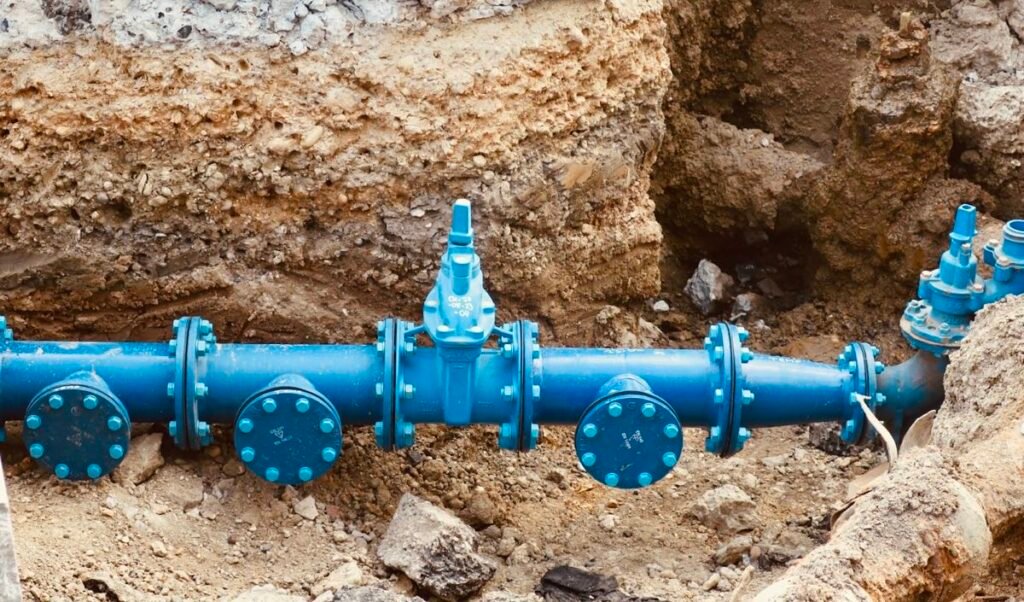
Photo: 28bytes, CC BY-SA 4.0, via Wikimedia Commons
Sewer lines on the Grand Strand fail for coastal reasons. Groundwater rises to within 2 feet of the surface across about four in five acres of Horry County, sand and muck let pipe settle, most of the county’s soil is rated high risk for corroding concrete and bare steel, and storms push water and sand into the system. Older homes may also still have clay, cast-iron or Orangeburg pipe. That’s why Myrtle Beach Sewer Line Repair starts every job with a camera inspection: you see which problem your line has before anyone digs.
Call (843) 429-6659 to book a camera inspection and see what’s happening inside your line.
Call nowWhy sewer lines fail on the coast: the short answer
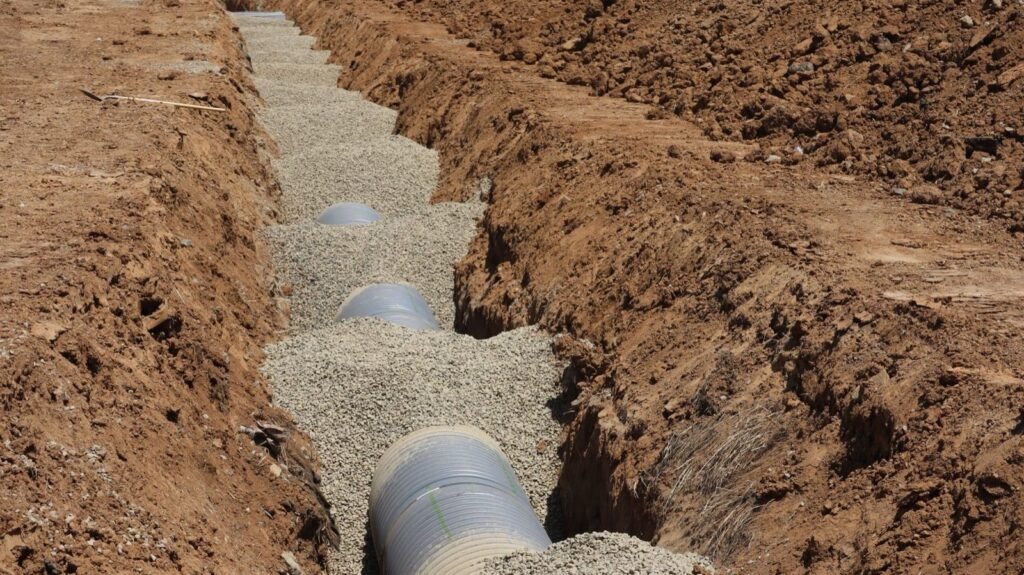
Water, ground and age. A high water table seeps into cracked pipe, soft and sandy ground lets pipe settle, corrosive soil attacks metal and concrete, floods overload lines, and older homes still have pipe materials that don’t hold up. Each leaves a different signature on camera.
| Local condition | What it does to a sewer line | What the camera often shows |
|---|---|---|
| High water table | Groundwater seeps in through cracks and open joints, carrying sand and silt | Water trickling in at joints; sand on the pipe floor |
| Soft, sandy or mucky ground | Pipe without firm bedding settles unevenly | Bellies holding water; offset joints |
| Corrosive soil | Eats at cast iron, steel and concrete from the outside | Rust, scale and holes |
| Storms and flooding | Floodwater and sand get into broken pipe and overload the line | Fresh sand, silt and debris |
| Older materials | Clay joints admit roots, fiber pipe deforms, cast iron scales | Roots, flattened pipe, heavy scale |
High water table and groundwater infiltration
On much of Horry County’s land, sewer laterals sit in or near groundwater for part of the year. NRCS soil data put the water table within about 2 feet of the surface on 79.5% of the county’s mapped acreage at its shallowest point in the year, and within about 1 foot on 56.4%, while GSWSA’s standards bury new laterals 36 inches to 4 feet deep.
Sound pipe keeps that water out. A cracked pipe or an open joint lets it in, and it often brings fine sand and silt that settle in the line and slow it down. Drainage doesn’t help: NRCS rates 60.2% of the county poorly, very poorly or somewhat poorly drained.
GSWSA treats infiltration as a defect. Its standards require watertight joints in new public sewers and cap groundwater leakage at 200 gallons per mile of pipe per inch of diameter per day, or 1,600 gallons a day across a full mile of 8-inch main, with any leak located and repaired. Its smoke testing hunts the same problem: in wet weather, runoff can leak into the sewer through defects in mains and service laterals, and GSWSA says it will generally make the repairs it finds, even on a customer’s lateral.
Sand, muck and settling pipe
Coastal ground changes block by block. In central Myrtle Beach, the most extensive mapped soil is Leon fine sand, poorly drained with water within about 6 inches of the surface at times, while Lakeland and Newhan dune sands drain fast with no water table within 2 meters, according to NRCS.
So “sandy soil” can mean dry dune sand on one lot and waterlogged sand on the next. Inland, loams and clays take over; sandy soils make up only 17.1% of the county’s soil acreage.
Pipe needs a firm, even bed. GSWSA’s standards require muck, quicksand, soft clay or swampy material in a trench to be dug out and replaced with gravel or crushed stone no bigger than 3/4 inch, with at least 4 inches of stone under new sewer pipe. Lines laid without that support, or on fill that later washes out or compacts, can sink in spots. The result is a belly, a low stretch that holds water and solids, or an offset joint where one section drops below the next. Both catch paper and grease, so the same clog keeps coming back.
Corrosive soil and older metal pipe
Most of Horry County’s soil is hard on buried metal and concrete. NRCS rates about 68.8% of the county’s soil acreage high risk of corrosion for uncoated steel and 73.3% high risk for concrete.
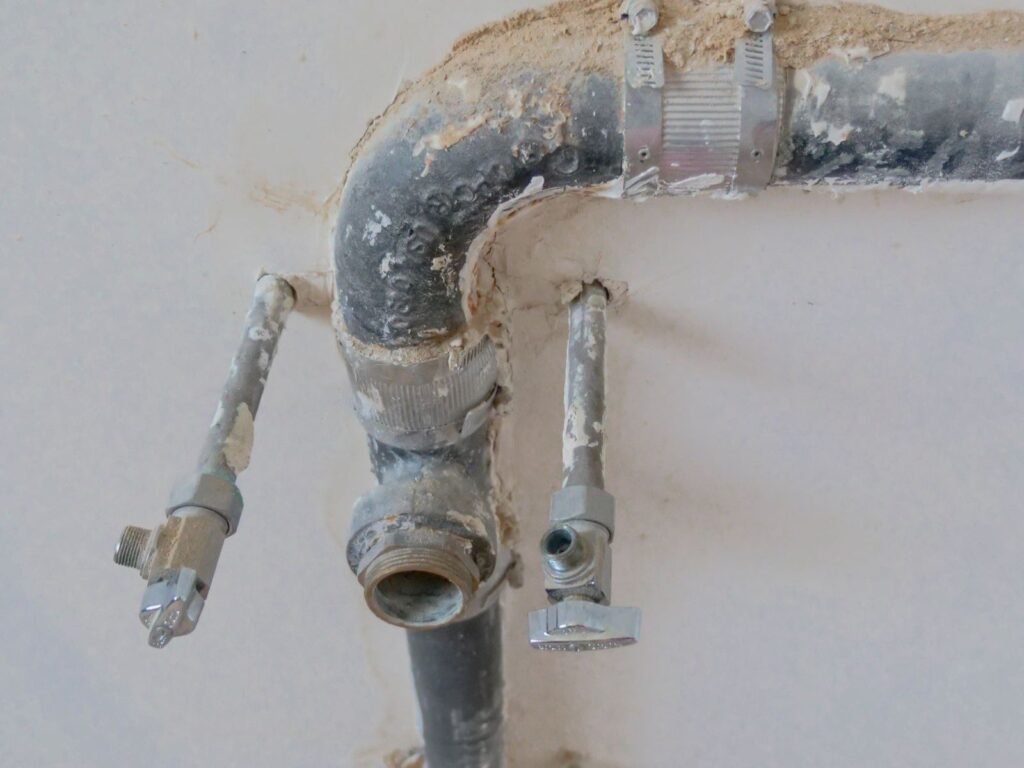
That matters most for cast-iron building sewers, galvanized steel water lines and concrete structures. Near the beach the pattern shifts: coastal sands such as Leon, Lynn Haven and Lakeland rate low for steel but high for concrete. Cast iron and galvanized steel also commonly corrode from the inside, building scale that narrows the pipe.
Salt air often gets the blame. No local data we know of measures its effect on buried pipe, so we go by the soil ratings and by what the camera shows. PVC doesn’t rust, and GSWSA’s standards call for Schedule 40 PVC on laterals beyond the property line.
Storms, floods and digging
Storms damage sewer lines mostly through water. Floodwater and saturated ground push water into cracked pipe and overload the system, which is when many backups happen, and storm surge can bury streets in sand.
Horry County’s 2026 hazard mitigation plan lists federal disaster or emergency declarations for storms from Hugo in 1989 to Debby and Helene in 2024, and says flat terrain, slow-draining soils and extensive floodplains cause prolonged flooding. During Hurricane Florence in 2018, the Waccamaw River at Conway crested at a record 21.16 feet, and raw sewage flowed from the Conway Wastewater Treatment Plant into a tributary of the river, according to the National Weather Service. Ian in 2022 left upwards of 3 feet of sand on South Waccamaw Drive in Garden City.
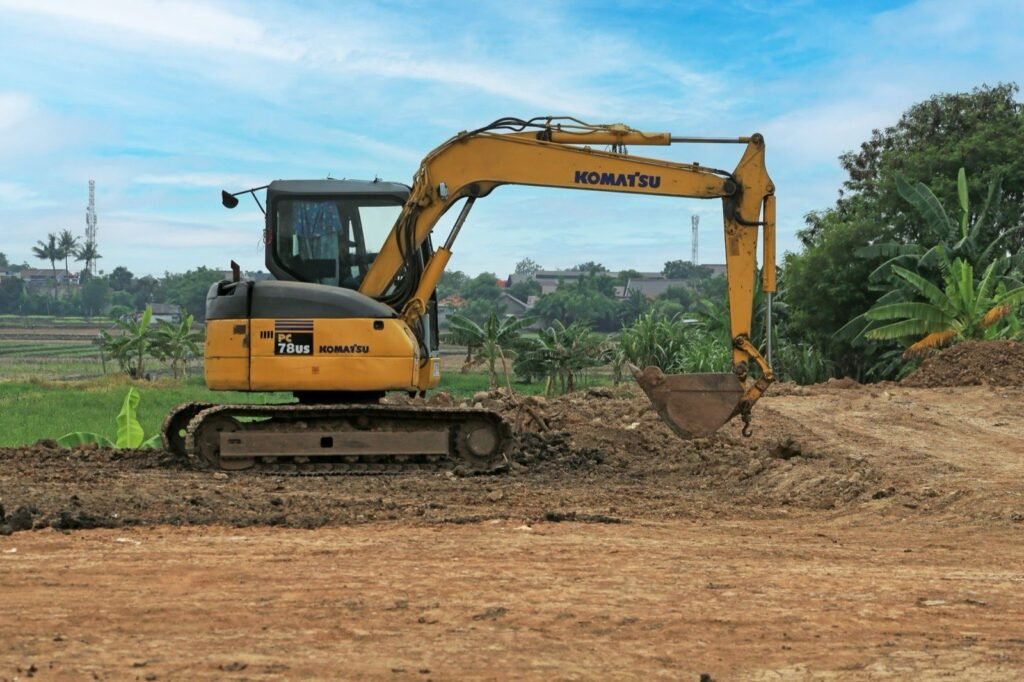
Digging causes breaks too. In October 2025, an 8-inch City of Myrtle Beach sewer force main near 76th Avenue North broke, and the city said stump-pulling at a nearby construction site caused it. Call 811 before you dig, and remember that SC811 marks public lines, not your private lateral.
After a flood, slow drains or gurgling are reasons to have the line checked. Our guide to flood sewer backups covers what to do before and during a storm.
Housing age by place
Older homes are more likely to have original clay, cast-iron or Orangeburg building sewers, and housing age varies widely along the Grand Strand. Census Bureau figures from the 2020-2024 American Community Survey show the spread:
| Place | Median year built | Built before 1980 | Built before 1960 |
|---|---|---|---|
| Atlantic Beach | 1974 | 61.5% | 13.4% |
| Briarcliffe Acres | 1977 | 58.9% | 9.6% |
| Loris | 1978 | 56.1% | 20.1% |
| Surfside Beach | 1985 | 35.4% | 10.2% |
| Conway | 2001 | 32.3% | 15.0% |
| Myrtle Beach | 1994 | 27.8% | 8.5% |
| North Myrtle Beach | 1997 | 19.3% | 5.1% |
| Forestbrook | 2004 | 16.8% | 1.3% |
| Socastee | 1995 | 13.8% | 1.2% |
| Longs (ZIP 29568) | 2005 | 12.5% | 2.1% |
| Garden City | 1990 | 11.0% | 1.0% |
| Murrells Inlet | 2002 | 7.9% | 2.7% |
| Little River | 1996 | 6.4% | 1.0% |
| Carolina Forest | 2007 | 1.1% | 0.4% |
| Horry County | 1999 | 16.0% | 4.1% |
Conway’s median home is newer than Myrtle Beach’s, yet 15.0% of its homes predate 1960, second only to Loris. Within Myrtle Beach, ZIP 29577 (central and south) has 24.6% of homes built before 1980, against 3.5% in 29579 on the Carolina Forest and Market Common side. The Atlantic Beach and Briarcliffe Acres figures come from small samples.
Pipe materials by era
Build year is a rough guide to what’s underground. Vitrified clay and cast-iron laterals were common in older homes, Orangeburg fiber pipe was commonly installed from the 1940s to the early 1970s, and ABS and PVC became standard for newer building sewers.
By that measure, Loris, Conway, Surfside Beach, Atlantic Beach, Briarcliffe Acres and central Myrtle Beach likely have the most homes old enough for clay, cast-iron or Orangeburg laterals, while Carolina Forest is almost entirely from the plastic-pipe era. Public records rarely show which pipe runs under a given house, so the camera is how you find out. Our guide to Orangeburg pipe and cast iron sewer pipe covers how each one fails.

What a camera inspection shows
A camera inspection shows the inside of your line from the cleanout outward: the pipe material, each defect and its distance from the cleanout. A locator tracks the camera head so we can mark the line’s route on the ground, which matters because SC811 doesn’t mark private laterals.
On Grand Strand lines we look for:
- Water running in at joints or cracks (groundwater infiltration)
- Sand and silt on the pipe floor, a sign of an open joint or break nearby
- Bellies, offset or separated joints, cracks and collapse
- Scale and corrosion in cast iron
- Roots at clay joints, and grease
- Flattened or blistered Orangeburg fiber pipe
You get the video and a written summary. The findings decide the fix: a spot repair or point liner for one bad section, CIPP lining when the pipe still holds its shape, or pipe bursting or open-trench sewer line replacement when it doesn’t. See sewer camera inspection for how we run one, or sewer line repair in Myrtle Beach for repair options.
Grand Strand sewer line FAQ
Does a high water table damage sewer lines?
Not by itself, but it finds every weakness. Groundwater around a cracked or open-jointed lateral seeps in, often with sand and silt, and NRCS puts the water table within about 2 feet of the surface on most of Horry County’s land at some point in the year.
Does salt air corrode sewer pipes in Myrtle Beach?
We know of no local data measuring that for buried lines. Soil is the better guide: NRCS rates most Horry County soil high risk of corrosion for concrete and uncoated steel, while PVC doesn’t corrode.
What is a belly in a sewer line?
A low spot where the pipe has settled, so water and solids collect instead of draining. Soft or poorly bedded ground causes many of them, and on camera a belly shows up as a stretch of standing water.
Can hurricanes damage underground sewer lines?
Yes, mostly through water. Flooding and saturated ground push water and sand into cracked pipe and overload the system, so if drains act up after a storm, have the line checked.
Which Grand Strand towns have the oldest sewer lines?
By housing age, Atlantic Beach, Briarcliffe Acres and Loris, where more than half of homes were built before 1980, followed by Surfside Beach and Conway. Carolina Forest is the newest, with 1.1% built before 1980.
Keep reading
Related guides
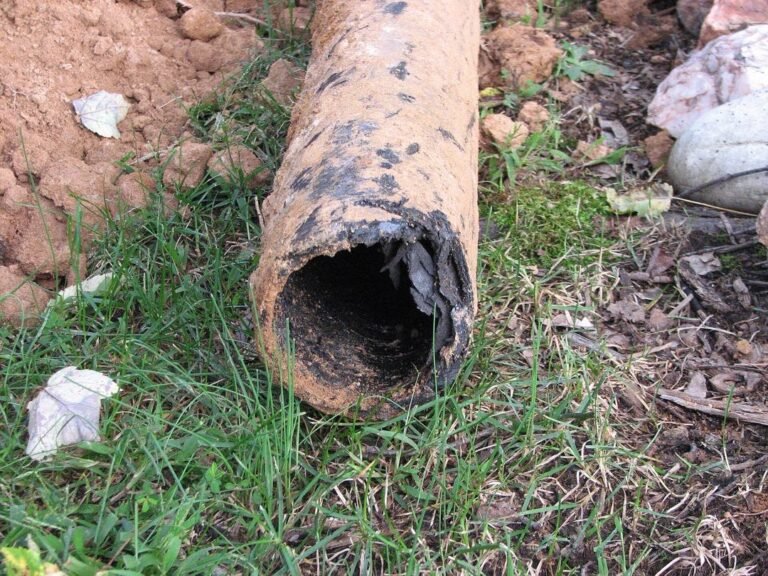
Orangeburg Pipe and Cast Iron Sewer Pipe in Myrtle Beach Homes: How They Fail and What Replaces Them
Orangeburg pipe and cast iron sewer pipe: how each fails, what lifespan sources say, and how to tell what is under a Grand Strand home.
Read guide
Sewer Scope Inspection Cost: Should You Get One Before Buying a Myrtle Beach Home?
Sewer scope inspection cost, who should get one before buying a Grand Strand home, and how to negotiate a sewer repair.
Read guide
Sewer Smell in Your House: Causes and Fixes in Myrtle Beach
Sewer smell in your house? Dry traps, wax rings, vents, cleanout caps and cracked pipes, how to check each, and when to call.
Read guidePhoto credits (Wikimedia Commons): Orangeburg Pipe and Cast Iron Sewer Pipe in Myrtle Beach Homes: How They Fail and What Replaces Them: thurdl01 (Flickr), CC BY 2.0; Sewer Smell in Your House: Causes and Fixes in Myrtle Beach: Elisa.rolle, CC BY-SA 4.0.
Sewer or water line trouble?
Call for a camera inspection and a written quote.
Call for a camera inspection and a written, itemized quote anywhere on the Grand Strand.

Sewer and water line repair for Myrtle Beach, Conway and Horry County. Camera inspection first, written and itemized quotes, licensed plumbers.
Call (843) 429-6659