
Backwater Valve Installation in Myrtle Beach: Do You Need One?
What a backwater valve does, when South Carolina's code requires one, slab vs elevated homes, installation and upkeep.
A backwater valve is a one-way valve on your sewer line: wastewater flows out to the street, and a flap closes if the public sewer pushes sewage back toward the house. South Carolina’s edition of the 2021 International Residential Code (IRC) requires one where a fixture’s flood-level rim sits below the cover of the next upstream manhole on the public sewer, and at Myrtle Beach Sewer Line Repair we compare your lowest drains with the street before recommending one.
Call (843) 429-6659 to find out whether your lowest drains sit below the street sewer and where a valve would go.
Call nowHow does a backwater valve work?
It lets flow pass in one direction only. In the normally open design described by IAPMO, the group that publishes the Uniform Plumbing Code, the flap rests out of the way so wastewater passes freely; when sewage flows back toward the house, floats lift the flap shut, and gravity drops it open again once the backflow ends.
The valve sits in the building drain or the building sewer, with an access box that has a clear cover or an opening so you can check the flap.
A valve stops sewage coming from the public sewer, not a clog in your own line. And while it is closed, water you run in the house has nowhere to go: Zurn’s instructions for its gate-type valve say toilets and faucets must not be used while the gate is closed, or the building’s own drains back up onto the floor.
If sewage is coming up right now, call your utility first (GSWSA: (843) 234-8460, or (843) 443-8200 after hours), then see our sewer backup page.
Types of backwater valves

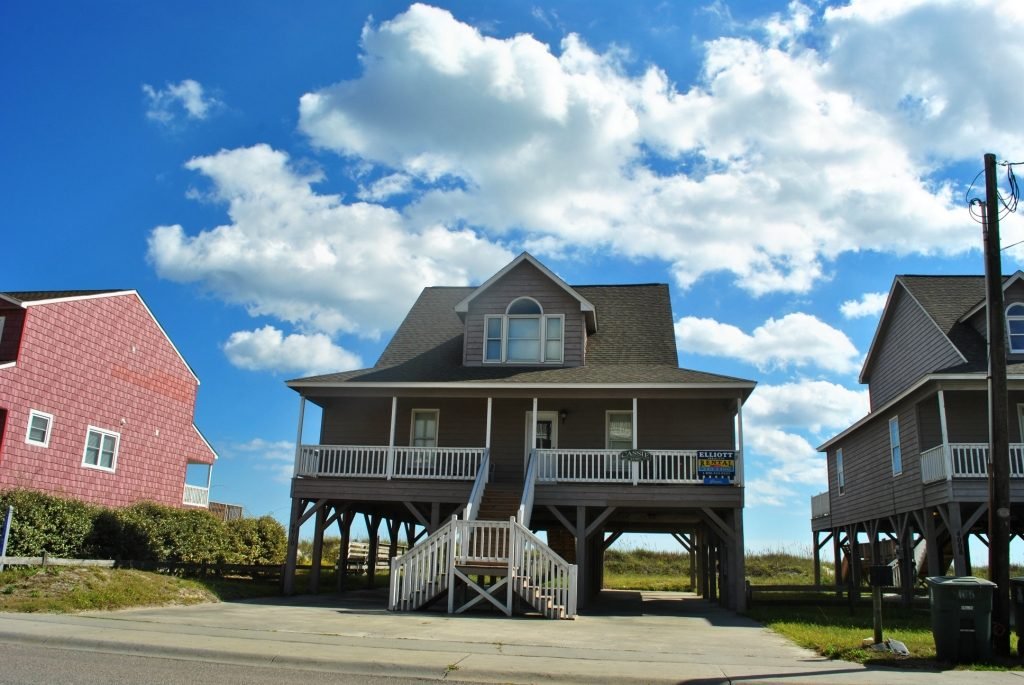
IAPMO’s list includes horizontal valves, combination valves and manual gate valves, terminal valves, floor drains with a built-in valve, and vertical or 90-degree valves.
| Type | How it works | Good to know |
|---|---|---|
| Normally open, float-operated | Flap rests open; floats close it when sewage flows back | Reopens on its own; the code’s required type for fixtures above the manhole cover, except in existing buildings |
| Normally closed flapper | Flap hangs closed and swings open as wastewater leaves | Zurn’s 3- and 4-inch models use a PVC flap with an O-ring seat; in new work, not for fixtures above the manhole cover |
| Manual gate | A gate you close by hand before a storm | Protects only if someone closes it in time; no fixture can drain while it is closed |
| Combination | Automatic flap plus a manual gate | Zurn’s Z1088 pairs the two: the flap handles temporary overloads, the gate is closed during flooding |
| Floor drain with built-in valve | A valve inside one floor drain | Protects a single low drain, such as a laundry or garage floor drain |
Zurn designs its flapper valve for excessive rainfall, stoppages, tide water and inadequate drainage.
When does the code require a backwater valve?
When a fixture’s flood-level rim sits below the next upstream manhole cover. Section P3008.1 of the South Carolina edition of the 2021 IRC says those fixtures “shall be protected by a backwater valve” installed in the building drain or the branch serving them.
- Flood-level rim: the IRC defines it as the edge of a fixture from which water overflows, such as the top of a tub or the rim of a shower. For a floor drain, it is the floor itself.
- Next upstream manhole: the first manhole up the main from where your line connects. When a main backs up, sewage rises in the manholes until it spills out of a cover, and any fixture lower than that cover can overflow first.
The rest of section P3008 adds three rules:
- Normally open where fixtures sit higher. If fixtures on a floor above that manhole cover drain through a backwater valve, it must be the normally open type, although normally closed valves remain allowed in existing buildings.
- Listed valves. The valve must meet ASME A112.14.1, CSA B181.1 or CSA B181.2, the standards valves are tested and listed to.
- Access. It must be installed so the working parts can be reached.
The rule governs plumbing being installed. In an existing home, adding a valve is generally your choice, and the local building official decides what a permitted sewer job must include.
Do Grand Strand homes on slabs or pilings need one?
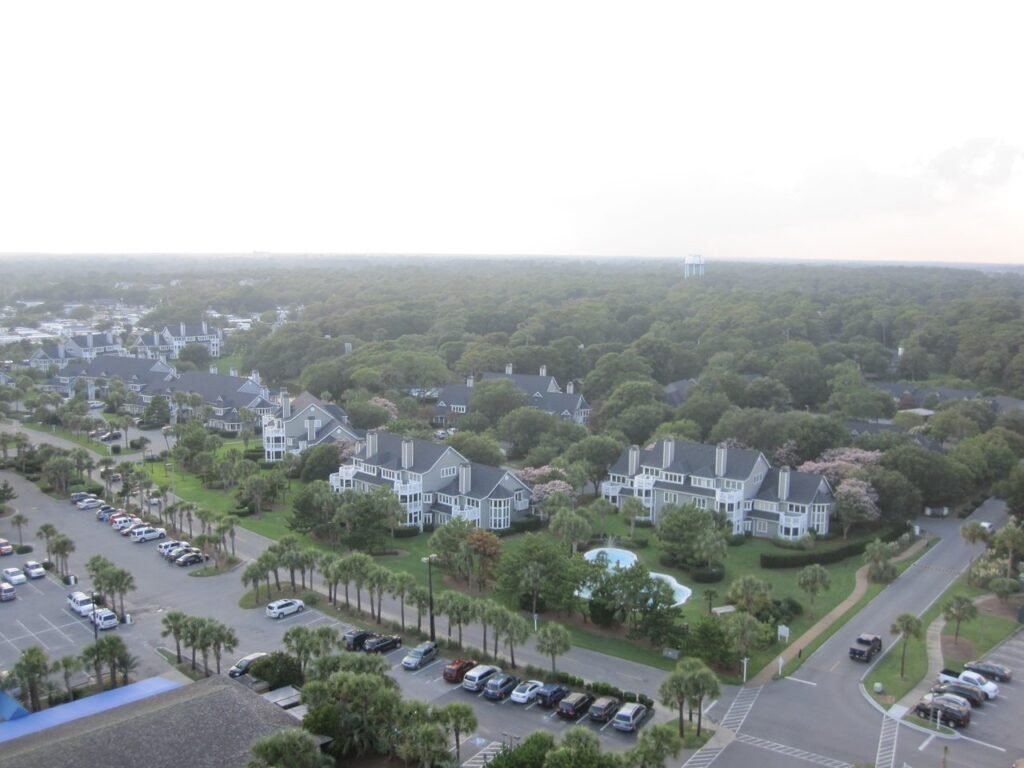
It depends on elevation, not foundation type. A slab home whose lowest shower, tub or floor drain sits below the next upstream manhole cover meets the code’s test, while a home on pilings usually has its living-level fixtures well above the street, so the question becomes whether anything at ground level drains to the sewer.
- Slab homes: compare the finished floor, and any sunken shower or laundry floor drain, with the cover of the next manhole upstream. Lots that sit below the street are the first to check.
- Elevated homes: fixtures upstairs rarely need protection. Check ground-level fixtures instead, such as a laundry sink, bathroom or outdoor shower under the house that drains to the sewer.
- Low and flood-prone areas: the Town of Surfside Beach’s flood advice is to install check valves so floodwater cannot back up into your drains. Near the Waccamaw, river flooding adds to the risk: Hurricane Florence pushed the river at Conway to a record 21.16 feet.
A valve does not keep floodwater out of the house. Our guide to flood sewer backups covers what to do before, during and after a storm.
Backwater valve installation: what the job involves
Installing one means cutting into the building sewer or building drain, setting the valve at the right grade under an access box, and testing it. Removing and replacing a section of concealed drain pipe is new work under South Carolina’s 2021 IRC, so it needs a permit and an inspection.
- Camera first. A sewer camera inspection finds the line, measures its depth and shows whether the pipe is sound enough to cut into.
- Locates. We request SC811 locates for public utility lines and trace your private line with the camera’s locator, because SC811 does not mark private lines.
- Choose the spot. Usually on the building sewer outside, or on the building drain inside, downstream of the fixtures that need protection and where the working parts stay reachable.
- Cut in and test. We dig, cut the pipe, set the valve in the direction of flow as the maker specifies, test for leaks and backfill.
- Permit and inspection. We pull the permit, schedule the inspection and restore the yard or slab.
Old pipe can change the plan. A valve should not be set in pipe that is crushing or crumbling, so a line of Orangeburg pipe or corroded cast iron may need a section replaced first. If the camera finds roots, cracks or a belly, our page on sewer line repair in Myrtle Beach explains the repair options.
This Old House’s June 2026 flood control guide puts a backwater valve in new construction at $135 to $1,000 and says a retrofit into existing plumbing costs more, without giving a figure. Your price depends on depth, whether the valve goes outside or under a slab, concrete cutting and restoration, the valve type and the permit. We put it in a written, itemized quote after the camera inspection, and our sewer line replacement cost guide explains what drives the price of underground sewer work.
How do you maintain a backwater valve?
Check it periodically and before every hurricane season, which GSWSA dates from June 1. Zurn says its valves will only restrict backflow when they are free of debris and in good working condition, and that sludge and debris can obstruct them.
- Look inside. Through the clear cover or access cap, make sure the flap moves freely and seats cleanly.
- Clear debris. Grease, wipes and sludge can hold a flap open or stop it from closing.
- Service the gate. On a manual or combination valve, have the gate cleaned and greased; Zurn’s maintenance steps, meant for a qualified plumber, include greasing the gate face, stem and O-ring.
- Check after any backup. A valve that closed during a storm may have caught debris.
Backwater valve FAQ
Do I need a backwater valve in Myrtle Beach?
The code requires one when a fixture’s flood-level rim sits below the next upstream manhole cover on the public sewer. For other homes it is optional protection, most useful for low slab homes and ground-level fixtures.
What is the difference between a backwater valve and a backflow preventer?
A backwater valve sits on the sewer line and keeps sewage from flowing back into the house. A backflow preventer sits on the water supply and keeps used or contaminated water from flowing back into the drinking water system.
Can I use water while the backwater valve is closed?
Avoid it. While the valve is closed, water you run in the house cannot leave and can back up inside; Zurn’s instructions say toilets and faucets must not be used while its gate valve is closed.
Do I need a permit to install a backwater valve?
Generally, yes. Installing one means removing and replacing a section of concealed drain pipe, which South Carolina’s 2021 residential code treats as new work that needs a permit and inspection.
How often should a backwater valve be checked?
Periodically, and always before hurricane season starts on June 1 and after any backup. Make sure the flap moves freely and the valve is clear of grease and debris.
Does a backwater valve stop flooding?
No. It stops sewage from coming back up through your drains, but it does not keep floodwater from entering through doors, walls or the slab.
Keep reading
Related guides

Grinder Pump Alarm Going Off? What to Do in Myrtle Beach and Horry County
Grinder pump alarm going off? What it means, the first steps, GSWSA’s power outage advice and who to call in Myrtle Beach and Horry County.
Read guide
Flood Sewer Backup in Myrtle Beach: Why Storms Push Sewage Into Homes
Flood sewer backup in Myrtle Beach: why storms push sewage into homes, what to do before, during and after, and safe cleanup.
Read guide
Sewer Cleanout Cap: How to Find Your Sewer Cleanout in Myrtle Beach
Sewer cleanout cap: where to find it on a Grand Strand home, what it looks like, how to open it safely and when to add one.
Read guidePhoto credits (Wikimedia Commons): Grinder Pump Alarm Going Off? What to Do in Myrtle Beach and Horry County: Jung Pumpen GmbH, CC BY-SA 4.0; Flood Sewer Backup in Myrtle Beach: Why Storms Push Sewage Into Homes: Senior Airman Megan Floyd/U.S National Guard, public domain.
Sewer or water line trouble?
Call for a camera inspection and a written quote.
Call to book a camera inspection and a written quote for backwater valve installation.

Sewer and water line repair for Myrtle Beach, Conway and Horry County. Camera inspection first, written and itemized quotes, licensed plumbers.
Call (843) 429-6659